Your closet probably isn’t short on dresses. It’s short on the one that survives a ninety-minute ceremony on a lawn in July heat, a cocktail hour under string lights, and a group photo next to fifty other guests who read the invitation the same loose way you did.
Picking dresses to wear to a summer wedding as a guest is a smaller decision than it feels like in the moment, but it collects a lot of small anxieties at once: the dress code on the card is vague, the forecast keeps changing, and there’s a real chance you’ll spend more hours deciding than the wedding itself will spend noticing your outfit. That’s not a reason to overthink it. It’s a reason to have a system.
The system below starts with the dress code, moves through color and fabric, and ends with a question almost nobody asks early enough. Does the dress need to earn its price back through rewear, or is it a one-time cost you should stop treating like an investment?
The short version: match the exact dress code printed on the invitation rather than a looser interpretation of it, skip white, ivory, and pale champagne, choose a fabric built for heat, such as linen blend, crepe, or chiffon, over stiff cotton or synthetic satin, pick a length suited to the venue (maxi for garden or beach ceremonies, midi for most cocktail-attire weddings, mini only when the code reads casual), and decide upfront whether the dress needs to earn its cost back through rewear or whether a rental makes more sense for a single event.
What “Cocktail Attire” and the Other Dress Code Phrases Actually Mean
Wedding invitations rarely spell out what they want in plain terms, and the handful of phrases guests see most often carry more specific meaning than they usually get credit for. Black-tie and formal invitations call for a floor-length gown, though a dressy midi that hits below the knee is now widely accepted as a substitute. Semi-formal and cocktail attire, the phrase guests run into most, means a knee-length or midi dress, dressy separates, or a tailored jumpsuit. Casual, garden, and beach weddings give the most room. Flowy dresses and sundresses work, though most etiquette guides still rule out jeans even when the setting is relaxed.
| Dress Code | What It’s Signaling | Guest Dress Length | Fabric Weight to Aim For |
|---|---|---|---|
| Black-tie or formal | A dressed-up, gala-level evening | Floor-length, or a dressy midi below the knee | Silk crepe, satin, or a heavier chiffon |
| Semi-formal or cocktail | Dressy but not over the top | Knee-length or midi | Crepe, linen blend, or a mid-weight chiffon |
| Casual, garden, or beach | Relaxed, often outdoors | Maxi or midi, breezy over structured | Linen blend, cotton poplin, or light chiffon |
The Color Question, Mostly Settled
One rule survives every dress code and every venue: skip white, ivory, cream, and pale champagne unless the couple has explicitly asked guests to wear white. This isn’t about being old-fashioned. Wedding etiquette guides from bridal retailers and eveningwear brands agree on this almost without exception, and the risk isn’t really about intent, it’s about photos where you read as bridal from across the room even if that was never the plan. Black, once treated as a hard no, is now broadly accepted for wedding guests across most dress codes.
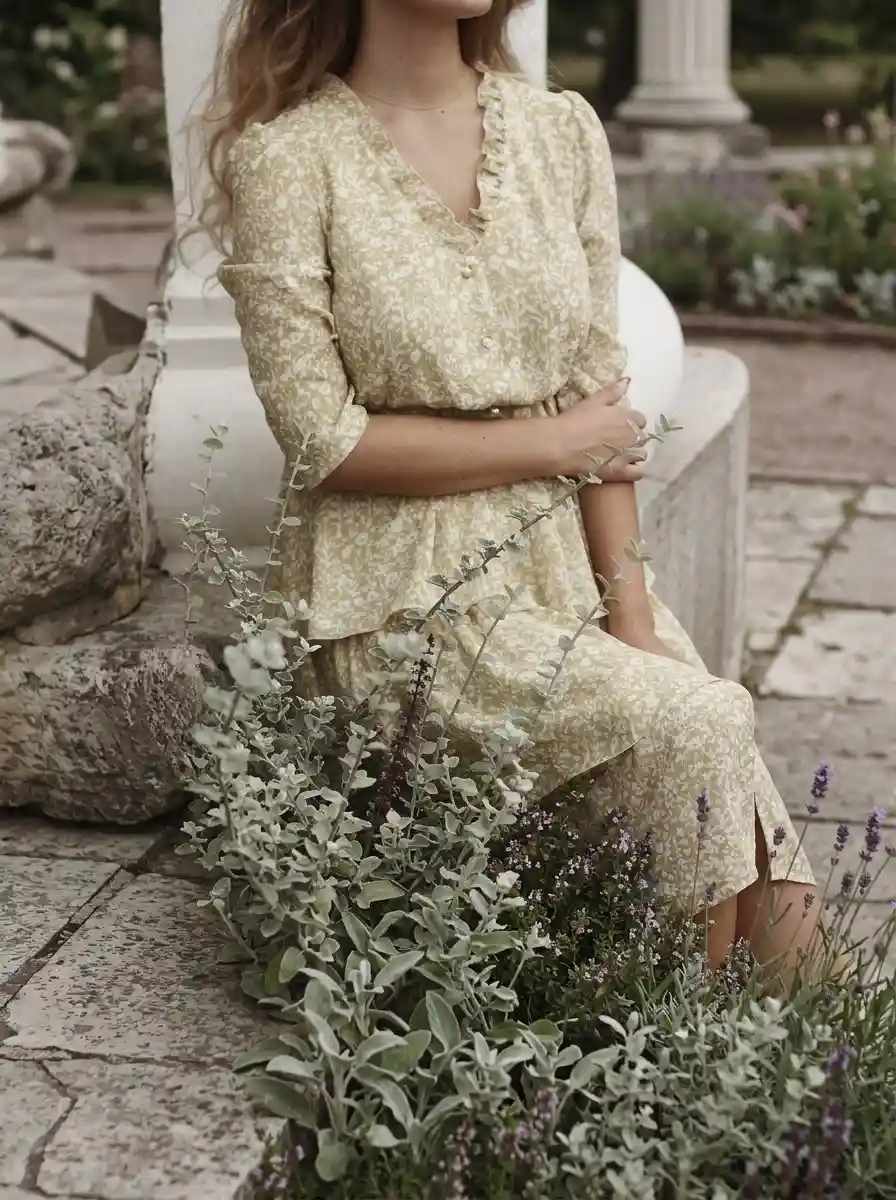
Beyond that, the range is wide. Jewel tones like burgundy, emerald, cobalt, and navy photograph well and read as occasion-appropriate without tipping into overdressed. Pastels and warm neutrals tend to suit daytime and garden settings better than they suit an evening ballroom. None of this is a strict rule so much as a starting point. The venue and the time of day should carry more weight in the decision than whatever color is trending that season.
At a Glance: Colors That Work vs. Colors to Skip
- Work almost anywhere: jewel tones (emerald, cobalt, burgundy), black, dusty rose, soft florals
- Work best in daytime or garden settings: pastels, warm neutrals, botanical prints
- Skip unless the couple says otherwise: white, ivory, cream, pale champagne, or any print where white is the dominant color
Fabric Does More Work Than Cut in July Heat
Cut gets most of the attention in wedding guest shopping, but fabric is what determines whether you’re comfortable by the time the ceremony ends. Textile researchers at Georgia Tech point to linen’s fiber structure, long, hollow, and slightly irregular, as the reason it moves moisture away from the body and releases heat faster than cotton or polyester, according to fiber and textile expert Jayaraman in a 2024 interview with the university’s news office. That’s part of why a linen blend dress feels noticeably cooler by hour two of an outdoor reception than a similar-looking dress in stiff cotton poplin, which absorbs moisture rather than moving it along.

Chiffon earns its reputation for a different reason. It’s sheer and lightweight enough to stay breathable even in a long-sleeved silhouette, which matters if the dress code is formal and bare shoulders aren’t an option. Luxury bridal stylist Maisie-Kate Keane recommends it for exactly this reason, describing a ruffled floral chiffon dress as an option that’s “light, feminine, and effortlessly romantic” for an outdoor summer or destination wedding.
Crepe sits between the two. It holds structure and drapes well for a more polished cocktail look, but it runs heavier than linen blend or chiffon, so it’s a better match for an air-conditioned venue or an evening event than a midday lawn ceremony. Synthetic satin and heavy polyester are the two fabrics worth avoiding outright in summer heat; they trap warmth against the body instead of releasing it.
Matching Length and Silhouette to the Venue
The venue answers most of the length question before the dress code does. A garden or beach ceremony rewards a maxi or midi that moves easily and doesn’t require heels sharp enough to sink into grass or sand; several stylists interviewed for CNN Underscored’s wedding guest roundup point to flat sandals or wedges as the safer footwear call for exactly this reason. A hotel ballroom or evening reception can handle more structure, and a midi or floor-length silhouette tends to read as more deliberate in that setting.
| Venue | Best Length | Practical Note |
|---|---|---|
| Garden or backyard | Maxi or midi | Wedges beat stilettos on grass |
| Beach | Maxi, breezy over structured | Flat sandals only, skip heels entirely |
| Ballroom or hotel, evening | Midi or floor-length | Structured fabric like crepe holds up better indoors |
| Daytime, courthouse, or brunch reception | Midi or knee-length | Lean lighter and less formal than an evening code implies |
If you’re shopping with a specific body shape in mind rather than starting from the venue, it’s worth working backward from proportion first. our guide to finding your body shape and the breakdown of necklines for every body shape both cover which silhouettes tend to balance different frames, and that groundwork carries over directly into wedding guest shopping.
What These Dresses Actually Cost, and Where Buying Stops Making Sense
The Knot’s most recent Guest Study, which surveyed 1,000 US adults, puts the average total cost of attending a wedding at 610 dollars once travel, lodging, gift, and attire are added up, with attire alone commonly landing around 150 dollars per guest across similar industry surveys. Retail options at that price point are real and specific: The Knot’s own summer roundup lists a Birdy Grey slip dress at 99 dollars, an ASTR The Label plisse midi at 164 dollars, and a Reformation silk dress at 398 dollars for guests who want to spend more on one piece they’ll keep wearing.
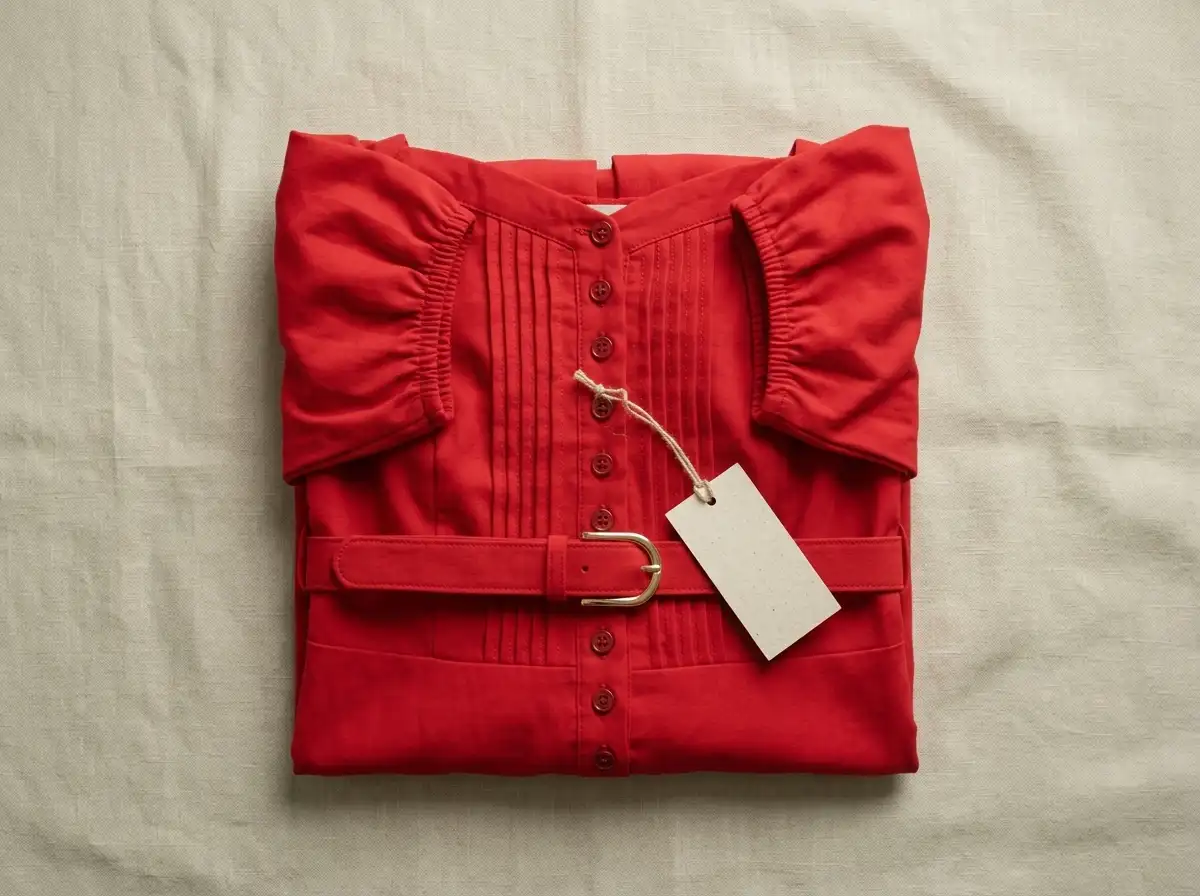
Renting is the option worth taking seriously before defaulting to a purchase, and the case for it is stronger than it used to be. A 2026 ThredUp survey found that 62 percent of wedding guests now spend three or more hours searching for a single outfit, and that most guests hang onto a “one-wear” dress afterward anyway, with 81 percent of Gen Z guests keeping the piece in their closet compared to 72 percent of Millennials and 59 percent of Gen X. Rent the Runway’s subscription model starts around 89 dollars a month, and one-time event rentals are available with a flat replacement fee (12.95 dollars) if a size doesn’t work on arrival.
Renting isn’t for everyone, and it’s worth saying plainly where it stops making sense. If you already know you’re attending three or four weddings this year, or if you tend to rewear special-occasion pieces for date nights and holiday parties afterward, the cost per wear on a 100 to 200 dollar purchase beats a rental within two additional uses. Renting earns its cost back fastest for the opposite guest, someone invited to a single black-tie wedding they don’t expect to repeat, or someone whose size or shape has changed recently and doesn’t want to guess at a purchase sight unseen.
Finding Your Approach
The Fastest Safe Choice
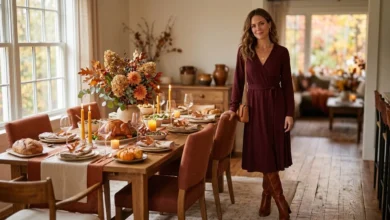
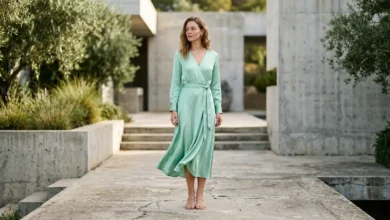
Default to a crepe or linen blend midi wrap dress in a jewel tone. It reads as dressed up without needing accessories to finish the look, it photographs well across almost every venue type, and it skips the guesswork of matching a print to a color code you’re not fully sure about.
Buying for One Wedding?
If your size or proportions have shifted since the last wedding you attended, don’t shop from memory. A rental removes the pressure of guessing at a purchase, and it’s a low-stakes way to learn what actually fits before you commit money to a piece you’ll own long-term. This is also a good moment to revisit which hot-weather fabrics actually work with your current wardrobe rather than the one you used to have.
Already Have a Signature Style?
Treat the wedding guest dress as one more entry in a wardrobe you’ve already built intentionally, not a separate category. A silk crepe piece in a jewel tone earns its place in a quiet luxury closet the same way a well-cut linen blend dress earns its place in a more relaxed one. The goal is a dress that looks like it belongs next to the rest of what you own, not a costume for one afternoon.
FAQs
Can you wear black to a summer wedding as a guest?
Yes. What was once treated as a hard no has shifted, and black is now broadly accepted across most wedding dress codes, including summer ones. It reads as more formal than pastel colors, so it tends to suit an evening reception better than a midday garden ceremony.
Is a print with white in it off-limits?
Not automatically, but it’s worth a second look. If the overall impression of the dress reads as bridal from across a room, even with a print involved, it’s safer to pick something else. A small white detail on a colored base is different from a mostly-white floral print.
What’s appropriate for a beach wedding as a guest?
A breathable maxi in linen blend or chiffon, paired with flat sandals rather than heels. Sand and heels don’t mix, and most beach ceremonies run more casual than the word wedding implies, so an overly structured dress can end up feeling out of place.
How formal is cocktail attire, really, for a wedding?
Dressier than business casual, but well short of black-tie. A knee-length or midi dress, dressy separates, or a tailored jumpsuit all fit the brief. It’s the most common wedding dress code and also the most commonly overthought.
Should I just ask the couple if I’m unsure about the dress code?
Yes, and it’s a better move than guessing. A short text asking whether the wedding leans more formal or more casual takes thirty seconds and removes almost all the uncertainty that drives people to buy a backup dress they didn’t need.
Closing
There isn’t one correct dress for every summer wedding, but there is a reliable order of operations for finding dresses to wear to a summer wedding as a guest without losing an evening to it: read the dress code literally, rule out white and its near-relatives, let fabric decide your comfort level before color does, and match length to the venue rather than to whatever’s trending. The last step, deciding whether to buy or rent, is the one guests skip most often, and it’s usually the one that would have saved them the most time and money if they’d answered it first.