The linen shirt that was supposed to save you is clinging to your back on the platform at 8:14 in the morning, and the tag says 100% linen, the fiber every summer guide swears by. The fiber is not the problem. The weave, the weight, and the cut are the problem, and none of those three variables appear on the tag. Two shirts can carry the identical fiber label and behave like opposite garments on the same humid block.
That gap between a fiber’s reputation and a garment’s construction is where summer wardrobes fail. Reading the composition tag is step one. Reading the construction is the step that actually keeps you dry.
Quick answer: the best fabrics for hot weather are open-weave flax linen, low-weight cotton (voile at 60 to 90, lawn at 55 to 80, poplin at 90 to 130 grams per square meter), slack-tension seersucker, regenerated cellulose fibers like lyocell and modal, and tropical-weight open-weave wool. Weight and weave openness predict cooling better than the fiber name, so check the weight class and hold the cloth to the light before you pay.
What Actually Makes a Fabric Cool in Heat
Your body cools itself through evaporation, and every garment is either an exhaust system or a greenhouse. When sweat cannot escape, humidity pools in the microclimate between skin and cloth, and your core temperature climbs even inside a breathable natural fiber. Airflow is the exhaust. Moisture vapor transfer is the engine. A fabric earns its summer rating by moving both.
Thin is not the same as breathable. A tissue-thin polyester shell suffocates. A hefty open-weave hopsack breathes. Construction beats thickness.
Three numbers predict almost everything.
- Grams per square meter, or GSM. The physical weight and density of the cloth. For shirt-weight summer wovens, the cool zone runs roughly 55 to 160.
- Moisture regain. The share of its own dry weight a fiber absorbs from your skin. Flax sits at 12.4 percent, cotton at 8.5, viscose at 11, and polyester at a measly 0.4, which is exactly why plastic feels clammy.
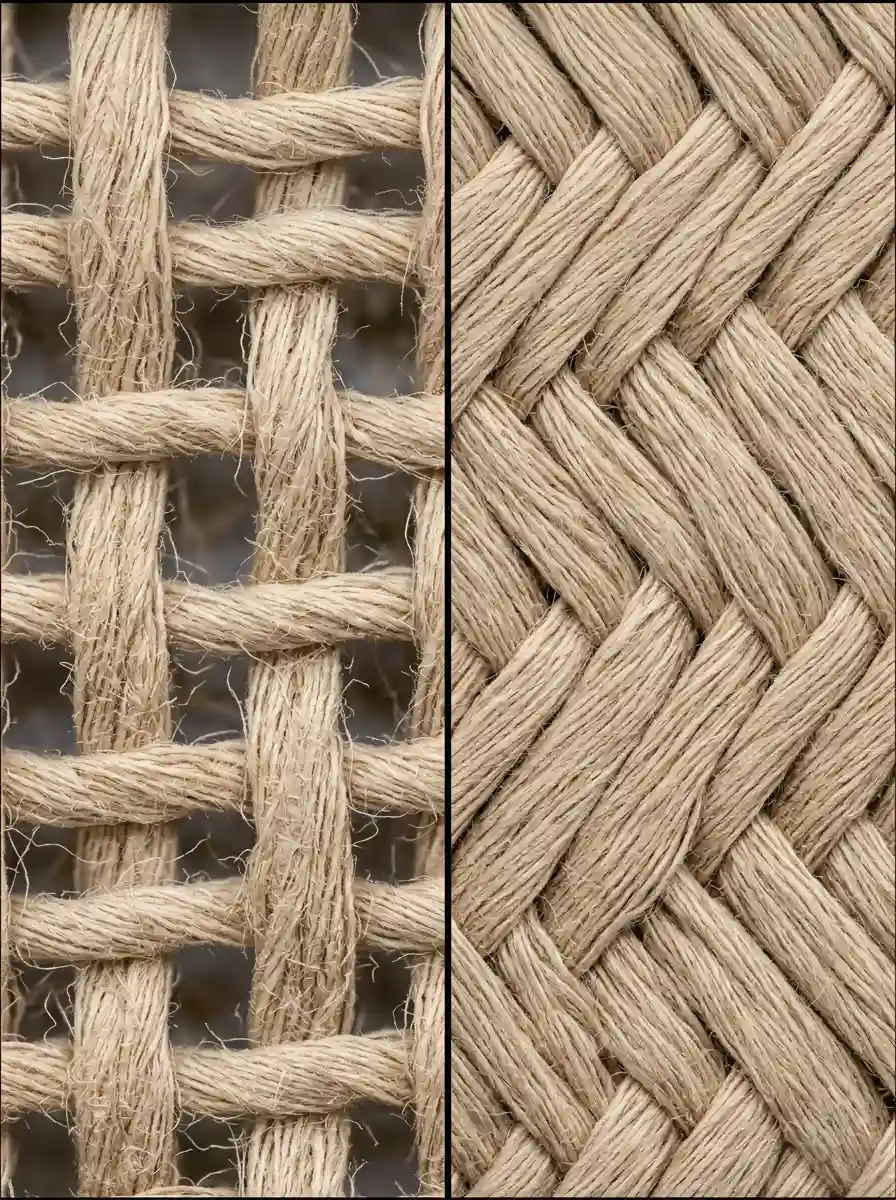
- Weave openness. The gaps between yarns. Plain weaves and puckered structures pass air. Twills and dense satins hold it against you.
United States labeling law, the FTC’s Textile Fiber Rule under 16 CFR Part 303, requires the fiber percentages on the tag but not the weight or the weave. The law hands you half the equation and you supply the rest, which is precisely the skill our guide on how to read clothing labels trains in four steps.
1. Linen and the Open Flax Weave
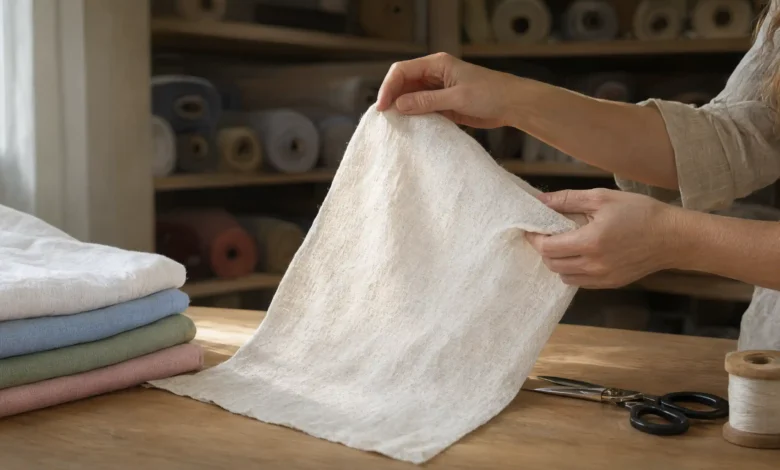
Linen is spun from the long, hollow stalks of the flax plant, and those thick, irregular fibers refuse to pack tightly. The woven cloth carries microscopic gaps that work like built-in ventilation, and flax pulls moisture toward a 12.4 percent regain before it ever feels damp against your skin. It also hang-dries in roughly a third of the time cotton needs, a gap you can prove at home by laundering one cotton shirt and one linen shirt and timing them side by side.
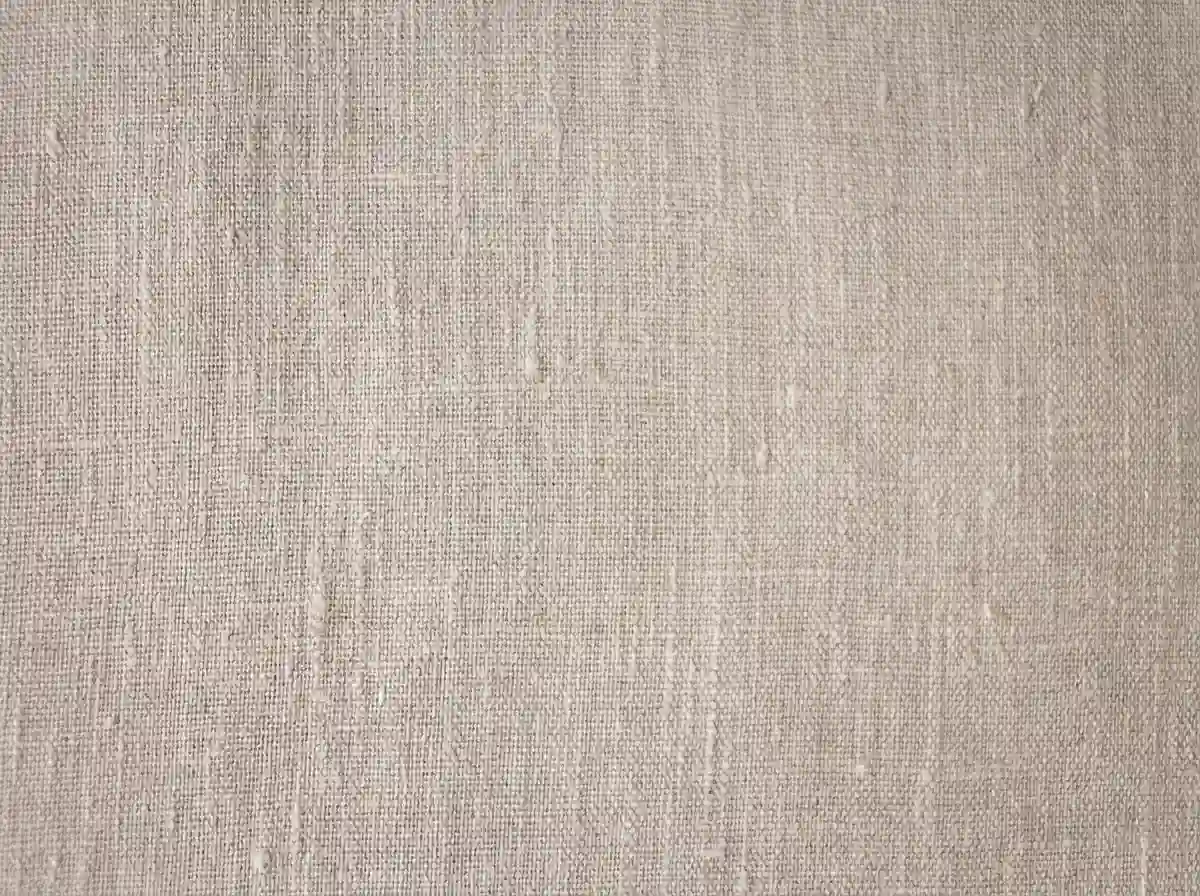
Here is the contrarian part. The fiber name alone guarantees nothing, because linen can be woven as densely or as loosely as the mill wants, a point the menswear desk at Put This On makes bluntly in its heatwave notes. A tight 200-plus GSM linen twill will cook you faster than a 120 GSM cotton poplin. Ask for the weight, look for the open plain weave, and treat heavy structured linen as an evening fabric.
For office days, the blend beats the purist buy. A linen-cotton or linen-viscose cloth keeps most of the airflow and cuts the sharp creasing that wrecks a polished line by lunch. Save the unblended flax for weekends and humid errands, where the creases read as character instead of neglect.
2. Cotton, but Only at the Right Weight
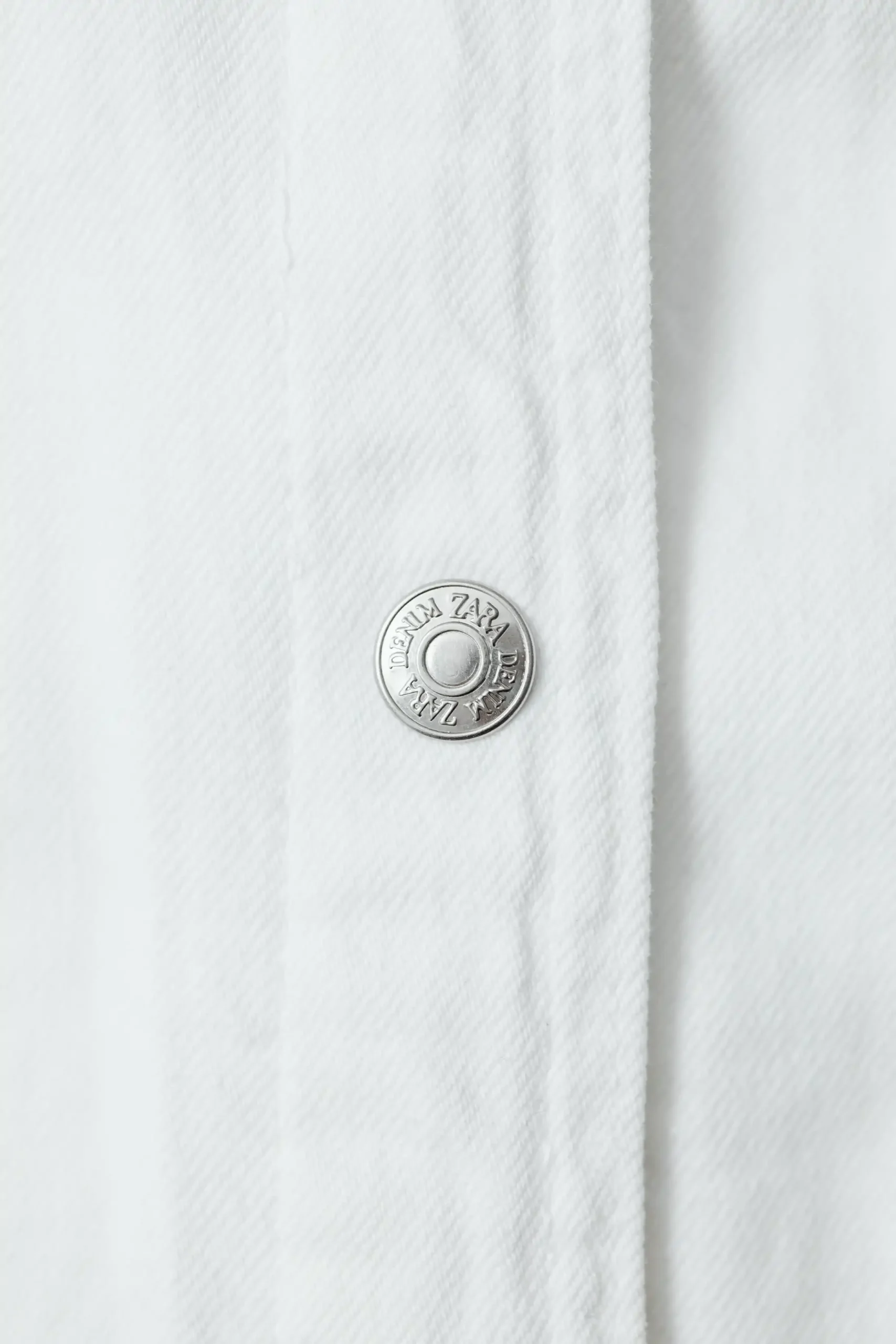
Cotton traps heat whenever it is built densely, as any denim jacket in July proves. The metric that separates the cool cottons from the clammy ones is GSM, and the summer protocol runs like this.
- Cotton voile, 60 to 90 GSM. Semi-sheer and feather-light, made for airy blouses and delicate layering. Fragile at the seams, so handle it gently.
- Cotton lawn, 55 to 80 GSM. Crisper than voile, spun from high-twist yarns that hold a smooth finish just off the skin.
- Cotton poplin, 90 to 130 GSM. A fine-ribbed plain weave with enough structure to anchor a working wardrobe, which is why it holds a permanent slot in our capsule wardrobe blueprint.
Jamie Lewis of JBL Styles puts the balance plainly in Yahoo Shopping: “A cotton tee that isn’t too thin or flimsy will hold its shape better. This isn’t a time for anything synthetic that holds in the heat.”
Consider the teacher moving from a 75-degree classroom to a humid playground recess and back again six times a day. She does best in a 110 to 140 GSM poplin or a 130 to 160 GSM linen blend, dense enough to keep its lines through the afternoon, open enough to dry between duties. That spec, not the word cotton, is what does the work.
The light test settles any remaining doubt. Hold the cloth to a bulb or a window. If you can read the silhouette of your hand through it, air moves through it.
3. Seersucker and Slack-Tension Geometry
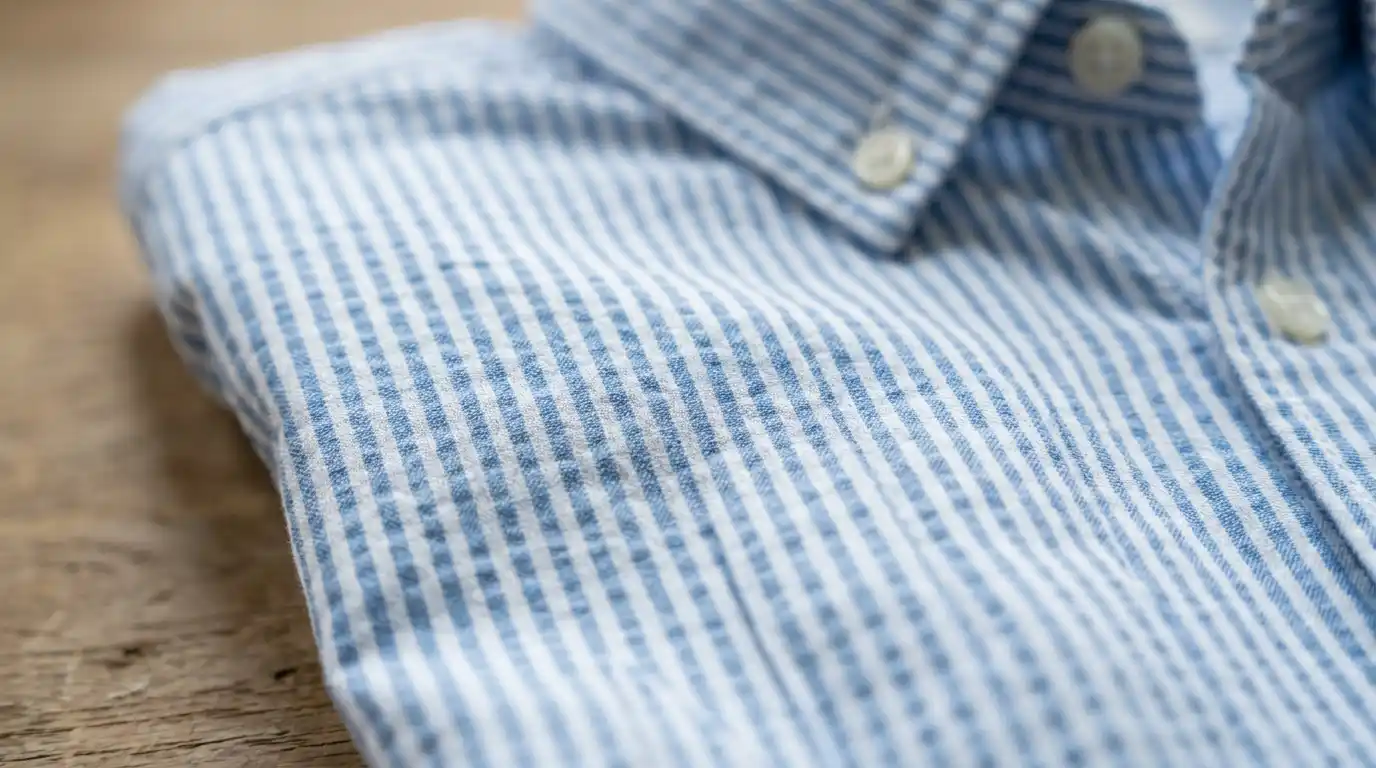
Flat fabric maximizes skin contact, and skin contact is where the sticking happens. Seersucker is woven with alternating groups of warp threads held tight and left slack, so the cloth comes off the loom permanently puckered. Those ridges prop the garment away from your body and hold a moving layer of air underneath. Sweat-damp seersucker never clings the way a flat poplin does, and it shrugs off wrinkles without ever meeting an iron, which makes it a quiet hero of summer travel and business-casual Fridays.
4. Lyocell and Modal, the Fluid Semi-Synthetics
Regenerated cellulose fibers start as wood pulp and end as yarns with a liquid drape no plant fiber matches. Lyocell and modal post moisture regain near 11 percent, absorb dampness fast, release it fast, and resist odor far better than petroleum synthetics. They are the pick when the day calls for movement and softness rather than architecture.
“For those uncomfortably hot days, go for pieces that move and flow; stay away from anything that clings. Air needs to move around your body to keep you cool.” Carrie Harkin, personal stylist and color expert, via Yahoo Shopping
Choose matte crepe versions when you can. The twisted, pebbled yarns skim the body instead of sticking to it, and the clean, hardware-free surface slots neatly into a quiet-luxury wardrobe. One caveat: rayon-family fibers weaken when soaked, so never wring them hard or machine-dry them hot.
5. Tropical Wool, the Office Fabric That Out-Performs Cotton
Wool in a heat wave sounds like a prank until you meet the open weave. Tropical-weight wool is spun from high-twist yarns and woven so loosely that body heat escapes and breezes pass straight through, while the springy fiber resists creases from breakfast to the last meeting. Held to the light, real tropical wool pours light through like a fine mesh.
“It sounds crazy to wear wool trousers on a hot day, but tropical wool is a special class of lightweight fabrics made with an especially open weave. This allows body heat to escape and wind to blow through.” Put This On
For tailored summer workwear, ask for half-lined or unlined constructions in hopsack or open linen blends, and treat a polyester lining as a dealbreaker. An unlined hopsack blazer over a crisp poplin shirt is the most efficient smart-casual uniform for the stretch between late summer and early autumn.
Why Polyester Fails in Heat, and When to Keep It
Polyester, nylon, and acrylic are flexible plastics with a moisture regain near zero. Sweat has nowhere to go, so it sits between you and the shirt while your core temperature spikes. The odor problem is measurable, not anecdotal: research published in the National Library of Medicine found that odor-causing bacteria grow better on polyester than on cotton, which is why a synthetic shirt smells worse after the identical workout.
The activewear myth deserves a direct answer. Performance polyester is engineered for high-motion training, where heavy sweat is pushed out by chemical finishes while you move. Stationary life, a hot commute, a warm office, turns untreated lifestyle polyester into a plastic wrapper. Save it for the gym and the rain shell.
Fabric Weight and Moisture Reference Table
| Fabric | Typical GSM | Moisture Regain | Best Use | Main Risk |
|---|---|---|---|---|
| Open-weave linen | 140 to 190 | 12.4% | Humid heat, weekends, travel | Deep structural creasing |
| Cotton voile | 60 to 90 | 8.5% | Delicate layering, airy blouses | Fragile seams, semi-sheer |
| Cotton lawn | 55 to 80 | 8.5% | Crisp warm-weather shirting | Wrinkles without pressing |
| Cotton poplin | 90 to 130 | 8.5% | Office shirts, structured staples | Dense versions run warm |
| Seersucker | 110 to 140 | 8.5% | Business casual, no-iron travel | Pronounced textured look |
| Lyocell and modal | 120 to 160 | About 11% | Fluid dresses, relaxed shirts | Weak when wet, little crispness |
| Tropical wool hopsack | 220 to 280 | 16% | Tailored office wear, blazers | Needs open or no lining |
| Polyester (comparison) | Any | 0.4% | Gym and rain shells only | Traps sweat, retains odor |
The 10-Second In-Store Test
- Light. Hold the cloth to a window. A visible hand silhouette means air moves.
- Scrunch. Crush a corner for five seconds. Sharp permanent creases mean a stiff finish, while springy recovery points to high-twist yarns.
- Weight. Rub the fabric between thumb and finger. Papery density means twill or satin, while a dry, airy hand means an open plain weave.
- Tag. Confirm the fiber percentages the FTC requires, then hunt the GSM on the hangtag or product page. No weight listed anywhere is a tell.
- Drape. Let the fabric fall over your knuckles. Cool fabrics slide and settle. Clammy ones tent and stick.
Transitioning Into Early Fall Without Overheating
September does not ask you to retire the summer rail. It asks you to re-layer it. A crisp poplin shirt under an unlined hopsack blazer keeps the core cool through a warm afternoon and covered through a cool morning, and the same logic scales across the whole wardrobe, as our guide to transitioning summer to fall walks through rule by rule. The only non-negotiable is the lining, because a synthetic polyester lining undoes every ventilation pathway you just built.
Buy the construction, not the reputation. The tag tells you what the cloth is made of. Your eyes and your hands tell you what it will do at 95 degrees. Trust the second conversation.
FAQs
What are the best fabrics for hot and humid weather specifically?
Humidity punishes slow-drying fibers, so favor open-weave linen and lyocell, which move vapor fast, over heavy cottons that stay damp. Keep shirt-weight pieces under 160 grams per square meter.
What GSM should summer clothing be?
Shirt and dress weights between 55 and 160 grams per square meter cover most hot climates. Structured pieces like unlined summer blazers can run 220 to 280 as long as the weave stays open.
Can wool really be worn in 90-degree heat?
Yes, in tropical weight with an open hopsack or fresco-style weave and an unlined construction. The high-twist yarns breathe and resist creases in a way cotton twill cannot match.
Is polyester ever the right summer choice?
For high-motion training and rain shells, yes. For stationary daily wear, no, because its 0.4 percent moisture regain locks sweat against the skin and holds odor.
Source
Official Sources
- U.S. Federal Trade Commission: The Textile Fiber Rule, Access Date: August 2026.
- U.S. eCFR: 16 CFR Part 303: Rules and Regulations Under the Textile Fiber Products Identification Act, Access Date: August 2026.
Research Sources
- National Library of Medicine (PMC): Microbial Odor Profile of Polyester and Cotton Clothes after a Fitness Session, Access Date: August 2026.
- Textile Calculations: Standard Moisture Regain and Moisture Content of Fibers, Access Date: August 2026.
Industry Sources
- Yahoo Shopping: I Asked Stylists How to Dress for a Heat Wave Without Looking Sloppy, Access Date: August 2026.
- Put This On: Five Suggestions on How to Dress for a Heatwave, Access Date: August 2026.
- Permanent Style: The Guide to Hopsack (and Mesh, Mock Leno and Basket Weaves), Access Date: August 2026.
Additional Reading
- Chemistry World: Explainer: The Chemistry of Permastink and How to Prevent It, Access Date: August 2026.
- TrendTome: Women’s Work Pants for Summer: 4 Breathable Fabrics and Cuts, Access Date: August 2026.