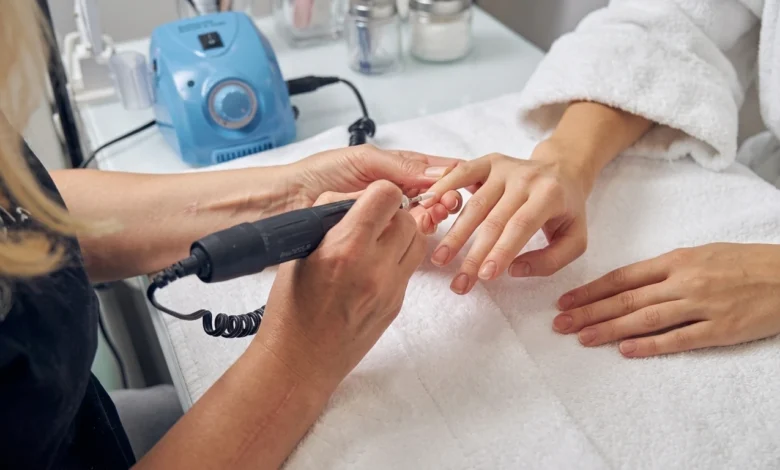
An e-file hums against a dry, bare nail plate, lifting the clear, dead tissue tucked against the proximal nail fold without a single drop of water or cuticle softener in sight. This dry, mechanical preparation defines the Russian manicure, a highly detailed aesthetic technique that has moved from specialized Eastern European salons into high-end beauty studios across the United States.
Also known as an e-file manicure, dry manicure, or hardware manicure, what is a russian manicure at its core is a precise nail care method that uses electronic rotary files with diamond-coated bits to clean, exfoliate, and shape the cuticle region and lateral nail folds before applying polish or a structured gel overlay.
To perform a Russian manicure, nail technicians follow a strict 5-step dry protocol: 1. Shape the natural nail edge and gently lift the proximal fold with an e-file; 2. Remove dead cuticle skin from the nail plate using specialized diamond bits; 3. Trim the excess lifted tissue cleanly with micro-scissors or a ball bit; 4. Smooth the surrounding skin with a silicone polishing bit; 5. Apply a structured rubber base coat directly against the clean nail border for flawless gel adhesion.
Unlike traditional wet manicures that begin with a warm hand soak, the Russian method relies entirely on dry skin manipulation. Water causes the natural nail plate to absorb moisture and temporarily expand. When a technician applies gel polish over a water-soaked nail, the nail plate later contracts as it dries, which creates microscopic air pockets that lead to premature chipping, lifting, and peeling within a week or two. By eliminating water from the preparation phase, the Russian technique preserves the flat, dry architecture of the nail bed, allowing gel overlays to bond securely and remain intact for 3 to 4 weeks.
To understand how this detailed nail care aesthetic gained widespread momentum alongside broader cultural shifts toward polished minimalism, explore our analysis of How Fashion Trends Start: From Runways to Digital Loops, or contrast this detailed nail service against softer seasonal colors in the Almond Milk Manicure Summer Trend guide.
What Makes the Russian Technique Distinct From Traditional Salon Services
The fundamental distinction between a standard nail appointment and a Russian manicure lies in the treatment of the skin surrounding the nail plate. In a conventional salon service, a technician applies a chemical cuticle remover, soaks your hands in warm water, and uses a metal pusher or hand nippers to slice away visible skin. This wet approach often leaves micro-tears in living tissue and misses the non-living keratinized layer, known as the true cuticle, which remains adhered directly to the surface of the nail.
The Russian technique treats cuticle care as a structural foundation. Technicians operate an electric file running at specific speeds between 15,000 and 25,000 revolutions per minute (RPM). Using varying grits of diamond-coated rotary bits, the technician gently separates the proximal nail fold from the nail plate, cleans out the lateral sidewalls, and polishes away dead keratinised skin flakes. Because the skin remains completely dry, the technician maintains full visual control over where dead cuticle tissue ends and living, vascularized tissue begins.
Another signature marker of the Russian manicure is the application of a structured builder gel or thick rubber base. Instead of brushing on thin, fluid polish coats, the technician places a self-leveling drop of dense gel near the cuticle line and guides it across the nail to create a smooth apex. This structural reinforcement corrects natural ridges, balances flat or scooped nail beds, and shields natural nails from mechanical breakage while they grow out over several weeks.
The 5-Step E-File Process: From Dry Preparation to Rubber Base Overlay
Achieving the clean, seamless aesthetic of an e-file manicure requires a disciplined sequence of specialized tools. Each stage of the service addresses a distinct anatomical zone of the finger.
Step 1: Free-Edge Shaping and Wall Exfoliation
The technician begins on clean, unsoaked hands. Using a tear-drop or cylindrical diamond bit, the electric file moves smoothly along the side walls of the nail, buffing away hardened skin build-up and shaping the free edge of the natural nail plate without bending or destabilizing the keratine layers.
Step 2: Lifting the Proximal Fold
Switching to a thin flame bit held at a strict 45-degree angle, the technician cleans the underside of the proximal nail fold. The rotating diamond bit gently separates adhered cuticle skin from the nail plate, opening up a shallow, clean pocket between the living skin fold and the nail surface.
Step 3: Precise Tissue Exfoliation
A spherical ball bit or micro-curved cuticle scissors removes the lifted ribbon of dead cuticle skin. Because the tissue is dry and firm, it shears off cleanly in one continuous strand without leaving ragged edges, hangnails, or fraying surrounding skin.
Step 4: Surface Smoothing and Skin Polishing
A soft silicone polisher or fine-grit ceramic bit buffing bit polishes the surrounding skin along the lateral ridges. This step seals the microscopic skin edges, preventing tough calluses from reforming quickly and giving the fingers a smooth, soft texture.
Step 5: Structured Rubber Base Overlay and Color Precision
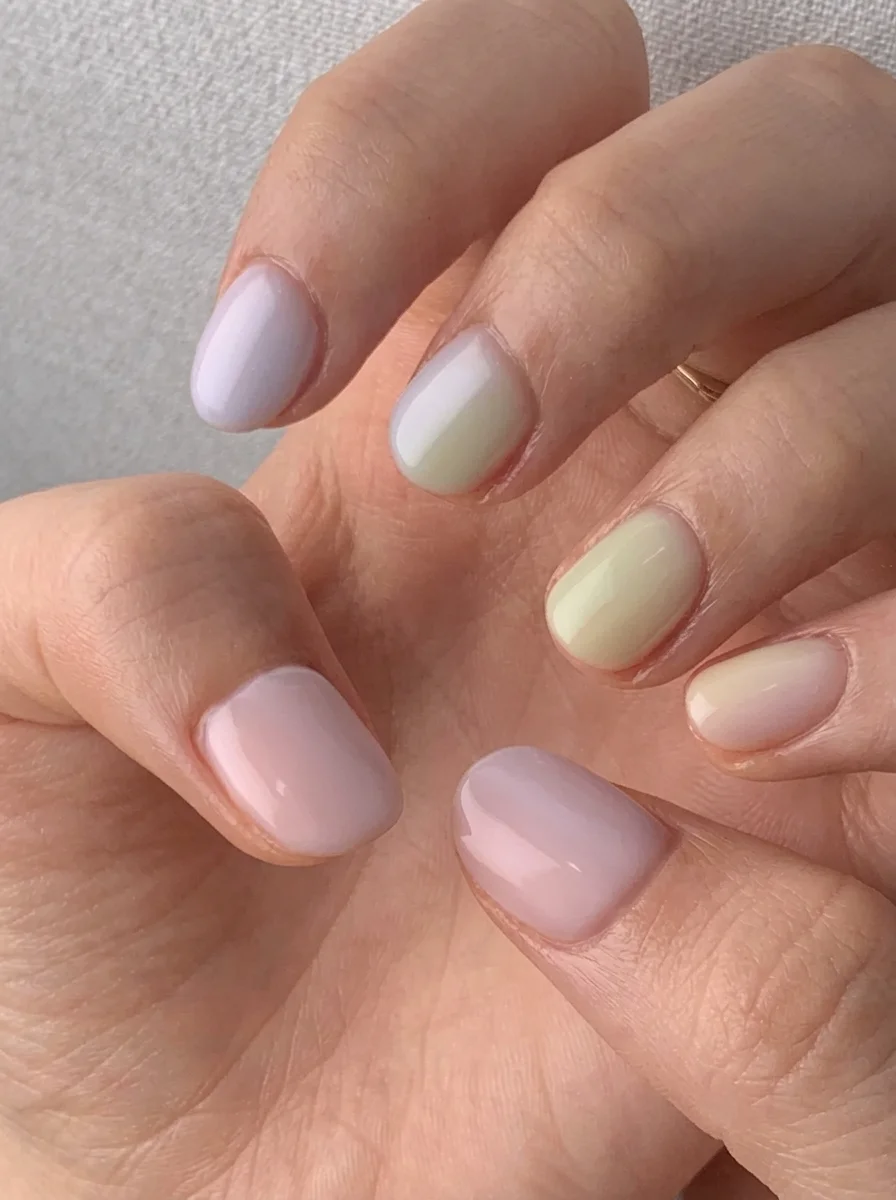
After cleansing the bare nail plate with an alcohol dehydrator, the technician applies a drop of rubber base coat. The brush tucks the gel directly under the newly opened proximal fold, making the polish appear as if it is growing straight out from under the skin. After curing under an LED lamp, color polish or a sheer neutral topcoat is applied in ultra-thin layers.
Russian Manicure vs Traditional Wet Manicure: A Direct Comparison
Choosing between these two nail services involves weighing immediate convenience against longevity, cost, and personal skin sensitivity. The table below outlines the core differences between a dry e-file service and a standard wet salon manicure.
| Comparison Factor | Russian E-File Manicure | Traditional Wet Manicure |
|---|---|---|
| Water Exposure | 100 percent dry service with zero water soaking | Soaked in warm water bath with chemical softeners |
| Cuticle Tooling | Electric rotary file with diamond-coated bits | Manual metal pusher, hand nippers, and orange sticks |
| Service Duration | 2 to 3 hours for complete cuticle prep and overlay | 30 to 45 minutes for standard polish or gel application |
| Wear Longevity | 3 to 4 weeks without chipping or pocket lifting | 1 to 2 weeks before edge peeling or chipping occurs |
| Average US Cost | 120 to 250 dollars depending on city and studio | 35 to 60 dollars at standard street-front salons |
| Technician Training | Advanced specialized certification in e-file physics | Standard state board cosmetology or nail license |
At a Glance: Key Service Differences
- Russian E-File Manicure: Requires 2 to 3 hours, costs $120 to $250, uses dry rotary diamond bits, and lasts 3 to 4 weeks with a structured gel overlay.
- Traditional Wet Manicure: Takes 30 to 45 minutes, costs $35 to $60, relies on warm water soaking with manual nipping, and lasts 1 to 2 weeks.
Clinical Safety, Infection Dangers, and Dermatologist Warnings
Despite its sleek visual outcome, the Russian manicure is a frequent topic of debate among medical professionals and state licensing boards. The primary concern stems from nail anatomy. The skin fold sitting at the base of your nail, known as the proximal nail fold, along with the cuticle, forms an essential anatomical seal that protects the nail matrix underneath from pathogenic bacteria, fungi, and environmental irritants.
Board-certified dermatologists, including Dr. Elizabeth Kiracofe, frequently caution against aggressive removal or deep trimming of the proximal fold. When an e-file bit cuts too deeply or abrasively into living tissue, it breaches this natural protective barrier. This can allow common environmental bacteria like Staphylococcus aureus or fungal spores to enter the tissue, causing acute bacterial paronychia, an infection characterized by painful swelling, redness, and pus around the nail perimeter.
Furthermore, improper e-file speed, incorrect bit angle, or excessive downward pressure can cause friction burns and mechanical trauma to the delicate, living nail bed beneath the hard plate. Repeated physical injury to the nail matrix can result in permanent nail dystrophy, visible horizontal ridges known as Beau’s lines, or thin, fragile nail plates that split easily.
In the United States, regulations regarding cuticle trimming vary significantly by state. State boards of cosmetology in jurisdictions such as California and New York strictly mandate that licensed cosmetologists and nail technicians may only remove non-living dead skin from the nail plate and must not cut or abrade living tissue. Because an e-file operates at high speeds, distinguishing between non-living cuticle and living proximal fold tissue requires extensive practical training beyond basic licensing exams.
To evaluate whether a fast-moving nail trend has lasting merit or poses unnecessary long-term risks to your routine, review our evaluation criteria in How to Know if a Trend Will Last: 3 Smart Closet Tests.
Price, Salon Time, and Maintenance Expectations in US Salons
Investing in an e-file manicure requires significantly more time and money than a standard walk-in salon visit. In major metropolitan areas like New York City, Los Angeles, Miami, and Chicago, a baseline Russian manicure without color costs between $120 and $160, while a full service including a structured rubber base overlay and custom nail art can easily range from $180 to $250.
The extended appointment length reflects the meticulous, single-nail focus required during dry preparation. Technicians spend anywhere from 60 to 90 minutes solely on skin exfoliation and cuticle removal before opening a single bottle of polish. The complete appointment typically takes between 2 and 3 hours.
Because the polish is tucked neatly against the recessed edge of the proximal fold, growth lines become visible much later than with traditional applications. Clients generally schedule maintenance appointments every 3 to 4 weeks. During a fill-in service, the technician uses a coarse carbide bit to gently reduce the existing gel overlay without stripping the natural nail down to bare tissue, keeping the natural nail protected from repeated chemical removers.
Who Should Skip a Russian Manicure
While this technique offers exceptional polish longevity and a hyper-clean visual finish, it is not suitable for every hand or lifestyle. Certain skin and health conditions make mechanical dry filing risky.
- Individuals with Diabetes or Circulatory Deficits: Reduced sensation or slower wound healing in the hands increases the risk of undetected micro-cuts leading to serious secondary skin infections.
- People With Active Skin Conditions: Anyone experiencing active eczema flare-ups, psoriasis, open cuts, or viral warts around the fingers should avoid high-speed rotary friction on affected areas.
- Clients With Extremely Thin or Damaged Nail Plates: Nails that have been over-filed by previous acrylic removals or damaged by physical trauma require resting periods and gentle hydration rather than intense mechanical filing.
- Anyone On a Tight Schedule or Limited Budget: If spending two hours in a salon chair or paying over a hundred dollars per visit creates friction in your routine, standard manicures or simple natural nail care offer a more practical path.
Which Manicure Method Fits Your Nails and Routine
Choosing the right approach depends on your natural skin type, your tolerance for salon time, and your long-term nail goals.
If You Have Fast-Growing, Tough Cuticles and Desire Maximum Longevity: A certified Russian manicure studio offers the exact structural support and deep cuticle clearance needed to keep gel polish pristine for up to four full weeks without lifting at the edges.
If You Have Sensitive Skin or Thin, Compromised Nail Beds: Opt for a gentle dry manicure that uses manual wooden pushers and light buffing rather than high-speed rotary files, or request that your technician skip cutting the proximal fold entirely.
If You Prefer Quick Salon Visits and Flexible Polish Changes: Traditional wet manicures or non-gel nail services remain the most efficient choice, allowing you to refresh your color at home or pop into a local studio for a 30-minute touch-up.
Frequently Asked Questions About Russian Manicures
Does a Russian manicure hurt?
A properly executed Russian manicure should be completely painless. Because the technician works only on dead cuticle tissue and calloused skin, you should feel a light vibration from the e-file rather than heat or sharp pinching. If you feel burning, heat spikes, or pain, tell your technician immediately, as this indicates excess pressure or incorrect bit selection on living skin.
Is a Russian manicure safe during pregnancy?
The mechanical e-file cuticle process itself poses no chemical risks during pregnancy. However, because pregnant individuals are more prone to skin sensitivity and localized inflammation, ensuring your studio uses medical-grade autoclave sterilization for all metal bits and disposable single-use abrasives is vital to prevent bacterial exposure.
Can I perform a Russian manicure on myself at home?
Dermatologists and master nail educators strongly advise against DIY e-file cuticle trimming at home. Operating a high-speed electric file with your non-dominant hand makes controlling bit angles and depth extremely difficult, which significantly increases the risk of deep cuts, severe nail plate gouging, and serious bacterial infections.
How often should you get a Russian manicure?
Most clients book appointments every 3 to 4 weeks. This interval aligns with the natural growth cycle of fingernails and allows the surrounding skin time to regenerate naturally without over-exfoliating the cuticle area.
Closing
The Russian manicure represents a deliberate shift toward mechanical precision and structural durability in modern nail care. By replacing traditional water baths with specialized diamond e-file bits, this dry technique delivers an extraordinarily clean cuticle perimeter and an ultra-smooth nail surface that keeps gel overlays intact for up to a month.
However, because the procedure involves working intimately near protective living skin folds, safety relies entirely on technician skill and rigid sanitation. When performed by a certified professional who respects natural nail anatomy, the Russian manicure stands as a highly effective, long-wearing option for polished, minimal hands.
Sources
- Dermatology Times: Nail Trends That Challenge Clinical Diagnosis, Access Date: August 1, 2026
- U.S. Food and Drug Administration: Nail Care Products Regulations and Safety, Access Date: August 1, 2026
- Beauty Launchpad: Answering Frequently Asked Questions About the Rise of the Russian Manicure, Access Date: August 1, 2026
- The Guardian: Russian E-File Manicures on the Rise: Differences and Risks, Access Date: August 1, 2026