
Introduction
Figuring out how to know if a trend will last isn’t a dark art hidden inside elite retail algorithms. You don’t need an industry crystal ball or a direct line to high-fashion forecasting boards to protect your budget. Longevity is plain, physical geometry—and you can read it right across a fitting room mirror simply by testing seam tension and fabric weight.
A fashion macrotrend typically possesses a functional lifespan of 5 to 10 years and grows gradually across multiple retail categories simultaneously. In contrast, short-lived fads rely on social media virality, experiencing vertical overnight volume spikes before peaking and collapsing entirely within a single season or weeks.
The Anatomy of Fashion Lifecycles: Macrotrends vs. Fads
Building a sustainable closet relies on knowing how fashion trends start across digital loops and runway spaces. When you see a new shape dominate your social feed, it is easy to assume that everything moves at the exact same hyper-speed. That assumption causes hasty purchases that end up unworn. The modern retail space is split into two completely different movements: massive structural shifts that alter how we dress for a decade, and fleeting style experiments that vanish in a month. Understanding this difference changes how you view a Capsule Wardrobe and helps you protect your budget.
What is a Macrotrend?
A macrotrend is a long-term shift in silhouette, proportion, or lifestyle utility that influences multiple consumer categories at the same time. Research shows these movements possess a standard functional lifespan of 5 to 10 years. They do not emerge overnight out of a viral video. Instead, they build momentum slowly as design houses and mainstream manufacturers slowly agree on a new cultural direction.
True longevity is signaled by gradual, steady growth velocity over time rather than a sudden volume spike. For example, the ongoing shift toward looser clothing did not happen by accident. It grew out of a collective demand for physical comfort, eventually moving from casual streetwear into formal tailoring. This slow evolution gives you plenty of time to observe, think, and decide if the look works for your life before buying in.
Why Do Viral Fads Collapse So Quickly?
Fads are short-lived spikes driven by pure novelty or social media virality that completely peak and collapse within a single season or weeks. They are the junk food of the fashion world. They exist to generate quick clicks and rapid retail turnover, relying entirely on manufactured hype.
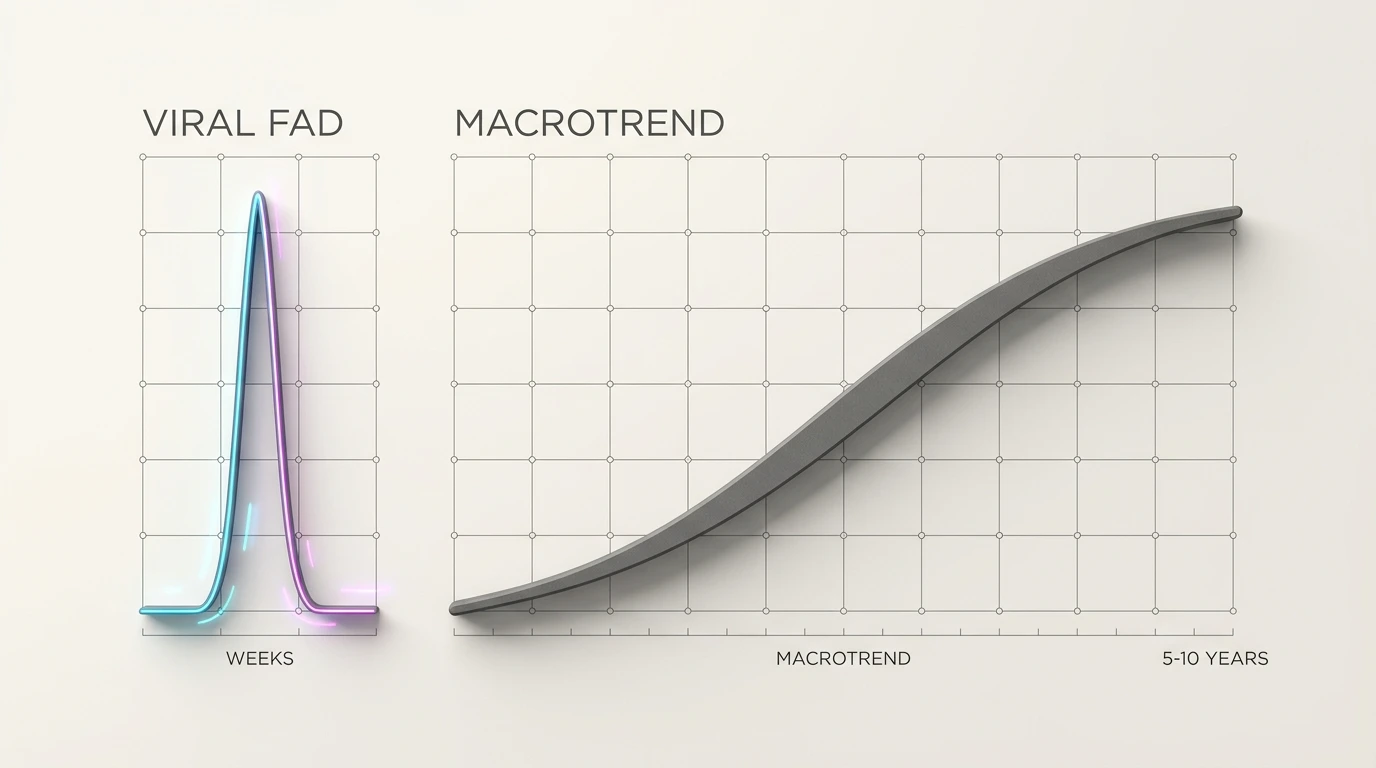
When a style hits the internet and explodes vertically, it burns out its own cultural fuel. The market becomes saturated instantly, making the garment feel dated almost immediately after it arrives. A closet filled with fads requires constant replacement, leaving you with an expensive collection of items that feel unwearable six months later.
Reading the Signs: How to Spot a Rising Macrotrend Early
You can easily train your eye to spot long-term movements before they become completely mainstream. Retailers spend months preparing for major production shifts, leaving a clear trail of indicators that anyone can read if they know where to look.
The Three-Pattern Runway Repetition Rule
A trend is formally validated when a repeated pattern appears across multiple distinct runway collections and street style environments concurrently. Industry insiders call this the “repetition of three” rule. It serves as a reliable green light for future production.
The cycle starts when an avant-garde designer introduces an unusual concept—say, a sharply dropped shoulder seam on an unlined coat. At first, it looks experimental and detached from daily life. But the real shift happens six months later. That is when you notice two independent, mid-tier contemporary brands introducing moderated versions of that exact same shoulder line. They clean up the excess fabric, stabilize the armhole, and make it wearable. Finally, premium high-street brands strip away the remaining editorial fluff and produce the piece in accessible, everyday textiles. This deliberate repetition across separate design spaces proves that the industry has committed capital to the shift, turning an experiment into a reliable long-term style.
Shifting Silhouettes: The Modern Denim Case Study
Denim is the most accurate barometer for general structural trends. Because we wear jeans daily, changes in denim cuts quickly predict wider changes across trousers, skirts, and dresses. The recent lifecycle of denim volumes illustrates this structural transition perfectly.
| Denim Silhouette | Visual Profile | Structural Predecessor | Longevity Indicators |
| Straight Fit | Consistent width from hip to ankle. | Skinny Jeans | High. Acts as a neutral base that anchors shifting top volumes. |
| Relaxed Fit | Added room throughout the thigh and calf. | Traditional Boyfriend Cuts | High. Aligns with the macro demand for casual, unrestrictive clothing. |
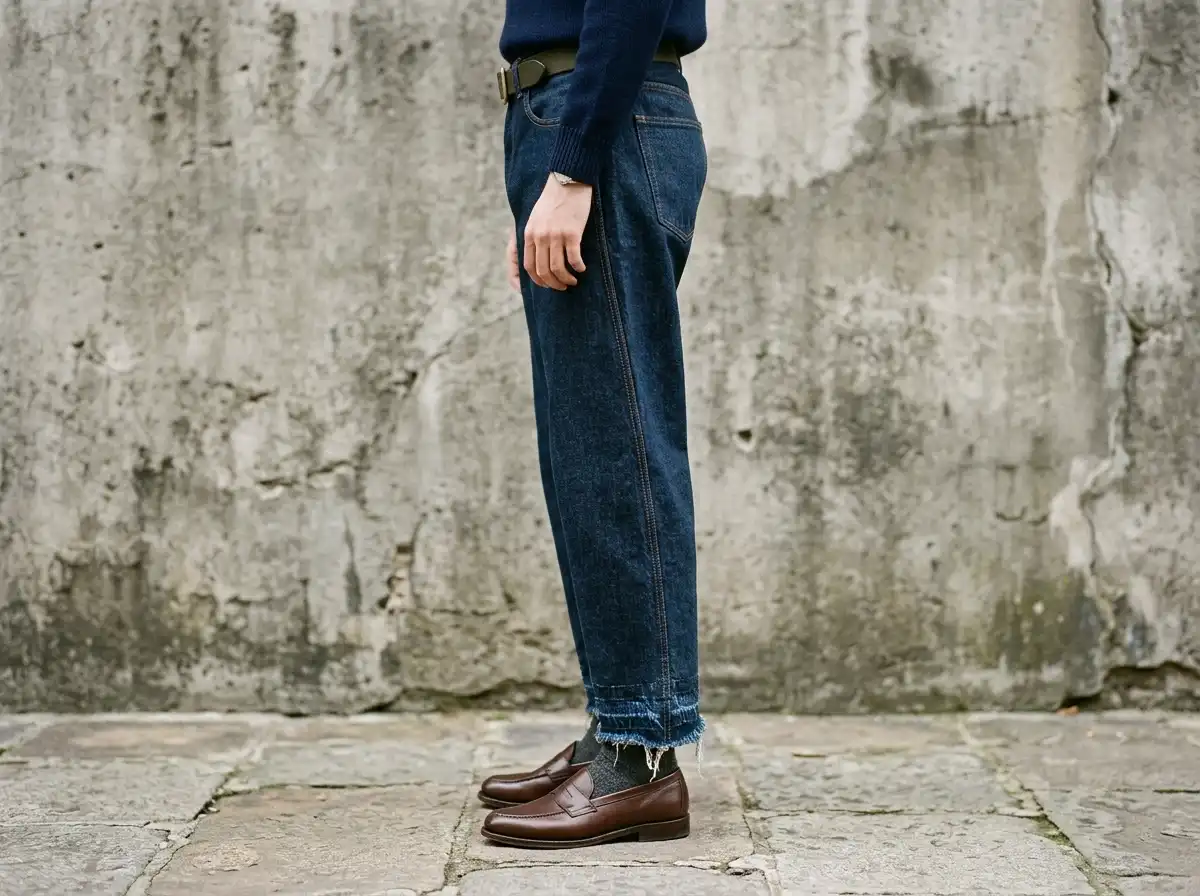
| Barrel-Leg Jean | Ovoid shape that curves out at the knee and tapers at the ankle. | Exaggerated Wide-Leg | Medium-High. A structured compromise that manages excess fabric safely. |
Sustainable silhouettes like the barrel-leg jean emerge as multi-year gradual evolutions of prior wide shapes, not sudden standalone anomalies. Market tracking from major retailers highlights a 385% demand transition toward these curved geometries as shoppers seek an alternative to massive, floor-dragging wide-legs.
Whether the barrel cut achieves permanent status remains to be seen, as its ovoid geometry can pool oddly if the inseam is even a half-inch too long for your footwear. However, in denim architecture, non-stretch compositions retain structural shape after washing and resist sag-deformation, flagging long-term retail durability. The thickness of the raw denim holds the line of the cut, ensuring the garment looks intentional rather than sloppy over years of laundry cycles.
The Longevity Checklist: How to Know if a Trend Will Last
When you are standing in a fitting room holding a new garment, ignore the price tag and the brand name. Instead, run the item through three objective tests to evaluate its true staying power.
The Cross-Category Adoption Test
Cross-category adoption indicates deep consumer value alignment and trend endurance. A design choice that stays locked in one isolated garment category is highly vulnerable to collapsing. A concept that successfully jumps across industry walls is built to last.
Consider how a visual aesthetic like Quiet Luxury functions. It started as a clean, logo-free approach to tailoring. Within two years, that exact design philosophy migrated into fine jewelry, leather accessories, minimalist footwear, and even home interior design. When a style successfully shifts from high apparel into your living room, it has transformed into a stable lifestyle baseline.
The Structural Middle Ground Rule
Trends that inhabit the middle ground of design extremes hold a much higher closet lifespan. The safest space in fashion is always the moderated center. When design houses push a new style to the public, the initial versions are often loud, exaggerated caricatures meant to grab editorial attention.
If the current trend shifts toward heavy textures, a garment covered in massive, shredded fringe is a fast-moving fad. A top made of a subtle Crepe fabric with a crinkled, matte surface texture offers a moderated nod to the trend without screaming for attention. The middle ground allows you to participate in the current aesthetic mood without turning your outfit into a timestamped costume.
Calculating the Cost-Per-Wear Against Textile Construction
A sustainable closet requires treating clothing as a physical investment. Data indicates that 79% of younger consumers evaluate the cost-per-wear metric before purchasing, driving the modern shift toward intentional investment wardrobes.
To figure this out accurately, divide the retail purchase price by the estimated number of times you will actually wear the piece over two years. A $200 blazer worn three times a week across two years costs roughly $0.64 per wear. A $30 synthetic blouse worn twice before the underarm seams split costs an unforgiving $15 per wear.
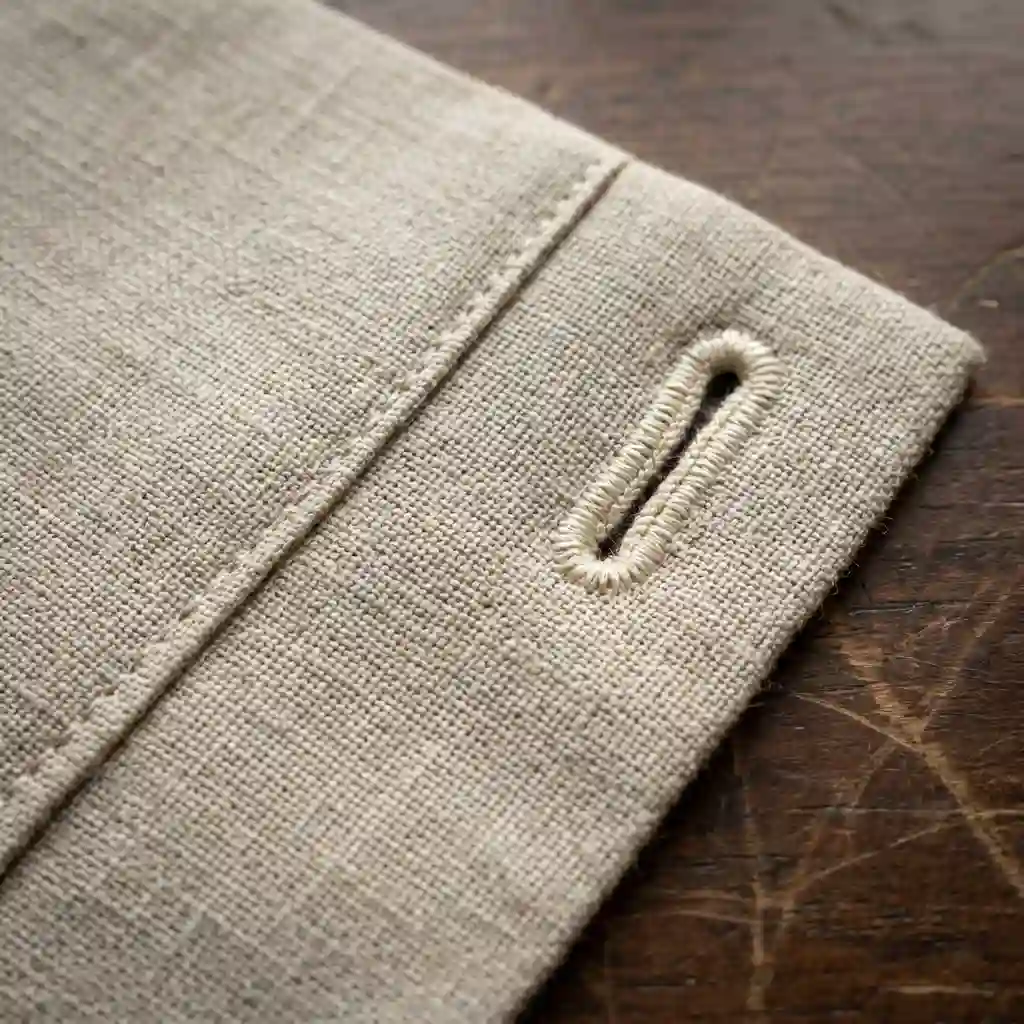
Garment durability is verified by tight, even, high-count stitching, clean buttonhole finishes, and natural fiber bases that wear better than synthetics. Check the interior fabrication tag carefully before heading to the register. A Linen Blend mixed with cotton or viscose provides excellent summer breathability while significantly reducing the deep creasing common to raw linen. For fluid, elegant drapes, look for high-quality Satin weaves or semi-synthetic choices like Modal and Rayon, though you should note that low-grade modal has a frustrating tendency to pill if washed alongside heavy, textured denim. You can explore how these materials anchor a closet by checking our guide to foundational wardrobe essentials built on structural fits.
Applying the System: Who Should Invest in an Evolving Shape?
An item can be objectively verified as a long-term macrotrend and still be completely wrong for your specific closet. The final gatekeeper is always your daily reality.
Testing Compatibility With Your Personal Style Baseline
Before spending money on a new silhouette, take a step back and evaluate it against your established styling habits. True confidence comes from discovering your personal style baseline through deliberate choices rather than accumulating impulse buys.
A validated trend must complement your existing wardrobe architecture. If your style leans toward a clean, historical Old Money aesthetic, forcing a highly technical, utility cargo pants trend into your rotation will feel disjointed. The piece will sit unworn because it has no natural partners in your closet. A lasting trend should easily slide into your existing Smart Casual or Business Casual routines, automatically matching the shoes, jackets, and belts you already own and trust.
When to Intentionally Pass on a Long-Term Trend
Sometimes the smartest style decision you can make is to look at a verified, high-quality macrotrend and choose to leave it on the rack. You do not owe compliance to every lasting movement in the fashion industry.
Lifestyle friction is the primary reason good clothes go unused. A beautiful, floor-sweeping Midi skirt made of delicate silk might be trending steadily for three years, but if your daily routine involves navigating busy city subway stairs or chasing a toddler through a park, that garment represents a functional mismatch. The fabric will catch, the hem will stain, and you will grow to resent the purchase. Own your authority. Let the industry move forward while you stick to the cuts that actively support the life you lead.
FAQs
How long does a typical fashion macrotrend actually last?
Macrotrends maintain structural retail relevance for 5 to 10 years, evolving gradually rather than spiking overnight.
What is the structural difference between a trend and a fad?
Trends solve lifestyle needs or silhouette balancing parameters across multiple industries. Fads rely entirely on visual novelty and social loops, decaying in weeks.
Does a premium price tag guarantee a trend item will stay relevant?
No. Price signals brand positioning or immediate margin targets. Longevity is determined by shape geometry, fabric utility, and garment construction.
Sources
Official Sources
- Vogue College | What Is a Fashion Trend? A Guide to Understanding the Future of the Industry | https://www.voguecollege.com/articles/madrid/what-is-a-fashion-trend-a-guide-to-understanding-the-future-of-the-industry | July 18, 2026 | Tier 5
Research Sources
- Lindenwood University | Fashion Forecasting: Predicting Trends and Staying Ahead of the Curve | https://www.lindenwood.edu/blog/fashion-forecasting-predicting-trends-and-staying-ahead-of-the-curve/ | July 18, 2026 | Tier 4
Industry Sources
- Spate NYC | How to Interpret Trend Signals | https://www.spate.nyc/blog/how-to-interpret-trend-signals | July 18, 2026 | Tier 5
- Just Style | Brits Rethink Fashion as Investment Wardrobes Gain Traction | https://www.just-style.com/news/brits-rethink-fashion-as-investment-wardrobes-gain-traction | July 18, 2026 | Tier 5
- Harper’s Bazaar | Why the Barrel-Leg Jean Is the Defining Silhouette | https://www.harpersbazaar.com/uk/fashion/shopping/g60589236/barrel-leg-jean/ | July 18, 2026 | Tier 5
- Fashion Journal | How to Choose Wardrobe Investment Pieces According to a Stylist | https://fashionjournal.com.au/fashion/stylist-investment-pieces/ | July 18, 2026 | Tier 5
- Let’s Get You | How to Know What to Spend More on When Investing in a Wardrobe | https://www.letsgetyou.com/blog/how-to-know-what-to-spend-more-on-when-investing-in-a-wardrobe | July 18, 2026 | Tier 5
- Attire Club | 8 Tips for Investing in High-Quality Fashion Pieces | https://attireclub.org/2024/11/20/8-tips-for-investing-in-high-quality-fashion-pieces-that-stand-the-test-of-time/ | July 18, 2026 | Tier 5