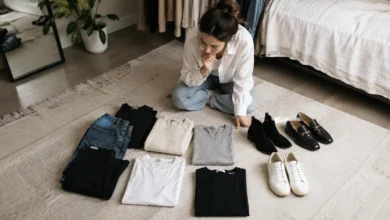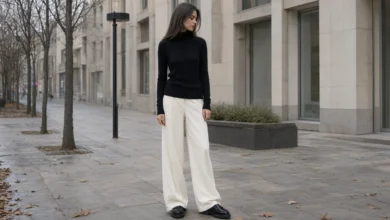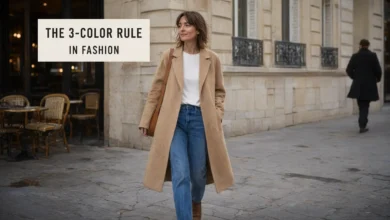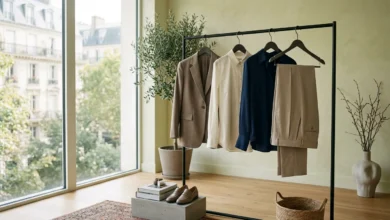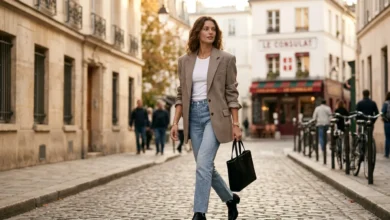
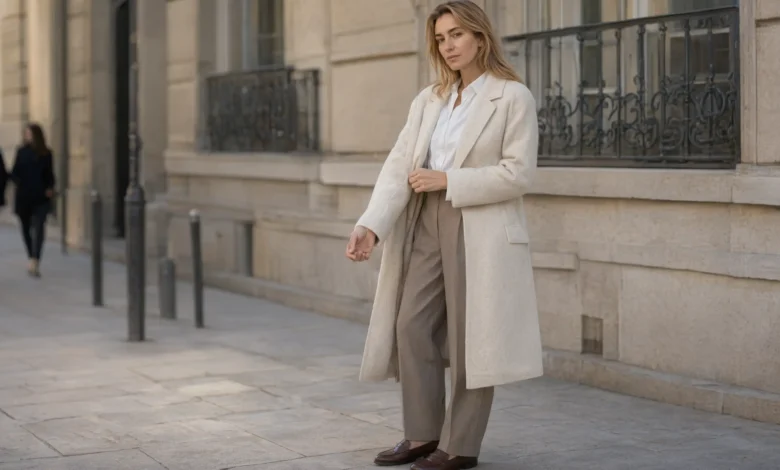
Most online guides treat quiet luxury as a color palette. They tell you to buy beige, cream, and oatmeal, assuming that a neutral tone automatically translates to elegance. This approach fails the moment you step outside. A head-to-toe synthetic beige outfit does not look expensive. It looks like a corporate uniform that traps heat and clings to the body. True refinement has nothing to do with the absence of color. It has everything to do with the presence of structural integrity.
Quiet luxury is a mechanical system of dressing that prioritizes textile density, structural seam finishes, and unbroken silhouettes over visible branding. To execute this style, you must evaluate garments based on their grams per square meter weight, natural fiber composition, and deep blind hems rather than legacy designer labels or seasonal color trends.
The Core Principle of Unbranded Architecture
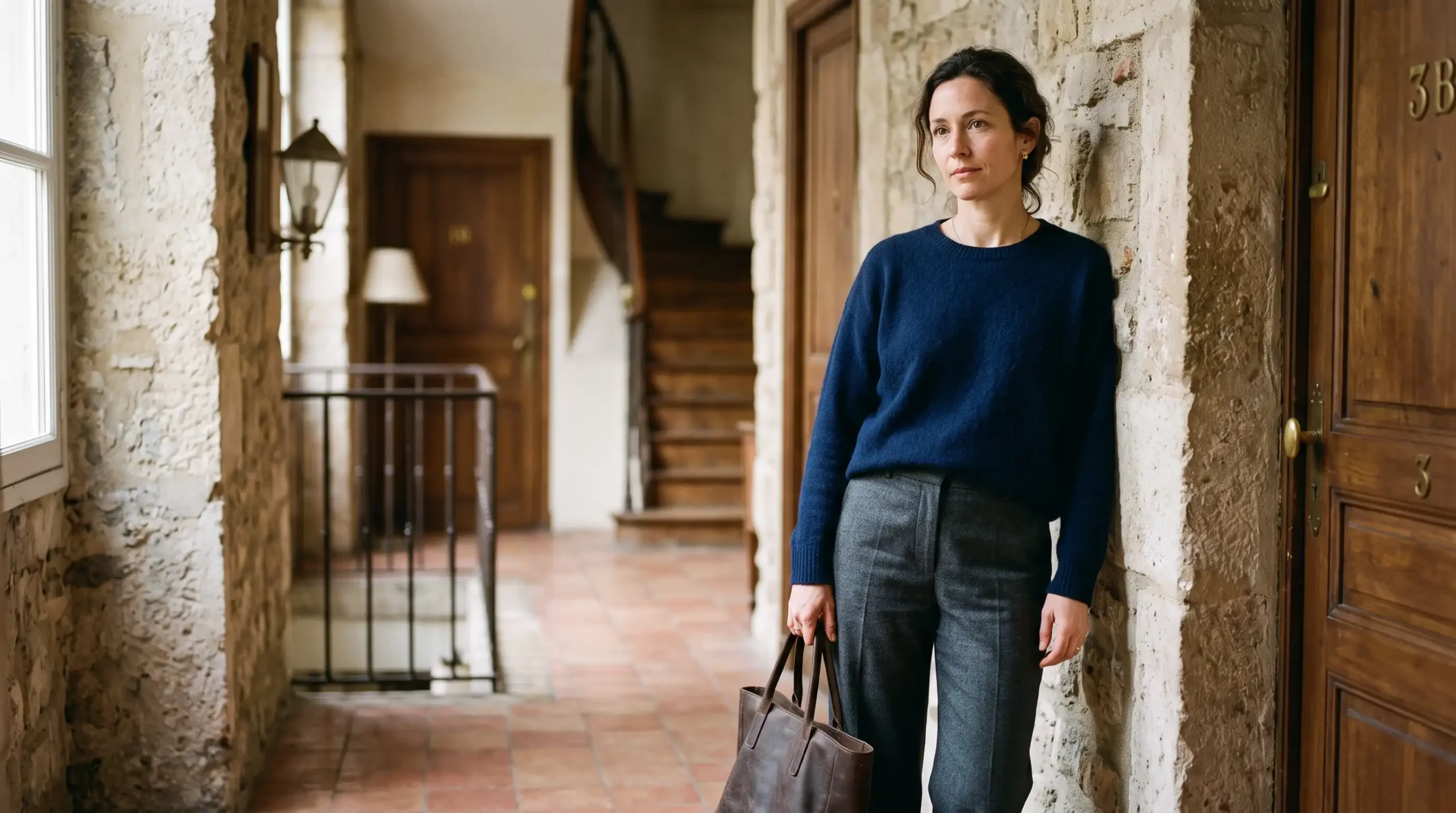
The internet conversation surrounding logo-free fashion peaked during a major pop-culture surge in 2023. Television dramas convinced millions that looking refined required an astronomical legacy label. That assumption completely misses how clothing actually functions. The visual weight of an outfit depends entirely on how the fabric falls and how the seams are stitched.
Laird Borrelli-Persson of Vogue perfectly summarized this reality when noting that while fast fashion can copy a visual trend, the hand of a luxury fabric cannot be replicated [[13]]. When you analyze this framework by garment architecture rather than price tag, you find a deliberate style system. It replaces loud branding with textile precision. This method prioritizes the longevity of a closet. It aligns perfectly with the foundational steps of building a capsule wardrobe to stop overbuying, ensuring every piece earns its hanger space through daily utility rather than temporary hype.
The Materials Matrix: Decoding GSM and Fiber Truths
An unbranded garment relies entirely on its construction to look refined. Without a logo to distract the eye, the material itself becomes the primary focus. The Federal Trade Commission enforces the Textile Fiber Products Identification Act (16 CFR Part 303), which mandates exact fiber disclosure on every care tag. This legal requirement is your ultimate weapon against marketing deception. You can bypass financial gatekeeping simply by reading the raw material truth.
High-end labels build their reputations on premium textiles like virgin wool and heavy silks. These materials hold a distinct weight and drape without the artificial shine common in synthetic alternatives. You must look at the grams per square meter, commonly known as GSM. This metric dictates how a fabric behaves in real-world environments.
| Material Category | Target GSM Weight | Structural Performance | Budget-Friendly Alternative |
|---|---|---|---|
| Shirting (Cotton Poplin) | 110 to 140 GSM | Holds structured shapes like pointed collars and sharp sleeve cuffs without wrinkling excessively. | High-twist Supima or long-staple organic cotton. |
| Knitwear (Merino / Cashmere) | 220 to 280 GSM | Regulates thermal temperature naturally and drapes softly over shoulders without stiffness or pilling. | Fine-gauge lambswool or high-density cotton-wool blends. |
| Tailored Trousers (Wool / Crepe) | 260 to 300 GSM | Provides a heavy, fluid drape that falls straight to the shoe and resists wind disruption on city streets. | High-twist rayon or dense modal weaves with structural linings. |
4 Concrete Applications for Daily Execution
Transitioning away from branded apparel requires a shift in how you organize an outfit. You build it through balance, proportion, and quiet texture coordination. This is an excellent framework for identifying reliable wardrobe essentials that function interchangeably across different settings.
Application 1: Balancing the Tonal and Low-Contrast Palette
Monochromatic dressing is the standard approach here. Sticking strictly to beige or ivory can easily wash out fair or warm skin complexions. The actual strategy is low-contrast outfitting using desaturated tones. If traditional tan shades make you look tired, pivot toward a base of deep charcoal, slate gray, olive drab, or midnight navy.
Pair a charcoal wool trouser with a matte black silk shirt. The lack of visual contrast between the top and bottom halves of your body creates an unbroken vertical line. This elongates the silhouette without relying on loud color blocks.
Application 2: Prioritizing Straight and Relaxed Silhouettes
Garments tailored skin-tight break the clean lines required for this aesthetic. Look for a straight fit or a relaxed fit that leaves roughly an inch of breathing room between the textile and your frame. A classic pleated trouser should sit comfortably at your natural waist. It must drop straight down to the instep of your shoe without tapering aggressively at the ankle.
When layering, pair a structured dropped-shoulder blazer over a fine-gauge knit sweater. The structured shoulder provides a sharp frame. The relaxed body allows the fabric to move naturally as you walk.
Application 3: Selecting Clean, Non-Decorative Hardware
Bright, polished yellow-gold buttons and shiny chrome zippers can make an otherwise excellent coat look commercial. Focus on garments featuring muted hardware. Brushed antique brass, matte horn buttons, or concealed button plackets hide the closures entirely.
This attention to detail is incredibly helpful when navigating modern business casual expectations in professional environments. Understated utility translates to quiet confidence. Look for real horn or genuine corozo nut buttons. They have organic color variations that plastic imitations cannot convincingly replicate.
Application 4: Anchoring Outfits with Unbranded Leather Goods
Your footwear and bags should ground the proportions of your outfit. Look for structured leather totes or loafers made from full-grain calfskin or supple suede. Avoid prominent metallic logos or decorative hardware chains across the vamp of the shoe.
A clean, stitched edge on a classic dark brown leather belt provides an intentional finishing point for the eye. Genuine untreated suede scuffs easily if you commute in heavy rain. The rich, non-reflective texture it adds to a cotton or wool outfit makes the minor upkeep entirely worth the effort.
The Construction Reality and Maintenance
The most common criticism leveled against unbranded styling is that it is simply an expensive marketing shield. High-fashion legacy publications often reinforce this myth. They suggest that the look can only be achieved by spending four figures on an unbranded cashmere knit.
Premium price tags do not guarantee structural quality. A substantial portion of luxury pricing covers international marketing campaigns and prime retail real estate. An independent mid-market brand using reinforced French seams will look significantly better than a designer diffusion line blouse made from a shiny polyester blend. True craftsmanship exists completely outside high legacy retail marks.
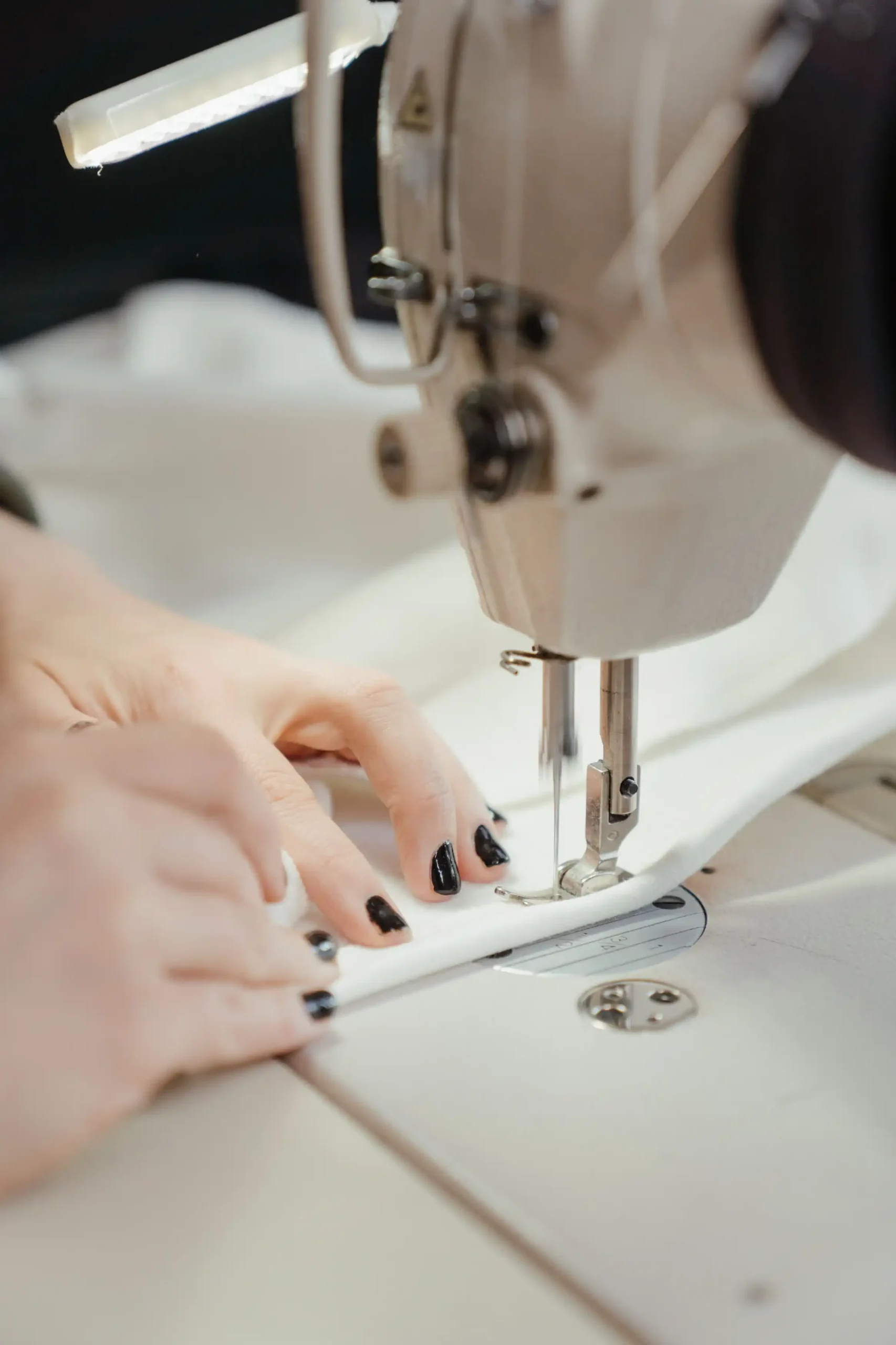
You must also maintain these pieces correctly. Natural materials require consistent care to maintain their structural integrity over multiple seasons.
- Deploy a Fabric Comb Regularly: Fine wool and cashmere items experience natural friction that causes fibers to detach and ball up. Avoid electric fabric shavers, which can inadvertently slice into the underlying threads. Glide a manual cedar fabric comb gently down the grain of the knit to lift away pills safely.
- Choose Steaming Over Ironing: Direct, high dry heat from a traditional iron can flatten the natural loft of wool fibers. It can also create an irreversible, synthetic-looking shine on delicate fabrics like silk satin. Use a handheld steamer to relax wrinkles via moisture.
- Inspect the Hem Allowance: A high-quality trouser or skirt typically features a deep, blind-stitched hem of roughly 1.5 to 2 inches. This structural choice provides a functional anchor. Mass-produced items frequently cut corners here, using a narrow top-stitched quarter-inch hem that causes light fabrics to pucker.
Frequently Asked Questions
What is the difference between quiet luxury and old money style?
Old money style is anchored specifically in heritage and prep-coded dressing. It relies on crests, polo collars, and traditional tailoring. Quiet luxury focuses on ultra-minimalism, contemporary cuts, and the total absence of surface branding.
Can I dress in this style on a normal budget?
Yes. By focusing on fiber tags and observing construction details like deep blind hems and clean stitching instead of chasing labels, you can achieve the look at accessible price points.
What colors can I wear if beige washes me out?
This aesthetic adapts perfectly to deeper, desaturated tones such as charcoal gray, midnight navy, deep olive, espresso brown, and clean matte black.
Sources
Official Sources
- Federal Trade Commission: Textile Fiber Products Identification Act (16 CFR Part 303), Access Date: August 27, 2026.
Industry Sources
- Vogue: Quiet Luxury Is a Duuupe—Here’s Why, Access Date: August 27, 2026.
- Harper’s BAZAAR UK: The Quiet Luxury Fashion Trend Explained, Access Date: August 27, 2026.
Research Sources
- Ellen MacArthur Foundation: The True Cost of Fast Fashion and Garment Longevity, Access Date: August 27, 2026.
Additional Reading
- Sumissura: The Quiet Luxury Fashion Guide for Women, Access Date: August 27, 2026.