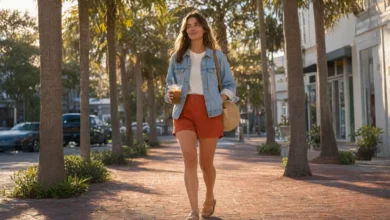
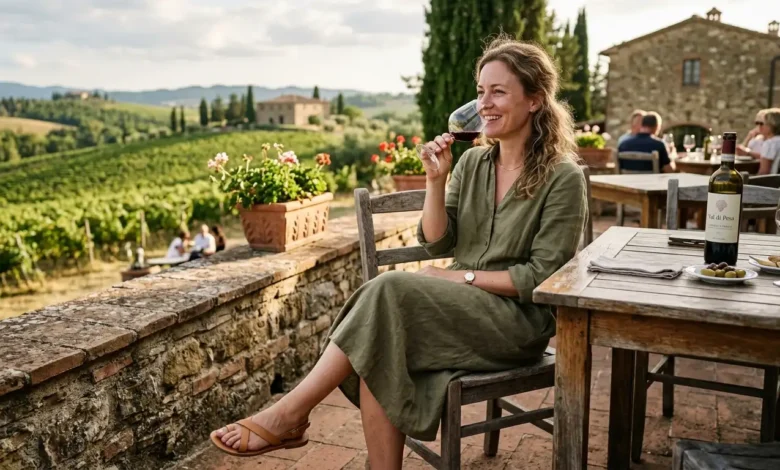
Planning winery outfits presents a unique styling balance because vineyard tasting rooms sit at the intersection of rural agriculture and polished hospitality. When visiting estate vineyards in regions like Napa Valley or Sonoma County, the setting demands a look that feels elevated yet fully functional. You might start your morning on a sun-drenched patio and end it inside an underground barrel cave cooled to 55°F, walking across crushed gravel pathways and damp lawn seating along the way.
To manage these shifts without overthinking your closet, the most effective winery outfits rely on breathable natural textiles, stable footwear, and strategic layering pieces. Whether you are attending a casual afternoon tasting or a formal estate dinner, mastering wine country style comes down to matching your fabric weight and silhouette to the physical environment.
To assemble reliable winery outfits for any season, follow a four-step formula: 1) Select a breathable base layer in a mid-weight natural fiber like 140 GSM linen or 120 GSM cotton poplin, 2) Choose stable footwear with textured soles such as flat leather sandals, low block wedges, or refined loafers to handle gravel and lawn terrain, 3) Add a removable outer layer like a structured blazer or soft cardigan to adjust for 25-degree temperature drops inside wine cellars, and 4) Complete the outfit with a hands-free crossbody bag and a brimmed sun hat while avoiding all synthetic perfumes.
Understanding Vineyard Microclimates and Physical Terrain
The primary reason standard casual clothes often fall short at a winery is the drastic microclimate variance inherent to wine-growing regions. Vineyard valleys experience significant diurnal temperature swings, where daytime temperatures frequently reach 80°F before dropping down to 52°F by late afternoon when coastal breezes roll through. Furthermore, guided cellar tours bring guests directly into subterranean aging rooms kept at a constant 55°F to 58°F with elevated humidity levels.
Beyond climate variations, physical terrain plays a decisive role in what works. Estate grounds consist of unpaved stone, coarse gravel, wet grass, and slick concrete crush pads. Footwear with thin heels or smooth leather soles causes immediate instability on these surfaces. Furthermore, outdoor lawn seating during summer tastings exposes guests to direct sun exposure, making sun protection and fabric breathability critical considerations.
Olfactory etiquette is another frequently overlooked aspect of wine country dressing. Olfactory perception accounts for roughly 80 percent of what human taste buds process as flavor during a tasting. Applying strong perfume, scented body cream, or fragrant hair spray before entering a tasting room distorts aromatic notes in delicate white wines and aged reds for both you and surrounding guests. When dressing for a vineyard day, keeping your outfit clean and fragrance-free ensures your senses stay focused entirely on the glass.
The 3-Part Winery Outfit Formula
In his analysis of wine country dress codes, fashion journalist Noel Burgess noted that successful winery outfits consistently pair one structured element with one relaxed silhouette and one practical anchor. This three-part approach prevents an outfit from feeling overly formal while ensuring you remain completely comfortable throughout a six-hour itinerary.
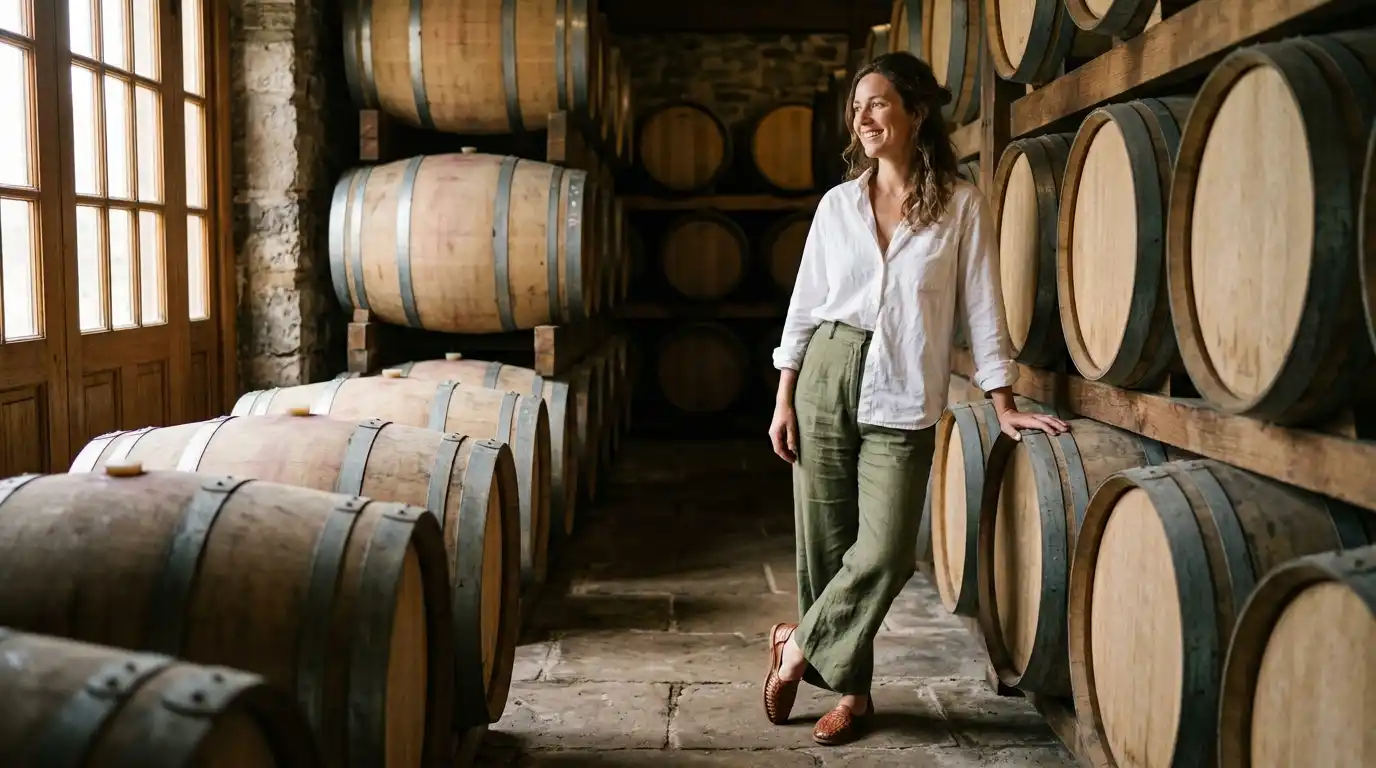
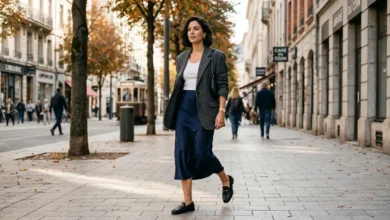
When building your look, start with a relaxed foundation like a flowy midi skirt or wide-leg trousers. Next, introduce polish through a structured shirt or crisp jacket. Finally, anchor the outfit with stable footwear that handles unpaved ground without hesitation. If you are refining your overall wardrobe structure before planning a trip, exploring How to Build a Capsule Wardrobe provides a clear framework for selecting versatile base pieces that layer easily.
4 Seasonal Winery Outfit Formulas That Always Work
While the three-part formula stays constant year-round, adjusting your fabric weights and outer layers ensures your look matches seasonal weather shifts across different wine regions.
1. Spring and Summer: Linen Midi Dress with Low Block Wedges
For warm summer afternoons, a high-quality linen blend midi dress offers built-in ventilation without risking hemlines blowing up during breezy terrace tastings. Look for a dress woven at 140 to 160 GSM, which provides enough substance to avoid sheer transparency under direct sunlight while drape gracefully over the hips. Pair the dress with a 1.5-inch jute block wedge or flat leather slide. A wide-brimmed straw hat and a cognac leather crossbody tote round out the look, keeping your hands free to hold a wine glass and charcuterie plate.
2. Harvest Season: Wide-Leg Trousers and Tissue-Weight Knit
Fall harvest, running from late August through October, brings warm sunny afternoons followed by sharp evening chills. A pair of high-waisted, wide-leg cotton trousers paired with a tissue-weight merino wool or modal top creates an ideal base. Layer a tailored unlined blazer or heavy cotton overshirt on top so you can adjust your coverage as you move between outdoor crush pads and shaded tasting rooms. If you are managing fluctuating autumn weather, reviewing How to Transition Summer to Fall highlights practical techniques for stacking lightweight knits under outerwear.
3. Winter Tasting: Dark Wash Denim, Cashmere Layer, and Ankle Boots
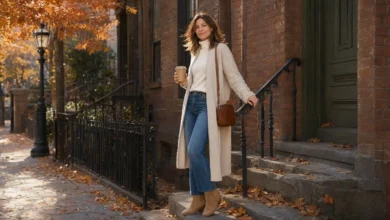
Winter in wine country calls for richer textures and full-length coverage. Dark wash, straight-leg denim woven from 12 oz sanforized cotton provides insulation against damp valley winds while maintaining a clean, tailored appearance. Pair dark jeans with a medium-weight cashmere crewneck and water-resistant leather ankle boots featuring rubber lug soles. A structured wool coat or trench adds sophisticated structure when walking between estate buildings.
4. Vineyard Bachelorette or Event: Silk-Blend Slip Dress and Tailored Blazer
For celebratory group visits or evening dinner events, an ankle-length silk-blend slip dress in a jewel tone or deep floral pattern sets a festive tone. To keep the delicate fabric grounded and appropriate for a vineyard, throw a structured double-breasted blazer over your shoulders. Choose closed-toe leather mules or low block heels to ensure you can walk confidently across cobblestone courtyards without catching your hem or sinking into lawn turf.
Fabric Selection and Color Logic for Vineyard Environments
Choosing the right textile construction is just as important as selecting the right silhouette. Lightweight woven poplin ranging between 110 and 130 GSM and breathable linen blends allow air to circulate freely during hot summer tastings. For detailed guidance on identifying heat-smart textiles, our guide to the 5 Best Fabrics for Hot Weather details how material density impacts breathability.
Color selection also requires practical thought. White and pale cream fabrics offer classic aesthetic appeal, but they carry a high risk of permanent red wine stains if a glass drips or spills during a crowded pour. Earthy neutrals like terracotta, olive, warm taupe, navy, and deep burgundy complement the vineyard landscape naturally while hiding dust and accidental drips much better than pristine pastel cottons.At a Glance: Vineyard Casual vs. Standard Smart Casual
- Vineyard Casual: Prioritizes low block heels or flat soles for gravel, 120 to 160 GSM natural fibers, dark or earth-toned palettes, removable jacket layers for 55°F cellar caves, and zero synthetic fragrance.
- Standard Smart Casual: Allows stiletto heels, thin synthetic knits, delicate pastel silks, structured single-layer dresses, and personal perfumes suited for indoor urban dining.
Footwear and Handbag Selection for Vineyard Grounds
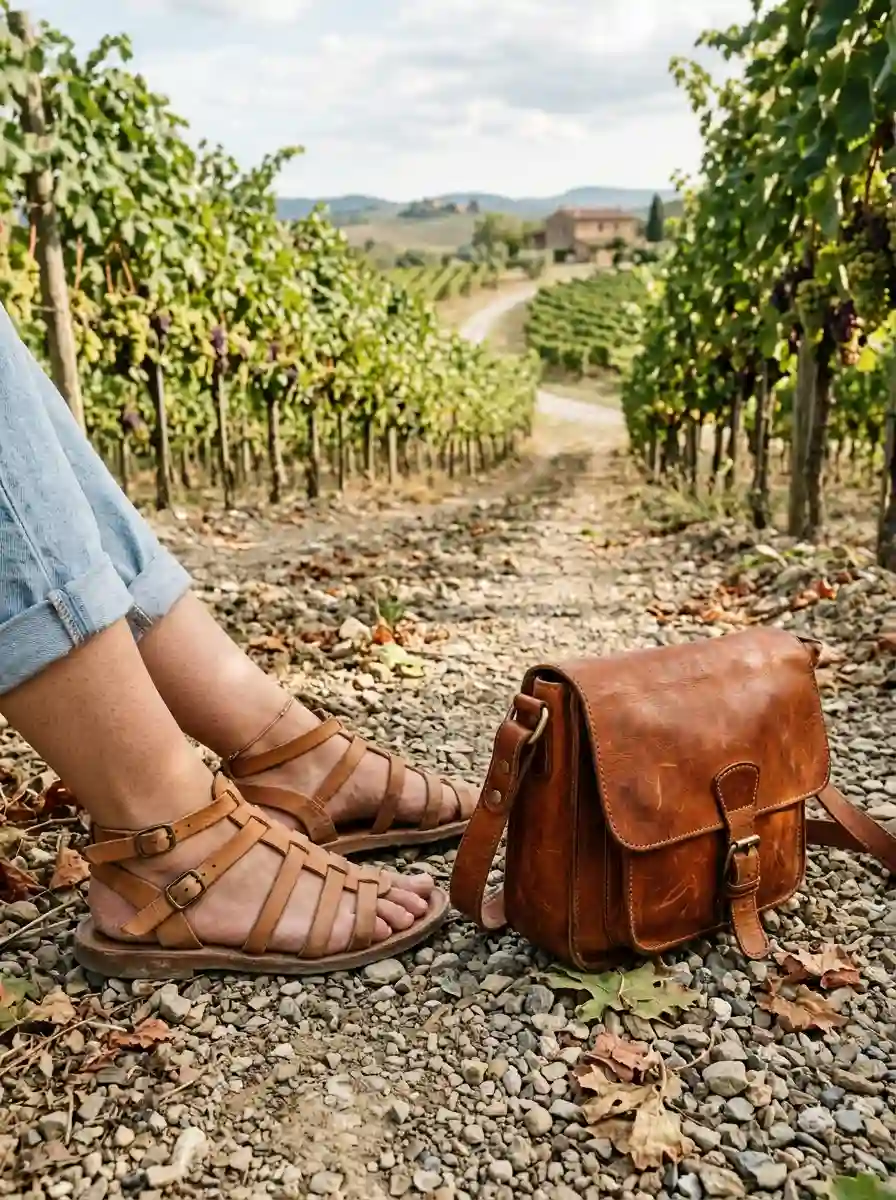
Your shoe choice determines your physical comfort for the entire day. Stiletto heels, thin metallic sandals, and unlined canvas sneakers represent the three worst footwear choices for a winery. Thin heels sink instantly into vineyard topsoil, delicate open toes collect gravel dust, and pale canvas absorbs wine drips permanently. Instead, choose leather loafers, lug-sole Chelsea boots, flat slides with cushioned footbeds, or low block-heeled pumps with a minimum heel width of two inches.
Handbag selection requires a hands-free design. Tasting events involve holding a stem glass, checking in with digital reservation passes, and sampling appetizers. A medium leather crossbody bag or structured shoulder tote with a secure zip top allows you to move freely without balancing a clutch under your arm.
| Vineyard Environment | Recommended Textile Weight | Optimal Footwear Choice | Key Layering Piece |
|---|---|---|---|
| Outdoor Summer Terrace | 130 GSM Linen Blend or Cotton Poplin | Flat Leather Slides or Jute Block Wedges | Lightweight Cotton Kimono or Linen Shirt |
| Subterranean Barrel Cave | 180 GSM Modal or Fine Merino Wool | Closed-Toe Loafers or Leather Ankle Boots | Structured Blazer or Denim Jacket |
| Grass Lawn Tasting Area | 140 GSM Crepe or Rayon Blend | Low Lug-Sole Mules or Wide Block Heels | Knit Cardigan or Unlined Trench |
| Winter Estate Tasting Room | 12 oz Cotton Denim or Cashmere Knit | Water-Resistant Chelsea Boots with Rubber Tread | Tailored Wool Coat or Shearling Vest |
Scenario-Based Styling Guidelines
Depending on your exact itinerary, adjusting your outfit details ensures you look coordinated for specific vineyard activities.
If You Are Walking or Biking Between Tasting Rooms
When traveling between closely grouped estate tasting rooms along trail routes, mobility is your top priority. Choose tailored stretch-cotton shorts or wide-leg linen pants paired with clean leather sneakers featuring cushioned arch support. Crossbody bags with wide webbed straps distribute weight evenly across your shoulders, while a packable straw hat protects your face during sun exposure between stops.
If You Are Attending a Private Barrel Room Tasting
Private cellar tastings involve sitting in cool, ambient spaces for up to two hours while winemakers detail production methods. Opt for full-length trousers or a midi skirt paired with a soft sweater or tailored jacket. Bring a lightweight silk or cashmere scarf in your tote bag to protect your neck from persistent barrel room chill.
If You Are Packing for a Multi-Day Wine Country Vacation
When packing a suitcase for a three-day weekend in wine country, select a cohesive neutral color palette of cream, olive, navy, and tan. Pack two versatile bottom pieces, three interchangeable tops, one structured blazer, and two pairs of comfortable shoes. This allows you to mix and match outfit combinations effortlessly without overpacking bulky garments.
What Not to Wear: 4 Common Vineyard Oversights
- High Stiletto Heels: Narrow heels easily trap in timber decking, sink into wet lawn grass, and scratch delicate tasting room floors.
- Heavy Synthetic Fragrances: Strong scents overpower delicate wine aromas, interfering with olfactory evaluation during guided flights.
- Dry-Clean-Only Silk in Pale Colors: Unlined pale silk shows water spots, perspiration, and wine splatters instantly, making it impractical for outdoor farm settings.
- Single-Layer Outfits Without Outer Options: Wearing a sleeveless dress without a light sweater leaves you uncomfortably cold as soon as you step inside an air-conditioned cellar or shaded cave.
Frequently Asked Questions About Winery Outfits
Can you wear jeans to a winery?
Yes, dark wash denim in a straight-leg or relaxed cut is widely accepted at nearly all wineries. To keep the look polished, avoid distressed jeans with heavy rips or raw frayed hems, and pair your denim with a structured blouse, tailored blazer, or leather loafers.
What shoes should I wear to a wine tasting?
The best shoes for a wine tasting are flat leather sandals, refined loafers, low block heels, or clean leather sneakers. Look for footwear with textured rubber or leather soles that provide stability across gravel, grass, and uneven stone paths.
How dressed up should you be for a winery visit?
Most estate wineries operate under a “wine country casual” dress code, which sits between smart casual and casual elegance. Clean, well-fitted separates such as a linen dress, tailored trousers, or a dark denim and blazer pairing strike the right balance without feeling overly formal.
Should I bring a jacket to a summer wine tasting?
Yes, bringing a light jacket, blazer, or cardigan is recommended even during peak summer. Wine cellars and underground barrel rooms are kept cooled to 55°F year-round, creating a sharp temperature contrast from outdoor tasting patios.
Last Words
Building stylish winery outfits does not require a completely separate wardrobe or high-maintenance clothing. By pairing breathable natural fabrics with stable footwear and versatile layering pieces, you can enjoy a full day of wine tasting in complete comfort. Focus on functional details like dark stain-resistant tones, hands-free crossbody bags, and fragrance-free grooming so you can relax and focus on the vineyard experience.
SOURCES
Official Sources:
- Visit Napa Valley: What to Pack and Wear in Napa Valley, Access Date: August 4, 2026.
- Visit Napa Valley: What to Wear for a Winter Visit to Napa Valley, Access Date: August 4, 2026.
- Visit Napa Valley: Wine Tasting Tips in Napa Valley, Access Date: August 4, 2026.
Industry Sources:
- Forbes: What to Wear to a Winery – Easy, Stylish Outfit Ideas for 2026, Access Date: August 4, 2026.
- Sonoma Wine Rides: What to Wear Wine Tasting in Sonoma & Napa, Access Date: August 4, 2026.
- Roche Winery: What to Wear While Wine Tasting in Sonoma, Access Date: August 4, 2026.