How to Transition Your Summer Wardrobe to Fall: The Layering and Fabric Guide
The retail calendar treats the arrival of September like a style emergency that requires a wholesale closet purge. Every year, commercial directives urge people to clear out their warm-weather rails immediately to make room for heavy wools, thick shearling, and entirely new seasonal purchases.
Real life operates on a much more erratic timeline. High summer temperatures rarely drop into crisp autumn conditions overnight. Instead, the transitional season brings volatile shifts between cool mornings and warm afternoons. Not a welcome environment for dense knitwear.
Mastering how to transition summer to fall is not a matter of buying a new collection, but rather an exercise in strategic fabric mixing and calculated proportion shifts that keep your existing closet functional through shifting climates.
Knowing how to transition summer to fall relies on keeping highly breathable bases, like cotton poplin or fine rayon, closest to your skin while adding structured outerwear anchors. Swapping open sandals for leather loafers and substituting straw accessories with heavy leather finishes grounds your lightweight staples for erratic, transitional micro-climates without overheating.
The Transitional Climate Reality: Bridging the Late-Summer Shift
Dressing for early autumn presents a distinct structural challenge due to regional micro-climates. A morning commute might start in 60-degree dampness, while the return trip occurs in 80-degree direct sunlight. Industry publications like Harper’s Bazaar India note that transitional dressing relies on lightweight layering bases worn underneath structured outerwear to navigate these exact daily temperature swings.
Your skin dictates the success of this layout. Committing to heavy flannel or dense knits too early causes discomfort by mid-afternoon. The balanced choice relies on utility: retaining the relaxed fit of your summer shirts or the fluid drape of a midi skirt, then framing those shapes with clean, structural anchors that signal autumn without trapping body heat. Proportions remain balanced, even when the thermometer spikes.
Fabric and Color Dynamics: The Visual Architecture of Early Autumn
The fastest way to signal a change in season without overheating is to manipulate the sensory weight of your clothing. You do not need the thermal protection of heavy cloth yet, but your outfit should look anchored rather than floaty. This visual shift relies on two variables: introducing dense textures and grounding your color choices.
Swapping Textures: Balancing Fluid Linens with Structured Suede
Transitioning into autumn requires balancing opposing textile properties. Summer fashion leans on fluid, open weaves that allow air to circulate freely. Autumn style relies on materials that hold a defined line. You can easily keep a tissue-thin top or a fluid tank in rotation if you pair it with a heavy bottom or a structured top layer.
A crisp cotton poplin shirt acquires an immediate autumnal context when styled alongside a heavy denim skirt or a brushed texture. Harper’s Bazaar US identifies rich suede textures, earth-toned jackets, and stone elements as the defining luxury-coded texture pivots for the current season. Suede carries a matte surface that absorbs light, making it look visually heavier than the lustrous, light-reflective fabrics of July. Mixing these elements allows you to maintain the comfort of a breathable base while projecting the deliberate architecture associated with autumn dressing.
This juxtaposition draws directly from long-standing understated luxury principles, which dictate that visual interest comes from the quality and contrast of materials rather than loud branding. To build a cohesive wardrobe that utilizes these high-texture dynamics across every season, exploring the tenets of a curated Quiet Luxury Style Explained helps isolate which fabrics communicate quality through their weave alone.
Modifying the Matrix: Anchoring Brights with Deep Earth Tones
Color functions as a powerful seasonal shorthand. You do not need to pack away light summer garments, but you should change how they are framed. Common styling experience shows that introducing deep earth tones, such as rich burgundy, warm olive, deep cognac, mustard, and dark espresso, seals a summer piece into an early autumn framework.
A bright white top or a light pastel skirt feels grounded when paired with a deep espresso jacket or olive tailored trousers. The visual contrast prevents the light summer piece from looking stranded in a cooler month. The strategy is to let the darker tone occupy the outer layer or the lower half of the body, creating a visual weight that anchors the entire outfit.
The Fabric and Color Shift Matrix
| Summer Base Component | Autumn Texture Upgrade | Anchoring Color Coordinate | Proportional Strategy |
| Linen Blend tank | Structured wool-blend blazer | Deep olive or espresso brown | Keep the base tailored; layer the structured blazer open to allow airflow. |
| Satin slip dress | Chunky cotton-rib knit sweater | Rich burgundy or oxblood | Pull the relaxed fit sweater over the dress to convert the skirt into a fluid midi layer. |
| Cotton Poplin button-down | Brushed suede utility jacket | Cognac or warm stone tones | Wear the shirt unbuttoned over a light tank, letting the matte suede provide a frame. |
Actionable Layering Formulas: How to Transition Summer to Fall
The mechanics of layering require a strict hierarchy of material weights. The traditional mistake is stacking items of similar density, which results in restricted movement and bulky shapes. When planning how to transition summer to fall using your current closet, treat your summer garments as the core foundation, building outward with increasing textile structure.
The Under-Layer Mechanics: Utilizing Slim Tissue Turtlenecks
A highly effective strategy for extending the lifespan of summer dresses and sleeveless tops is the under-layer method. Instead of focusing solely on what goes over a garment, consider what can sit beneath it. A very fine, breathable cotton or modal tissue turtleneck acts as a structural canvas.
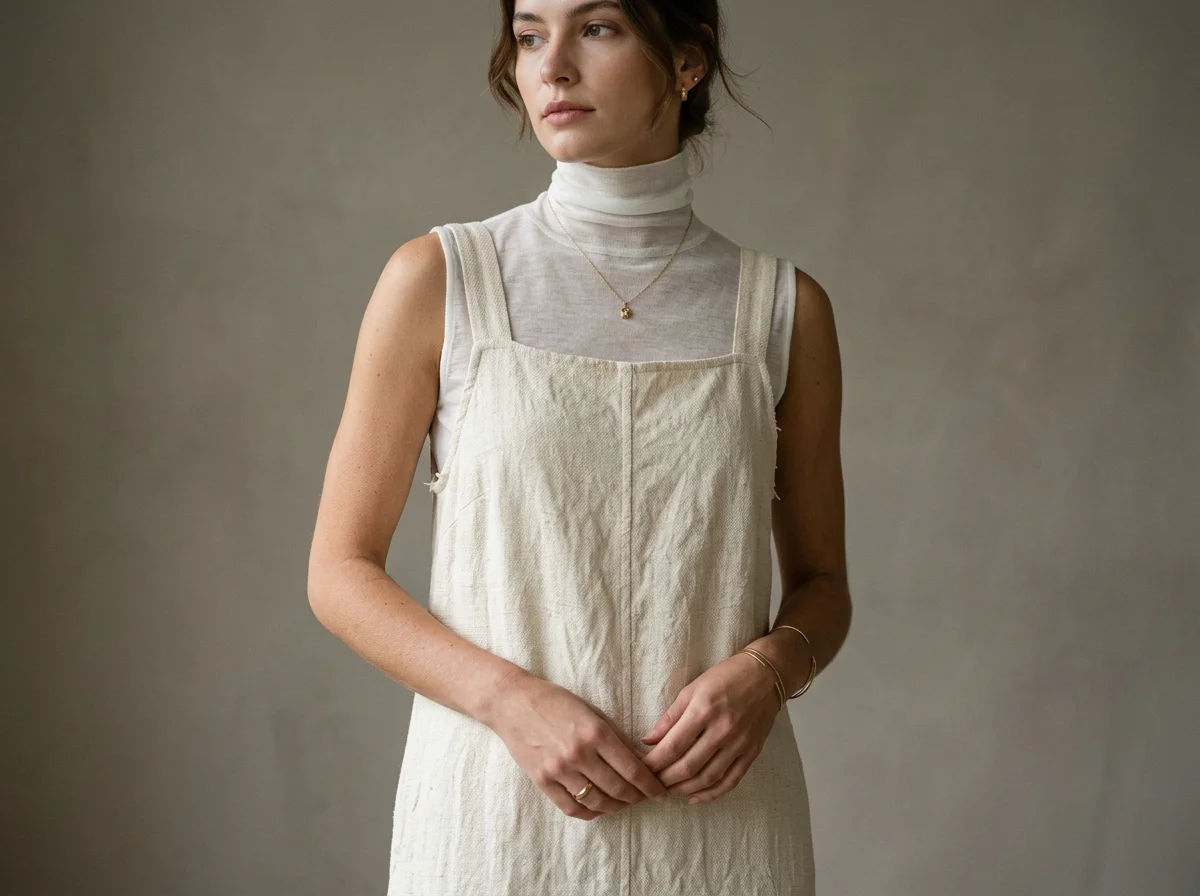
When you slide a slim fit turtleneck under a linen blend tank dress or a deep V-neck poplin shirt, you instantly shift the seasonal context of the look. The base dress retains its fluid movement, but the added coverage at the neckline and arms prepares it for cooler air. This method works beautifully with a summer maxi dress or a tailored jumpsuit, transforming an open silhouette into a layered statement without creating lumps beneath the waistline.
The Outerwear Anchor: Deploying Structured Blazers and Cardigans
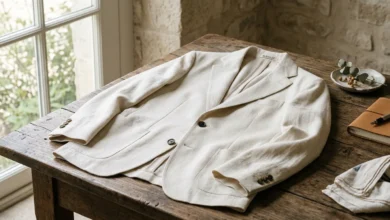
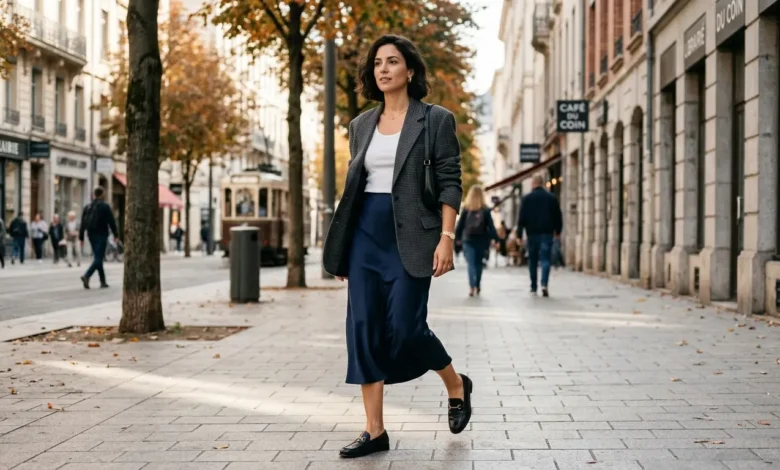
Outerwear is the definitive tool for reshaping a summer outline into a professional, early autumn look. A fluid summer base, like a silk satin camisole paired with a straight fit denim skirt, gains instant authority when layered under a structured blazer featuring a clean shoulder line.
[Summer Base Piece]
       ↓ (Add)
[Slim Under-Layer / Tissue Knit] (If extra warmth is needed)
       ↓ (Frame with)
[Structured Outerwear Anchor]
       ↓ (Complete via)
[Closed-Toe Footwear Conversion]
To execute this transition smoothly without accumulating excess items, you can follow a clear, three-phase styling blueprint:
- Select the Fluid Base: Choose a lightweight summer staple, such as a fluid rayon slip skirt or a relaxed fit cotton poplin blouse, ensuring it fits comfortably without binding.
- Introduce the Mid-Layer Frame: Add an open, fine-knit cardigan with a drop shoulder for a soft casual mood, or select a sharply tailored blazer to step into a professional setting.
- Calibrate the Proportions: Ensure the hemline of your outerwear complements the bottom piece. A cropped, structured jacket pairs cleanly with high-waisted wide-leg trousers, while a longline blazer beautifully frames a midi length hemline.
This systematic rotation of foundational coordinates aligns closely with an interchangeable capsule wardrobe methodology, which emphasizes purchasing versatile, high-quality items that stack predictably across multiple seasons to reduce impulsive buying habits.
Grounding the Outfit: The Footwear and Accessory Switch
An outfit can consist entirely of summer fabrics, yet it will look completely prepared for autumn if the extremities are styled correctly. Footwear and bags act as the visual punctuation marks of an outfit. Leaving beach-coded items in rotation during September creates an unresolved clash, whereas updating these accessories completes the seasonal pivot instantly.
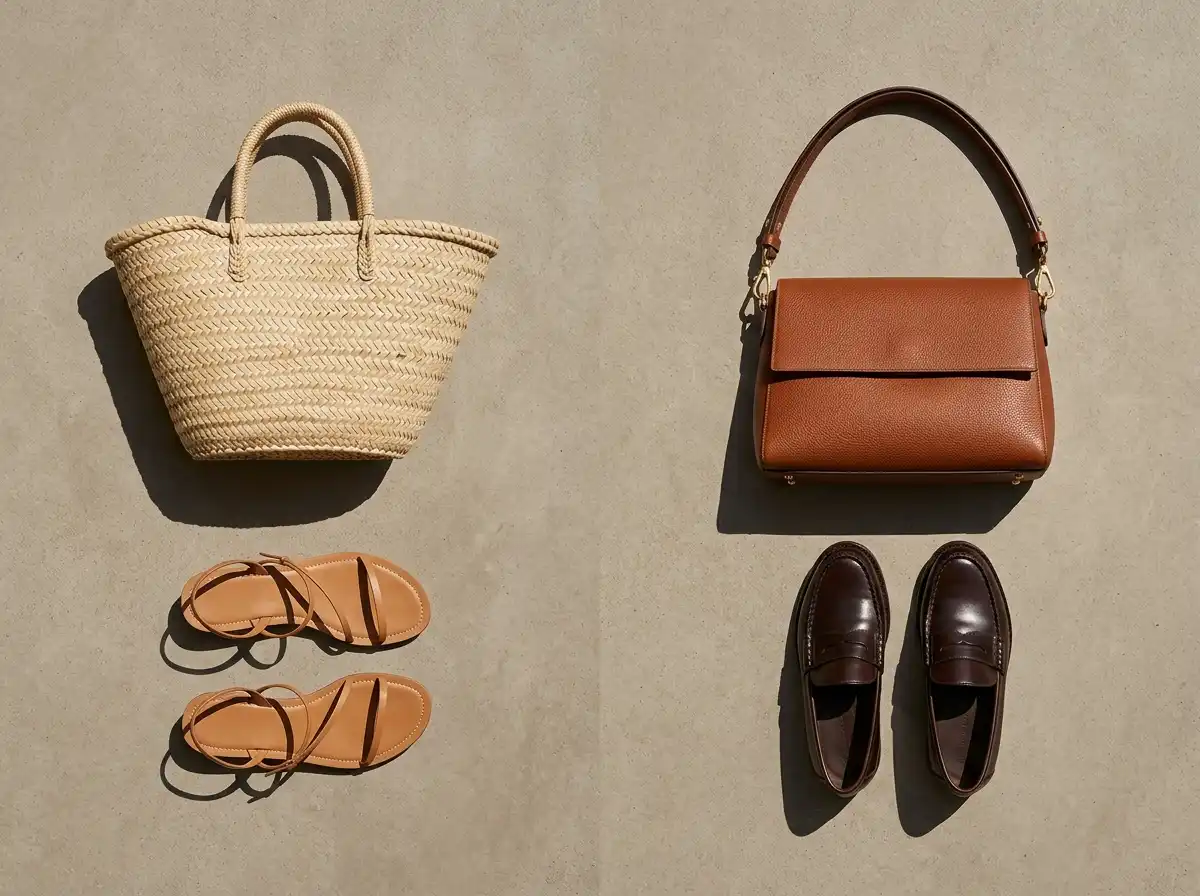
Closed-Toe Conversion: Exchanging Sandals for Loafers and Mules
The most direct signal that summer has concluded is the retirement of open-toe footwear. Swapping flat sandals for structured closed-toe options instantly shifts an outfit into an early autumn context. Tailored leather loafers, clean mules, and low-heeled ankle boots add an element of weight that balances lightweight fabrics like crepe or rayon.
For example, a fluid summer dress ending mid-calf feels floaty when paired with strappy sandals. That exact same dress becomes grounded and office-appropriate when styled with a structured leather loafer and a crew sock. The closed shoe provides a visual anchor, making the lightweight fabric above it look like a deliberate stylistic choice rather than a leftover from July.
Myth-Busting: The Truth About White Denim After Labor Day
The Obsolete Rule: For decades, rigid fashion dictums insisted that white denim must be completely retired after Labor Day, locking clean white trousers away until the following spring.
The Modern Reality: Modern styling frameworks completely discard this arbitrary boundary. White denim remains highly effective throughout autumn if you shift how it is anchored. A pair of regular fit white jeans looks entirely appropriate in mid-September when paired with a dense espresso cardigan, a heavy leather belt, and matching leather mules. The secret lies in removing the summer associations (tanks, flip-flops, bright corals) and replacing them with rich, light-absorbing textures that give the crisp white fabric a warm, deliberate frame.
Changing these foundational pieces allows you to maintain comfort while projecting a polished, weather-ready presence. For a complete look at the core items that make up these essential styling anchors, auditing your closet against a list of foundational wardrobe essentials ensures your wardrobe carries the necessary baseline elements before the weather turns.
The Structural Accessory Swap: Retiring Straw for Heavy Leather
Leaving a straw tote or a lightweight canvas bag in your daily rotation will compromise an otherwise well-calibrated transitional look. These materials carry an unyielding association with hot weather. Common styling consensus demonstrates that swapping these textures for smooth leather, heavy grain hides, or rich suede alters the mood of the entire silhouette.
A structured leather shoulder bag or a deep cognac crossbody introduces a seasonal anchor, even if you are still wearing a lightweight linen shirt. Over time, semi-synthetic fibers like modal or fine rayon blends occasionally experience surface pilling if subjected to the repeated friction of a heavy, unlined suede bag. Opting for a smooth, finished leather strap avoids this small wear nuisance while keeping the visual transition pristine.
Wardrobe Preservation: Maintenance and Pre-Storage Care
A successful seasonal transition requires looking after the garments that are entering hibernation. Packing away summer items while they carry residual heat, sunscreen oils, or invisible moisture will lead to fabric degradation, yellowing, and potential moth damage during the winter months. Taking the time to properly audit and clean your warm-weather pieces ensures they return in pristine condition next spring.
Pre-Hibernation Closet Checklist
- Execute a Final Wash Pass: Launder every summer piece before storage. Invisible oils from skin care products or perspiration can oxidize over time, turning into stubborn yellow stains after months in a dark box.
- Audit for Repairs: Inspect seams, loose buttons, and zippers on your linen blend and poplin items. Fix these minor structural flaws now so the clothes are ready to wear immediately next year.
- Choose Breathable Containers: Store delicate silk satin, rayon, and crepe items in breathable fabric garment bags or cotton storage bins. Avoid airtight plastic containers, which can trap ambient moisture and encourage mildew growth.
- Introduce Natural Protectors: Place cedar blocks or lavender sachets inside your storage containers. These options deter pests naturally without leaving the chemical odor associated with traditional mothballs.
- Store in a Climate-Controlled Zone: Keep storage boxes in a cool, dry closet rather than a damp basement or an uninsulated attic, preventing extreme temperature fluctuations from weakening natural fibers.
FAQs
Can I wear white denim after Labor Day?
Yes. Shift its anchors away from summer pairings by layering with deep earth-toned cardigans, rich suede textures, and closed-toe leather mules.
How do I layer summer items without looking bulky?
Use a strict material weight hierarchy. Place fine tissue-weight cotton or modal items close to the skin as under-layers, then frame outwards using high-structure blazers or unbuttoned utility cardigans.
When should I officially stop wearing summer sandals?
As soon as daily low temperatures consistently drop below 60 degrees Fahrenheit, switch to closed-toe options like loafers or mules to balance lighter base fabrics visually.
Sources
Official Sources
- The Wardrobe Consultant | Fall-ify Your Wardrobe: How to Wear Your Summer Pieces into the Fall | https://www.thewardrobeconsultant.com/blog/fall-ify-your-wardrobe-how-to-wear-your-summer-pieces-into-the-fall | Access Date: July 19, 2026 | Tier 1
Industry Sources
- Harper’s Bazaar India | Here’s How Transitional Dressing Can Help Prepare Your Wardrobe For Fall | https://www.harpersbazaar.in/fashion/story/heres-how-transitional-dressing-can-help-prepare-your-wardrobe-for-fall-688543-2023-10-03 | Access Date: July 19, 2026 | Tier 5
- Harper’s Bazaar US | Fall Fashion Trends 2026 | https://www.harpersbazaar.com/fall-fashion/ | Access Date: July 19, 2026 | Tier 5
- Charlie B Collection | How to Pull Off the Summer-to-Fall Transition: Outfits, Fabrics, and Smart Styling Tips | https://www.charliebcollection.ca/blogs/news/how-to-pull-off-the-summer-to-fall-transition-outfits-fabrics-and-smart-styling-tips | Access Date: July 19, 2026 | Tier 5
- Miik | How to Transition Your Wardrobe from Summer to Fall | https://www.miik.ca/blogs/news/how-to-transition-your-wardrobe-from-summer-to-fall | Access Date: July 19, 2026 | Tier 5
- An Indigo Day | 5 Ideas to Take Your Summer Outfits Into the Fall | https://anindigoday.com/5-ideas-to-take-your-summer-outfits-into-the-fall/ | Access Date: July 19, 2026 | Tier 5