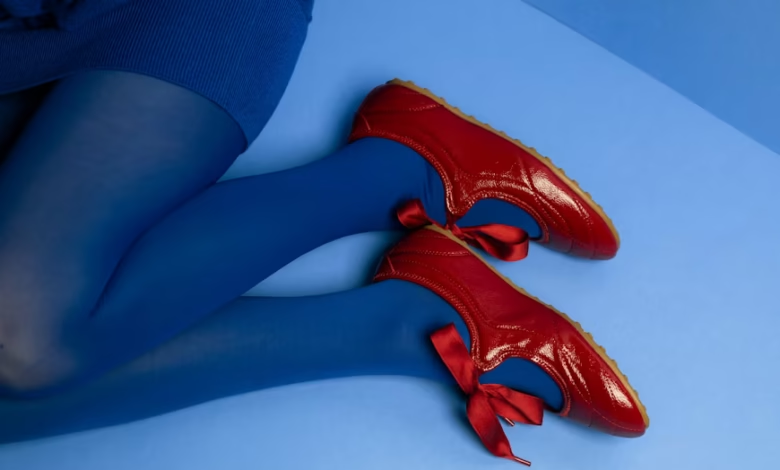
Balletcore showed up on runways with tulle skirts and ribbon-tied heels, then showed up on your feed a week later as something else entirely: a wrap cardigan, a pair of straight trousers, and flats you could genuinely wear to sit at a desk for eight hours.
Both get filed under balletcore everyday outfits, and that overlap is where most of the confusion starts. One version photographs beautifully for a single afternoon. The other has to survive a Tuesday, a rainy commute, and a closet that already has bills to pay.
The difference matters because the two versions call for different pieces, different budgets, and a different level of commitment. A tulle skirt is a costume with excellent styling behind it. A well-made ballet flat is a shoe you will still be wearing long after the trend name changes.
This also is not balletcore’s first pass through mainstream closets. Kate Moss wore pink ballet slippers around Primrose Hill back in 2006, and a good portion of London went looking for their own pair within the month. Ferragamo and Simone Rocha both leaned into a softer, dance-inspired mood for their spring 2025 runway shows, part of why some fashion trends settle into permanent rotation while others fade after one social media cycle.
Balletcore works as a daily outfit formula in four moves: pair one romantic piece, a wrap top, a satin camisole, or a ballet flat, with something structured or neutral so the look does not read as costume. Spend real money on whichever piece gets worn most, which is almost always the flats. Keep tulle skirts and full dance-inspired pieces for occasions rather than daily rotation. Treat pastel color and ribbon detail as one accent per outfit, not the entire look.
Where the Ballet Flat Actually Comes From
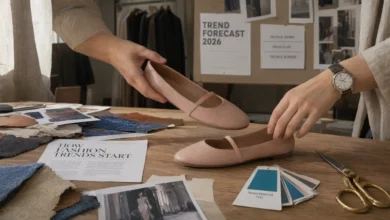
Rose Repetto opened her small Paris workshop in 1947 to make dance shoes for her son, the choreographer Roland Petit. It took nearly a decade for that expertise to leave the studio. In 1956, at Brigitte Bardot’s request, Repetto adapted the construction of a pointe shoe into a street-ready flat called the Cendrillon, and the modern ballet flat as a piece of everyday footwear was born from that single request.
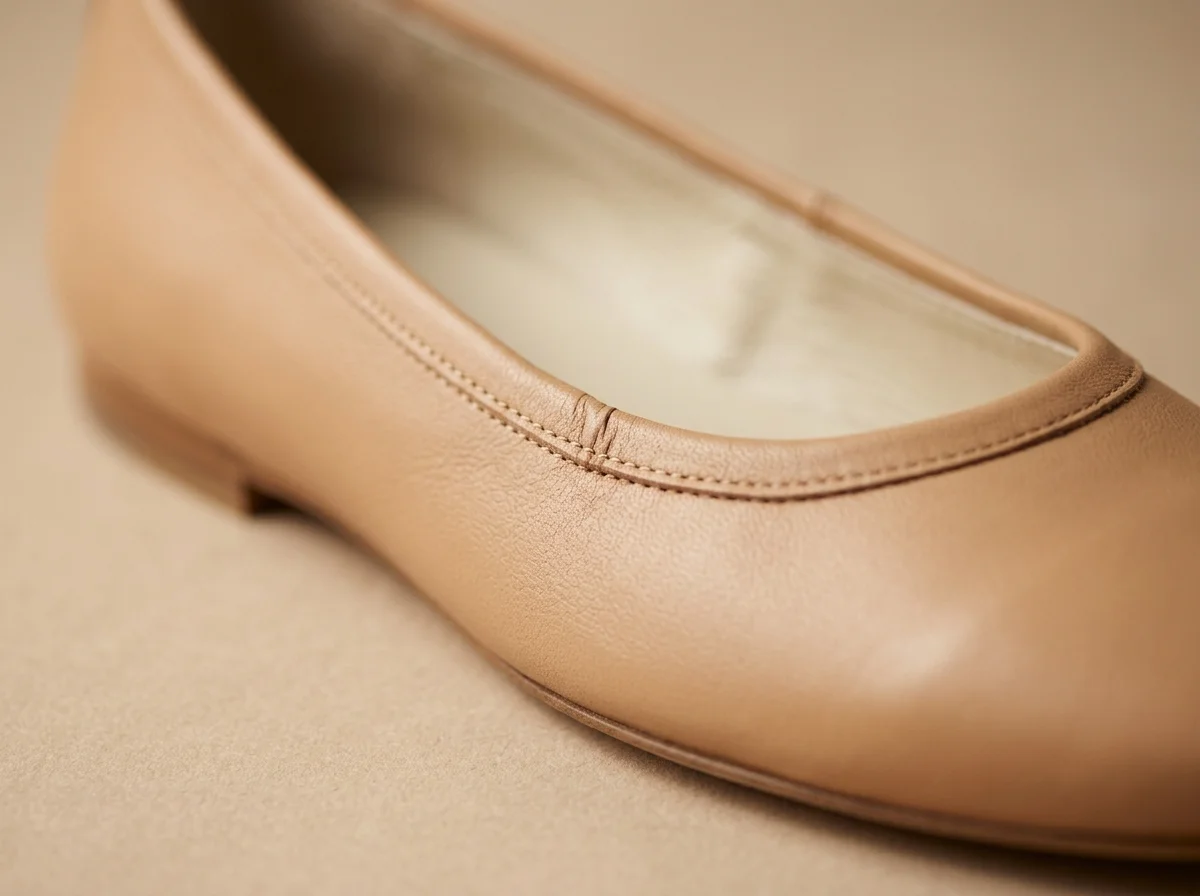
The shoes still use a method called stitch and return: the upper is sewn together inside out, then turned right side in, the same basic technique used to build actual pointe shoes. It is why a genuine ballet flat molds to the foot instead of sitting stiffly on top of it.
That history is worth knowing before you shop, because it explains why price differences in this category are not just brand markup. A Repetto flat built with that stitch and return method currently retails around 325 dollars. Chloé’s version runs closer to 575 dollars, The Row sits near 890 dollars, and Alaïa’s fishnet ballerina flat lands around 1,290 dollars.
The gap between a 325 dollar shoe and a mass-market 40 dollar lookalike is construction. The gap between a 325 dollar Repetto and an 890 dollar The Row is closer to brand positioning and material grade, which is a very different thing to pay for.
Why This Wave Feels Different From 2006
The Kate Moss moment was a single photograph that sent people shopping. This wave has an actual supply chain behind it. Sandy Liang launched her own footwear line in September 2022 with a Mary Jane style built on a pointe shoe silhouette, and the release sold out fast enough that the brand took preorders on restocks.
Her Fall 2023 runway show doubled down with new colorways of the same satin flat, and the trade press covered it as a turning point for the aesthetic moving from niche to mainstream rather than a single seasonal look. Her later heeled version, the Slingback 45, launched at 625 dollars with the same bow detailing that reads as ballet shorthand.
The celebrity spotting has kept pace too. Misty Copeland, the American Ballet Theatre principal dancer, wore a tutu-built David Koma gown to the 2026 Oscars, and it read as balletcore precisely because someone with real ballet credentials was wearing it. None of that changes what belongs in a work-week wardrobe, but it does explain why the aesthetic has more staying power than most trend-cycle names, and it lines up with the same signals worth checking before deciding whether a trend is worth building a wardrobe around. It has both a runway pipeline and a genuine dance-world reference point behind it.
At a Glance: Dressed-Up Balletcore vs. Everyday Balletcore
- Dressed-up leans on full skirts, tulle, and visible ribbon ties. Everyday leans on one soft piece balanced by tailoring.
- Dressed-up favors satin and tulle that need steaming and careful storage. Everyday favors leather, wool, and cotton blends that handle a normal week.
- Dressed-up treats pastel as the whole palette. Everyday treats pastel or ballet pink as a single accent against neutrals.
- Dressed-up is built around one standout piece for a single event. Everyday is built around a shoe and a top that get worn on repeat.
The Four Pieces That Actually Carry the Look
The One Romantic Piece
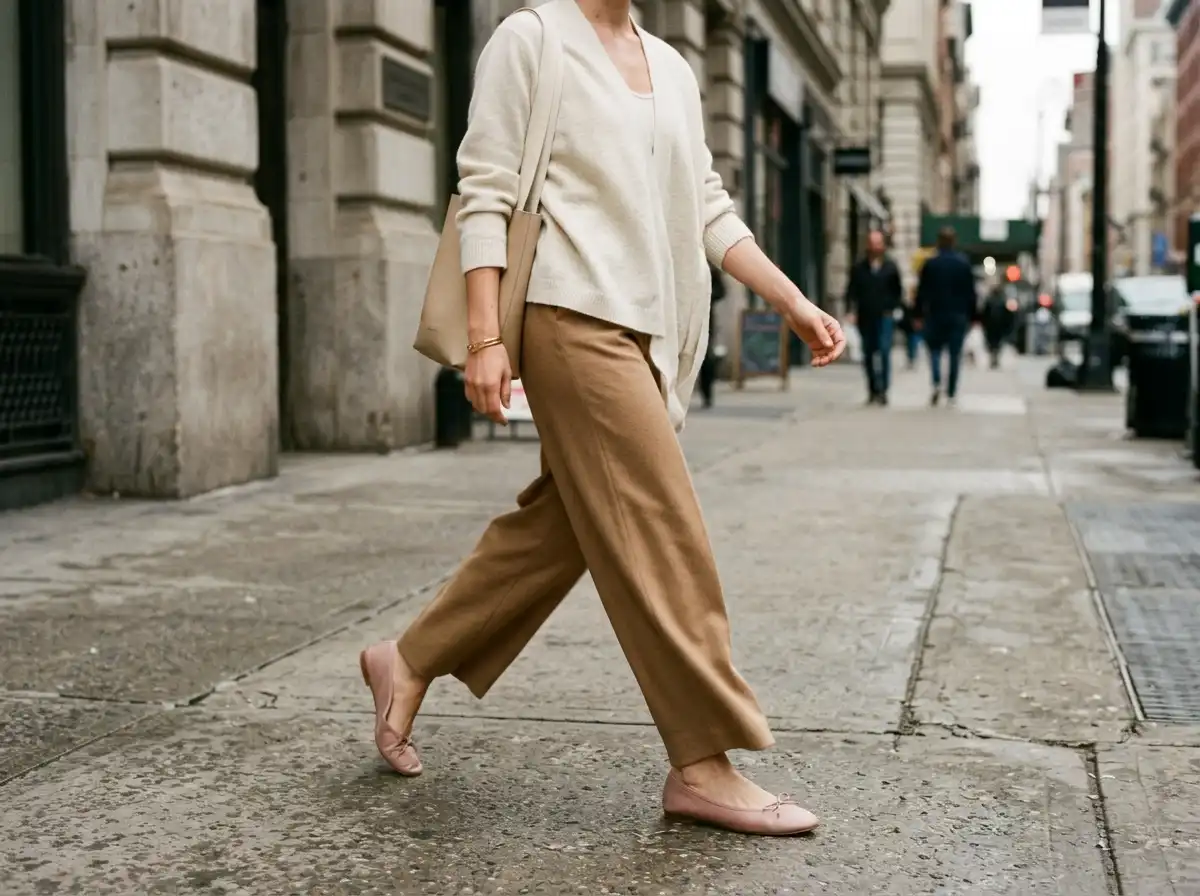
Pick a single soft element and let it do the talking. A wrap cardigan in a lightweight wool, a leotard-style bodysuit worn under a blazer, or a camisole in a real silk satin all do this job without turning the outfit into a costume. The mistake is stacking two or three of these at once, a tulle skirt with a bow blouse and ribbon flats reads as dress-up rather than dressed. One soft piece against everything else being plain reads as intentional.
The Structured Anchor
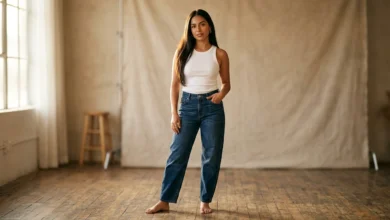
Wide-leg trousers, a straight midi skirt, or a tailored blazer gives the soft piece something to push against. This is the same logic that made oversized blazers work over slip dresses a few seasons back, and it follows the same rule that governs how to mix textures in an outfit more generally: contrast is what keeps a soft silhouette from looking undone. Straight-leg denim also works here, particularly with a wrap top, since the stiffness of the denim balances the drape of the top.
The Shoe
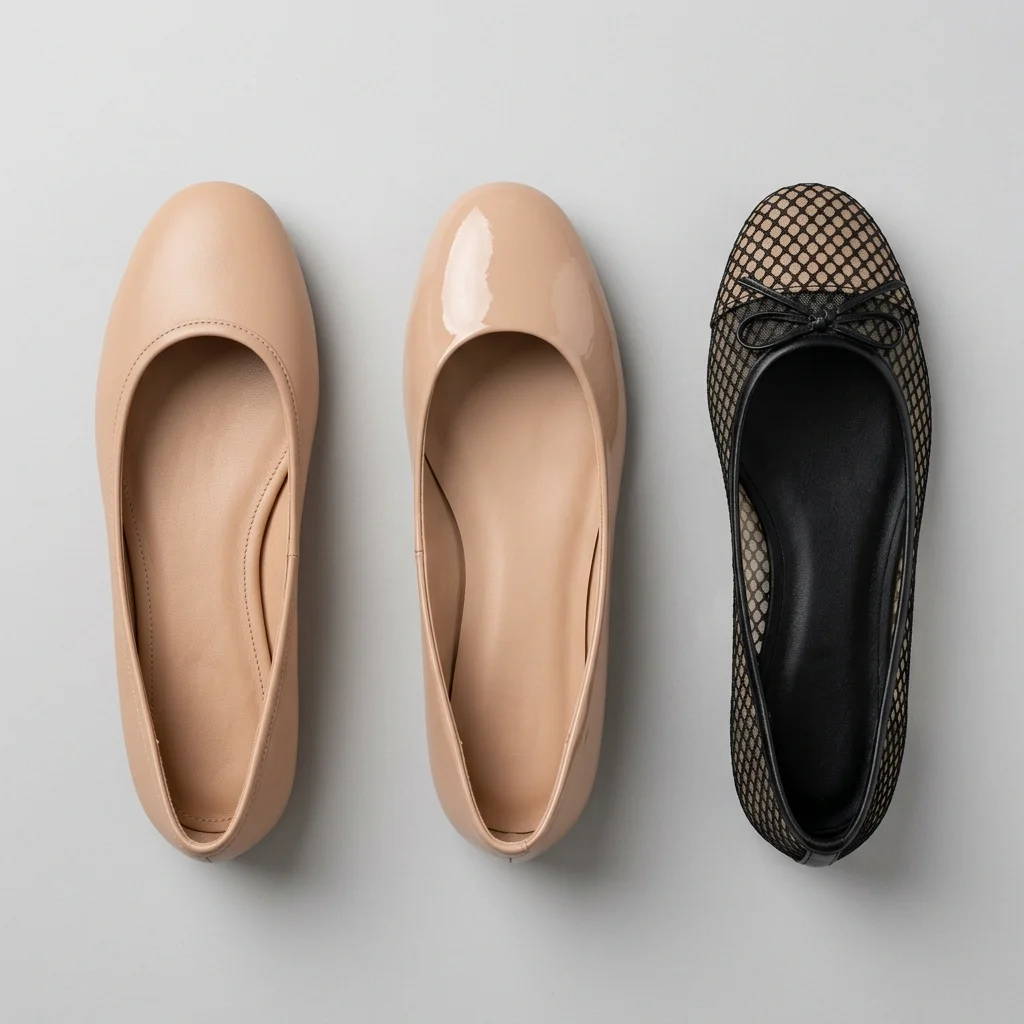
This is where it is worth spending real money, since a daily shoe gets more wear than almost anything else in a working wardrobe. The table below breaks down where common price points actually land and why.
| Price Range | What You’re Paying For | Example | Best Suited For |
|---|---|---|---|
| Under 60 dollars | Bonded sole, synthetic upper, minimal arch support | Fast-fashion ballet flat | Testing whether the silhouette works for you before committing further |
| 150 to 350 dollars | Genuine leather upper, stitch and return construction | Repetto Cendrillon | Someone planning to wear the shoe multiple days a week for years |
| 550 to 900 dollars | Leather sourcing and finishing at a higher grade, brand positioning | Chloé or The Row ballet flat | Buyers prioritizing a specific house’s cut and detailing |
| 1,200 dollars and up | Specialty materials such as fishnet overlay, limited production runs | Alaïa fishnet ballerina | A once-in-a-while statement piece rather than a daily shoe |
The Accent
Leg warmers, a satin ribbon in the hair, or a small bow detail on a bag handle carry the reference without asking the whole outfit to commit. This is also the lowest-cost, lowest-risk way to try the aesthetic before buying anything structural.
Who This Isn’t For
Satin and tulle do not hold up well against humidity, rain, or a long commute, so anyone walking or biking to work in a climate with real weather will get more use out of the leather and wool version of this trend than the runway version.
A genuinely conservative office, one where closed-toe, low-key footwear is the unwritten rule, is not the place to introduce a visibly bow-adorned flat; save that detail for outside work hours and keep the office version down to a wrap sweater under a blazer. And if the pastel, soft-femininity mood does not suit your taste to begin with, there is no rule requiring anyone to adopt it.
Balletcore is a styling framework, not an obligation, and plenty of women are better served skipping it entirely and applying the same one-soft-piece-plus-structure logic to a different aesthetic.
Three Ways to Wear It Depending on Your Day
If You Bike or Walk to Work: Skip satin and tulle in favor of a leather ballet flat with real tread, and save any ribbon detailing for your bag or hair rather than your shoes. A knit leg warmer under straight trousers adds warmth without the practical problems of a full tulle skirt in wind.
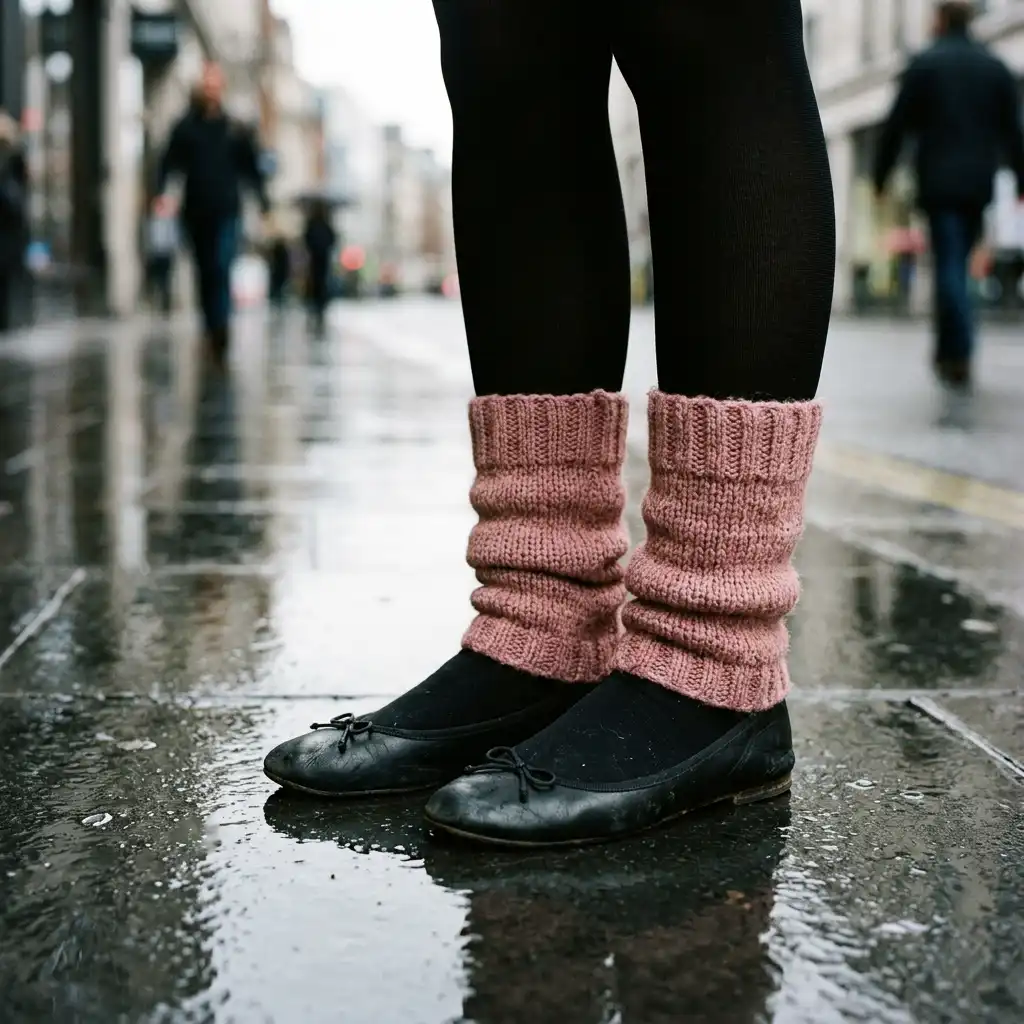
If You Want to Test the Trend Before Committing: Start with the accent pieces, a hair ribbon, a bow clip, a lower-priced flat, before investing in a leotard top or a higher-priced shoe. If the silhouette still feels right after a few weeks of wearing the low-commitment version, that is the signal to spend more on the shoe specifically, since it is the piece that gets worn most.
If Your Office Runs Conservative: Keep the romantic piece underneath something structured, a camisole under a blazer rather than worn alone, and let the shoe be the only visible nod to the trend. A plain leather ballet flat reads as simply a shoe choice to most colleagues, while a bow-covered satin version reads as a statement.
Frequently Asked Questions About Balletcore Everyday Outfits
Are ballet flats actually comfortable for a full day of standing or walking?
It depends heavily on construction rather than brand name. A genuine stitch and return flat with a leather upper molds to the foot over the first few wears and tends to hold up better over a full day than a stiff, bonded-sole version, though neither offers the arch support of a sneaker or a supportive loafer. Anyone on their feet most of the day should look for a cushioned insole insert regardless of which price tier they buy into.
What is the actual difference between balletcore and coquette?
Coquette leans harder into bows, lace, and an intentionally younger, more overtly girlish mood. Balletcore borrows some of the same softness but ties it specifically to dance references, wrap tops, leg warmers, satin flats, rather than to a broader nostalgic femininity. The two aesthetics overlap and are frequently styled together, but balletcore’s reference point is the studio, not a general throwback mood.
Can balletcore actually work in a conservative office?
Yes, if the romantic piece stays underneath tailoring rather than out front. A camisole under a blazer, a wrap cardigan over a plain shell, or a leather ballet flat with no bow detail all read as simply a personal style choice rather than a costume reference, even in a fairly buttoned-up workplace.
Why do some ballet flats cost 300 dollars or more when a similar-looking pair costs 40 dollars?
The construction method is the real difference. Higher-priced flats generally use genuine leather and a stitch and return build that is turned right side out by hand, the same approach used for real pointe shoes. Lower-priced versions are typically bonded together from synthetic materials, which keeps the price down but also shortens the shoe’s lifespan and reduces how well it molds to the foot over time.
Is balletcore actually going to stick around, or is it already fading?
The current wave has more structural support behind it than a typical single-season trend, including an actual footwear supply chain from designers like Sandy Liang and continued runway support from houses like Ferragamo and Simone Rocha. That does not guarantee it stays fashionable forever, few things do, but it does mean the core pieces, a good ballet flat and a wrap top, are versatile enough to keep earning wear even once the specific label falls out of use.
Last Words
The pieces worth actually buying into balletcore everyday outfits are the ones that would have earned their spot in a working wardrobe regardless of what the trend gets called this year: a properly constructed ballet flat, a wrap top that layers well, and the discipline to let one soft piece carry the whole look instead of five. Everything else, the tulle, the full ribbon styling, the head-to-toe pastel, belongs to the occasion version of this aesthetic and can stay there without anyone missing out on the parts that genuinely hold up to daily wear.
Sources
Industry Sources
- InvestedLuxury: Best Designer Ballet Flats, Honestly Reviewed and Ranked, accessed August 1, 2026
- Fashionista: Balletcore Meets Pageantcore at Sandy Liang, accessed August 1, 2026
- Footwear News (via Yahoo): Sandy Liang Releases Her Debut Heels with a Balletcore Twist, accessed August 1, 2026
- Stylist: How to Wear the Balletcore Trend, accessed August 1, 2026
- InStyle (via AOL): Misty Copeland Puts a Retro Spin on Balletcore at the Oscars 2026, accessed August 1, 2026