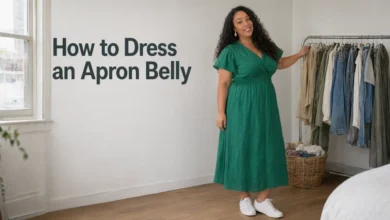

Standing in front of a mirror in a pair of thin stretch leggings or a bodycon dress, you might notice a distinct inward curve on the sides of your silhouette, located just between the top of your hip bone and the upper thigh. This indentation is often referred to as violin hips or hip dips. Trying to smooth over this natural dip with restrictive shapewear or low-rise waistbands often leads to frustration because the shape is defined by your underlying bone structure rather than muscle tone or body weight.
When learning how to dress violin hips, the objective is not to disguise or alter your frame, but to select garment cuts, fabric weights, and waistband heights that drape smoothly over your high hip. By understanding how fabric weight and silhouette geometry interact with your proportions, you can build outfits that feel comfortable, balanced, and intentional without battling your natural anatomy.
To dress violin hips effectively, focus on four garment construction principles: 1. Select high-rise or contoured mid-rise waistbands that anchor at the natural waist rather than sitting across the trochanteric dip; 2. Choose mid-to-heavyweight woven fabrics (such as 220 to 300 GSM ponte knit or 12 oz structured denim) that skim over concavities rather than clinging; 3. Opt for A-line skirts, fit-and-flare dresses, or wide-leg trousers that drape outward from the high hip; and 4. Use longline blazers or cardigans to create a continuous vertical line along the outer silhouette.
Understanding the Anatomy of Violin Hips (Trochanteric Depression)
Violin hips, anatomically known as trochanteric depressions, describe the natural indentation formed between the iliac crest (the top portion of your pelvic bone) and the greater trochanter (the prominent bony top of your femur). The distance between these two anatomical anchor points, along with the width of your pelvis and the angle of your femoral neck, determines how pronounced this curve appears. Because this outline is formed by bone placement, no amount of targeted exercise or dietary change alters the physical gap.
From a tailoring perspective, garments drape across violin hips in one of two ways. Thin, flexible fabrics with low tensile weight (such as 140 GSM rayon knits or lightweight jersey) fall directly into the space between the iliac crest and greater trochanter, accentuating the dip. Conversely, structured woven textiles (such as 250 GSM cotton poplin or heavyweight wool crepe) bridge the gap, maintaining their own architectural shape as they drape downward from the waist.
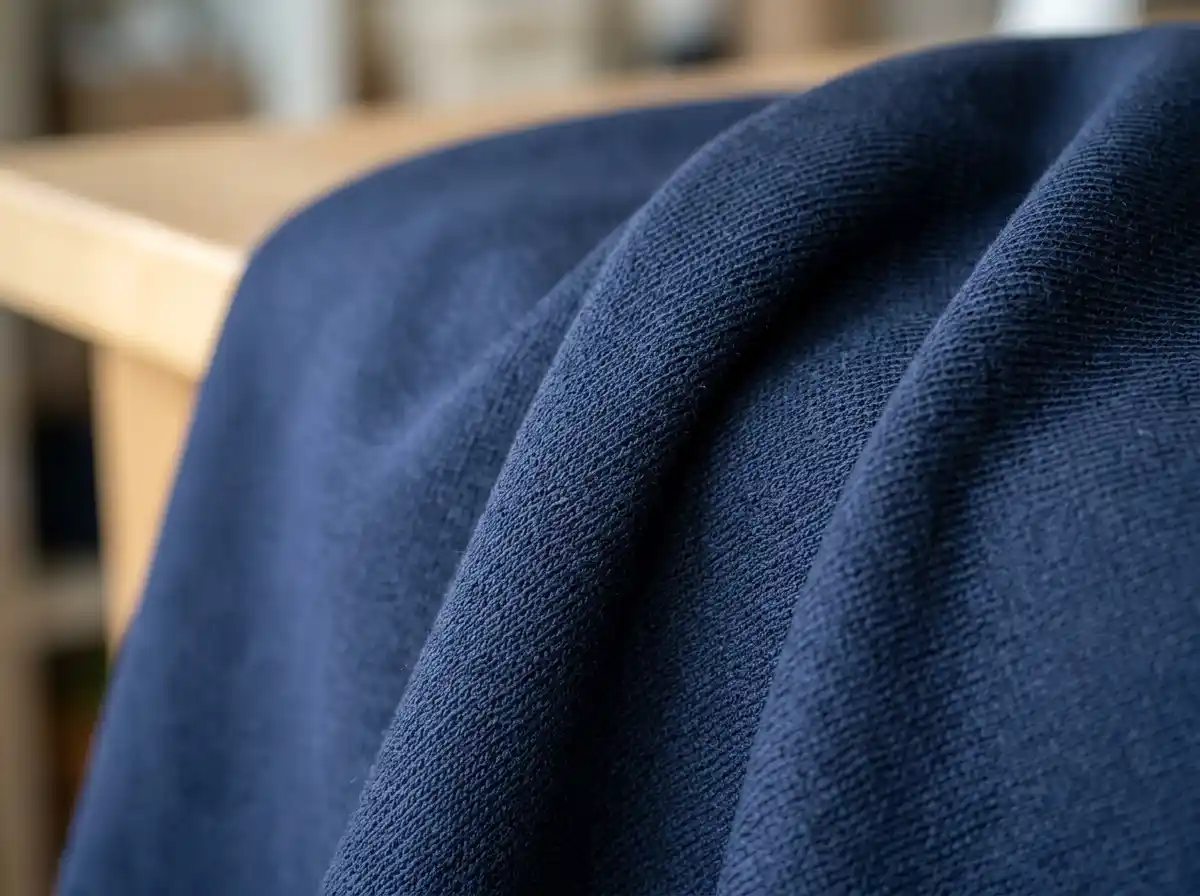
Recognizing this distinction changes how you evaluate clothes in a fitting room. Instead of searching for garments that compress your hips, you can prioritize pieces engineered with sufficient fabric density and structural flare to bridge the high-hip depression naturally.
4 Fit and Fabric Rules to Balance Violin Hips
Rule 1: Waistband Placement and Rise Mechanics
The height at which your pants or skirt waistband rests dictates where garment tension is applied across your lower body. Low-rise bottoms, which typically feature an 8-inch to 9-inch rise, sit directly across the trochanteric depression. Because the waistband presses into the soft tissue right at the narrowest point of the hip dip, it highlights the indentation and can create unwanted pinching or muffin-topping above the hip bone.
High-rise cuts, featuring a 10-inch to 11.5-inch rise, anchor firmly at your natural waist, which sits above the iliac crest. By securing the garment at the narrowest section of your torso, high-rise trousers allow the fabric to drape smoothly outward and down over the entire high-hip area without pressing into the dip. Brands like Levi’s and Everlane offer high-waisted denim cuts designed with contoured waistbands that curve slightly higher in the back, preventing waistband gapping while maintaining a clean front drop.
If high-rise cuts feel restrictive during long sitting periods, a structured mid-rise (around 9.5 to 10 inches) acts as a reliable middle ground, provided the waistband features a reinforced inner band that lies flat against the upper pelvis.
Rule 2: Fabric Weight and Drape Resistance (GSM Indices)
Fabric weight, measured in grams per square meter (GSM) or ounces per square yard, is the mechanical property that determines whether a garment skims or clings. Ultra-lightweight stretch knits under 180 GSM lack structural integrity. When worn closely against the skin, they yield to every contour, accentuating high-hip depressions.
To achieve a smooth line down the side of your legs, seek out mid-weight to heavyweight fabrics within the 220 GSM to 320 GSM range. Key fabric choices include:
- Ponte di Roma (240 to 280 GSM): A dense double-knit textile made from viscose, nylon, and elastane that offers firm structure with comfortable two-way stretch.
- Structured Cotton Poplin (130 to 160 GSM woven): A crisp, tightly woven fabric that holds its own shape away from the body, making it ideal for pleated A-line skirts.
- Heavyweight Denim (12 oz to 14 oz): Rigid 100 percent cotton or low-stretch denim (with 1 to 2 percent elastane) that spans across hip concavities rather than conforming to them.
- Wool Crepe and Heavy Viscose Blends (250 to 300 GSM): Tailoring fabrics that combine fluid drape with sufficient weight to hang vertically from the high hip down to the hem.
When shopping at retailers such as Madewell or Reformation, check garment fiber composition and material description tags. Selecting garments with substantial fabric weight ensures the material spans the gap between pelvic bone and thigh effortlessly.
Rule 3: Silhouette Architecture (A-Line, Fit-and-Flare, and Wide-Leg Cuts)
The overall silhouette of a dress or pair of pants determines how visual line moves across your body. Straight sheath dresses and narrow column skirts apply horizontal tension across the hips, which can draw attention to trochanteric dips. Instead, lean on garments engineered with diagonal or outward structural volume.
A-line skirts and fit-and-flare dresses are structured to nip in at the natural waist and gradually widen outward toward the hem. Because the volume begins above the iliac crest, the fabric flares over the hip dip without ever touching the indentation. Skirts crafted with a half-circle cut or deep inverted box pleats offer clean, sweeping lines that create proportional harmony. To explore how silhouette choices align with broader proportions, review our guide on How to Find Your Body Shape in 4 Simple Steps.
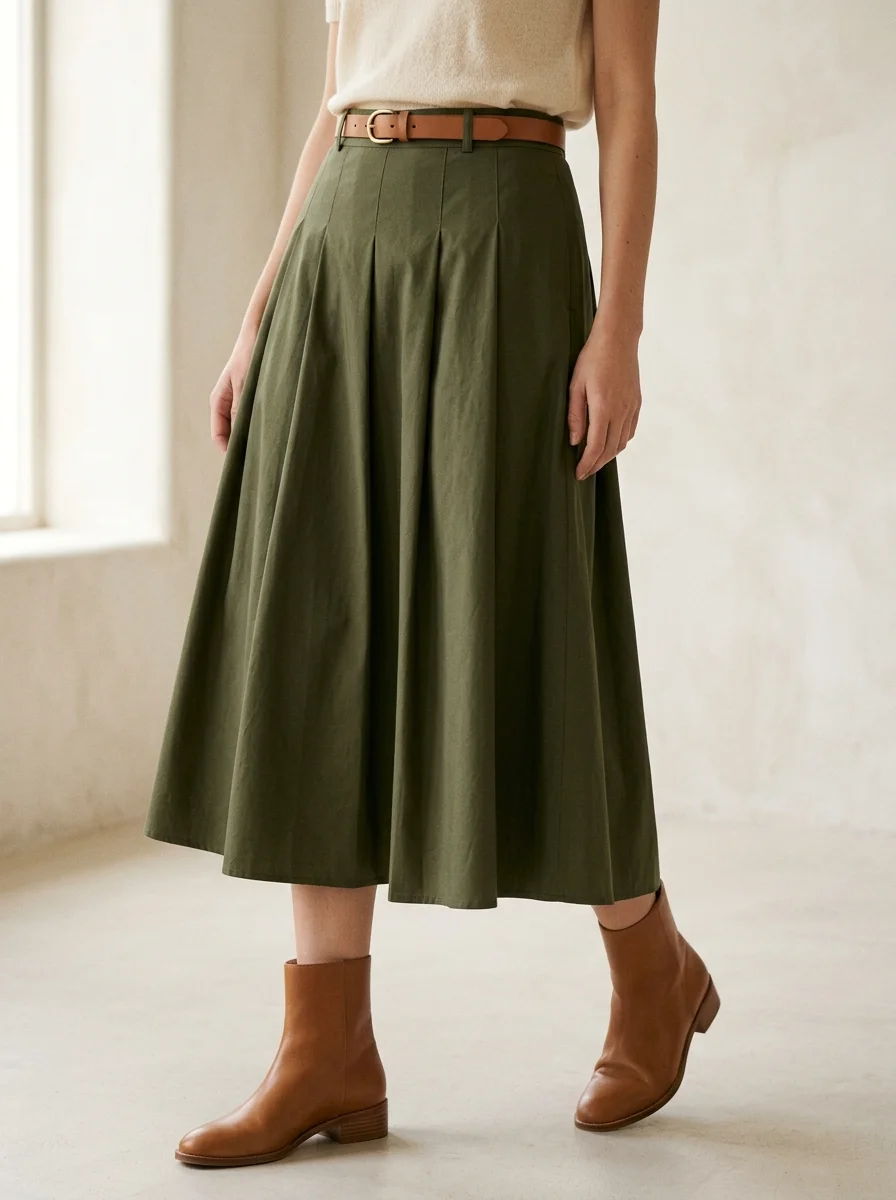
For trousers, wide-leg and relaxed tailored cuts provide a similar balancing effect. Pants featuring front pleats create intentional ease across the lap and high hip, allowing the trouser legs to drop straight down from the widest point of your hips. This linear vertical drop completely bypasses the dip, creating a sleek, elongated lower body profile.
Rule 4: Strategic Outerwear Layering (The Vertical Column Line)
Layering offers a simple way to adjust how visual lines move across your midsection without altering your base outfit. Short jackets that end exactly at the high hip (around 20 to 22 inches in length) draw a strong horizontal line directly across the trochanteric depression, calling attention to the dip.
Longline outerwear, such as mid-thigh blazers, oversized trench coats, and duster cardigans ending 3 to 6 inches below the hip joint, creates long continuous side lines. When worn open over a tucked-in top and high-waisted trousers, an unbuttoned blazer frames your torso while obscuring the side profile of the hips. If you prefer a more tailored approach to outer layers, read our recommendations in How to Dress for a Pear Body Shape: 4 Smart Strategies for advice on balancing shoulder width and hip volume.
Common Styling Pitfalls That Accentuate Hip Dips
Achieving a smooth silhouette often comes down to avoiding specific garment details that pull or press directly against the high hip area. Recognizing these common construction traps helps you make smarter choices when shopping:
- Thin Unlined Slip Dresses: Bias-cut silk or polyester satin dresses under 120 GSM cling closely to the torso and hips. If you love slip dresses, choose options lined with silk habotai or wear a smoothing woven slip underneath.
- Horizontal Seam Accentuation: Avoid skirts or pants with horizontal welt pockets, decorative zippers, or color-blocking bands positioned right across the high hip line.
- Tight Elastic Waistbands at the High Hip: Smocked skirts or pull-on pants with soft elastic bands resting 2 inches below the belly button naturally dig into soft tissue, creating artificial dip lines.
- Clingy Bodycon Knits: Fine rib-knit dresses crafted from thin acrylic or rayon blends stretch horizontally across the pelvis, emphasizing every concavity.
For more troubleshooting strategies on avoiding common silhouette mistakes, check our breakdown of 5 Common Body Shape Styling Mistakes and How to Fix Them.
Real-World Dressing Scenarios
If You Need Workwear That Skims the Hip Line
For formal or office environments, pair high-rise wide-leg wool trousers (260 GSM) with a crisp cotton poplin button-down tucked in at the natural waist. Layer a tailored single-breasted blazer that extends past the hip joint. Alternatively, opt for a structured ponte di Roma fit-and-flare dress paired with classic leather pumps. The dense ponte fabric holds its shape throughout long sitting periods while providing a professional, polished finish.
If You Want Casual Denim Without High-Hip Gapping or Clinging
When selecting everyday jeans, look for a 10.5-inch to 11-inch high rise crafted from 12 oz or 13 oz cotton denim with no more than 1 to 2 percent elastane. Straight-leg or subtle bootcut styles drop vertically from the high hip down to the floor, balancing your silhouette. Avoid ultra-stretch jeggings under 10 oz, which stretch thin across the pelvis and collapse into trochanteric depressions.
If You Are Dressing for Warm Weather or Special Events
In hot and humid weather, lightweight clingy fabrics can feel uncomfortable while sticking to the body. Choose midi dresses crafted from 150 GSM linen-cotton blends or crisp cotton broadcloth featuring an empire or natural waist seam and a flared A-line skirt. The structured linen blend breathes easily while holding its flared silhouette away from your hips, keeping you cool and comfortable.
Frequently Asked Questions About Dressing Violin Hips
Are violin hips the same as hip dips?
Yes, violin hips and hip dips are two terms for the exact same anatomical feature. The term violin hips comes from the slight inward curve on the sides of the body that resembles the waist indentation of a violin. Both terms refer to the natural space between the iliac crest of the pelvis and the greater trochanter of the thigh bone.
Can shapewear completely hide violin hips?
Shapewear can smooth soft tissue and prevent elastic waistbands from digging into the skin, but it cannot eliminate violin hips entirely. Because hip dips are caused by underlying skeletal structure, compression garments simply press soft tissue inward rather than filling in the bone depression. Garments with structured fabric weight and A-line cuts offer a more effective, comfortable solution than heavy shapewear.
Should you avoid skinny jeans if you have violin hips?
You do not need to avoid skinny jeans entirely, but construction details matter significantly. Skinny jeans made from thin, high-stretch denim (under 10 oz) will outline the hip dip clearly. If you prefer a fitted denim look, choose a high-rise pair in a 12 oz heavyweight denim with minimal stretch, or style your skinny jeans with a longline blazer or cardigan that covers the high-hip area.
What dress style is best for violin hips?
Fit-and-flare dresses and structured A-line dresses are the most flattering styles for violin hips. These silhouettes highlight the narrowest point of your natural waist and then flare outward over the hips, spanning across trochanteric depressions cleanly. Wrap dresses made from medium-weight woven fabrics also work exceptionally well.
Closing
Violin hips are a structural aspect of normal human anatomy, determined by the shape of your pelvis and thigh bones. Attempting to force clothing to alter this shape often results in discomfort and poor fit. By focusing on high-rise waistbands, mid-to-heavyweight fabrics within the 220 to 300 GSM range, and A-line or wide-leg silhouettes, you can create effortless outfits that drape beautifully over your high hip. Focus on garment construction and fabric quality, and your wardrobe will work with your body every day.
Sources
Official Sources
- Ubie Health: Hip Dips: Stop the Worry Now! Why They’re Normal Anatomy, Access Date: August 3, 2026
Research Sources
- Mirror Plastic Surgery Education: What Causes Hip Dips? Skeletal Anatomy, Genetics & Fixes, Access Date: August 3, 2026
Industry Sources
- Spandex by Yard: Fabric Weight & GSM Guide for Spandex, Stretch & Activewear, Access Date: August 3, 2026
- SELVANE: Cotton Weight and Fabric Drape: A Guide to GSM, Access Date: August 3, 2026