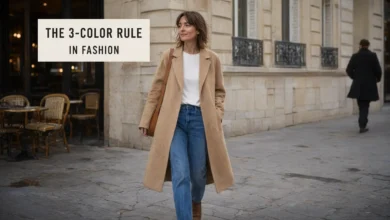
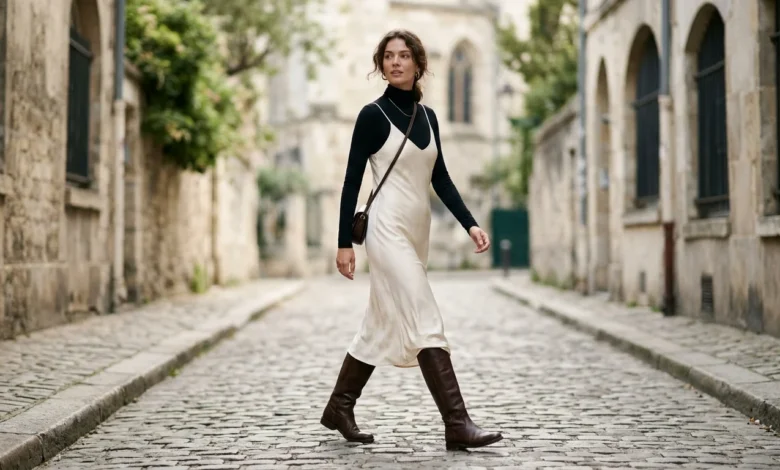
Transitioning a lightweight summer dress into cooler months often starts with a single foundational layer: a fitted turtleneck underneath. While the combination sounds straightforward, layering a high-necked top under a garment designed for warm weather introduces mechanical friction. Sleeve binding, armhole pulling, fabric bunching across the bust line, and distorted waistlines are common friction points when pairing incompatible textile weights.
A summer dress cut from silk satin, cotton poplin, or linen blend lacks the structural stiffness to mask thick knitwear. Layering a bulky sweater underneath pulls the armholes out of alignment and distorts the bodice drape. Achieving a clean, intentional finish requires matching the fabric weight of your turtleneck to the drape of your dress, adjusting neckline proportions, and balancing shoe volume.
Here is how to style a turtleneck under a summer dress without fabric distortion, bulk, or awkward proportion shifts.
How to Style a Turtleneck Under a Summer Dress
To style a turtleneck under a summer dress, follow a 4-step fit process: 1. Select a tissue-weight base layer between 120 and 150 GSM in modal, rayon, or extra-fine merino wool to avoid armhole bunching; 2. Match the dress neckline cut, pairing deep V-necks or sweetheart necklines with classic roll-necks and square necklines with mock collars; 3. Anchor waist proportions using a mid-weight leather belt or structured outer layer; 4. Balance the heavy high neck with grounded footwear like leather ankle boots, lug-sole loafers, or knee-high riding boots.
1. Match Textile Weights: Why Tissue-Weight Base Layers Matter
The primary reason a turtleneck layers poorly under a sleeveless or strap-based summer dress is excess material thickness. A standard cotton or heavy rib turtleneck usually weighs between 220 and 300 grams per square meter. When squeezed beneath a lightweight slip dress or cotton sundress, that fabric creates visible ridges, armhole gaping, and bulk around the armpits.
To keep the dress silhouette smooth, the base turtleneck must sit significantly lighter than the dress fabric itself. Ideal base layers range from 120 to 150 GSM. Materials like tissue-weight modal, rayon blends, and ultra-fine 17.5-micron merino wool offer coverage without adding rigid volume.
Retail options like the Everlane Luxe Rib Turtleneck or ultra-fine modal turtlenecks from Skims provide high elasticity and low surface friction. This low-friction finish allows silk slip dresses and rayon midi dresses to glide across the body without clinging to the underlayer.
| Turtleneck Material & Weight | Fabric Characteristics | Best Summer Dress Pairing
|
|---|---|---|
| Tissue Modal / Rayon (120-140 GSM) | Ultra-thin, cool hand-feel, high drape, body-hugging fit | Silk slip dresses, satin bias-cut midis, delicate spaghetti straps |
| Micro-Rib Cotton Blend (150-180 GSM) | Light structure, subtle vertical texture, moderate stretch | A-line linen sundresses, denim pinafores, structured poplin dresses |
| Fine-Gauge Merino Wool (150-175 GSM) | Thermal regulation, natural stretch, matte texture, zero bulk | Wool-blend shift dresses, heavy poplin maxis, autumnal transitional midis |
For additional details on how fabric density impacts breathability and layering drape, see our guide on 5 Best Fabrics for Hot Weather: Technical Summer Guide.
2. Align Necklines and Armhole Cuts
Not every summer dress accepts a turtleneck layer gracefully. The shape of the dress neckline dictates how clean the final outline appears. Understanding how optical vectors work around the chest and collarbone helps prevent visual clutter near the face.
V-Necks and Sweetheart Necklines
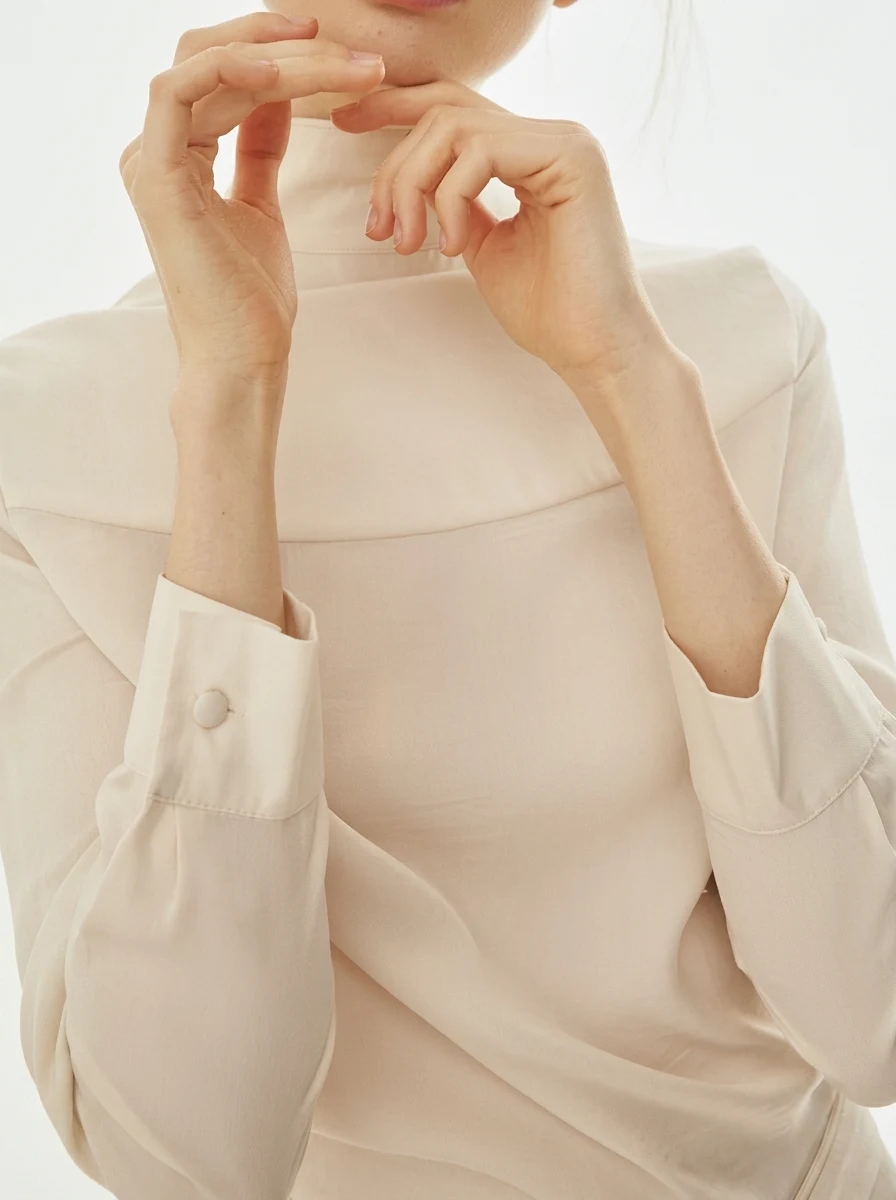
Plunging V-necks and sweetheart cuts create strong diagonal lines that draw the eye downward. Pairing a dark or neutral high-collar turtleneck under a deep V-neck creates an attractive inverted triangle effect. The dark base fills the open chest area while highlighting the structural cut of the dress. Stick with a full roll-neck collar that folds cleanly two to three inches up the throat.
Square and Scoop Necklines
Square and wide scoop necklines frame the collarbones horizontally. Adding a high folded turtleneck underneath can sometimes clash with the sharp right angles of a square neck. For square-neck summer dresses, opt for a mock-neck collar measuring 1.5 to 2 inches in height without a fold. The flat mock collar sits flush against the neck skin, preserving the architectural frame of the dress.
Spaghetti Strap Slips and Pinafores
Sleeveless pinafores and delicate slip dresses present an armhole clearance challenge. If the dress armhole sits high and tight under the armpit, a long-sleeve turtleneck will bunch up every time you raise your arms. Ensure your dress has at least 1.5 inches of drop clearance beneath the armpit to accommodate the extra sleeve seam smoothly.
At a Glance: Neckline Pairing Guide
- V-Neck Dress: Pair with a folded classic roll-neck to elongate the torso.
- Square Neck Dress: Pair with a 1.5-inch mock-neck collar to preserve clean geometric lines.
- Spaghetti Strap Slip: Pair with a tissue-weight second-skin turtleneck to eliminate armhole bulk.
3. Color Contrast and Pattern Rules
When combining a long-sleeve base layer with a summer dress, color placement determines whether the outfit looks cohesive or fragmented. A stark black turtleneck beneath a pastels-and-white floral sundress can feel heavy and disconnected. Achieving harmony requires intentional contrast management.
Monochromatic and Tonal Layering
Matching the turtleneck color to the primary background shade of the dress is the safest way to elongate your figure. For instance, pairing a cream tissue turtleneck under a beige or ecru linen slip dress creates a continuous vertical line. Tonal pairing reduces stark color breaks at the neck and wrists, letting the texture of the dress take center stage.
High-Contrast Neutral Anchoring
A black turtleneck acts as a strong visual anchor under rich autumnal floral prints, dark olive, navy, or rust-colored summer dresses. When using a black turtleneck as your base, ensure your footwear matches the black base to sandwich the color cleanly from top to bottom.
Print-Clashing Guidelines
If your summer dress features a bold geometric or floral print, keep the underlying turtleneck entirely solid. Avoid textured cable knits or patterned mesh tops underneath patterned dresses. For more on combining different fabric finishes effectively, consult our framework on How to Mix Textures in an Outfit: 4 Smart Pairing Rules.
4. Footwear and Outerwear Proportioning
Adding a high neck and full long sleeves to a lightweight dress moves the visual weight of the outfit upward. If you complete the look with delicate summer sandals or thin flat slides, the outfit will feel top-heavy and unbalanced. Grounding the lower half with appropriate footwear is essential.
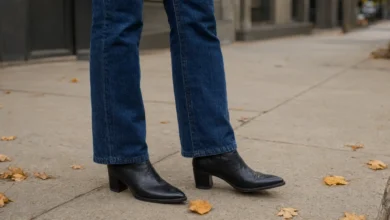
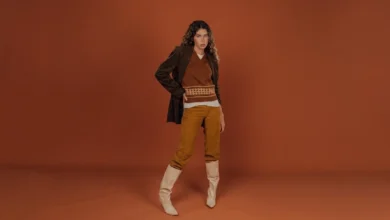
Transitioning light dresses into fall or winter weather requires shifting from open-toed shoes to closed, structured footwear. Leather ankle boots with a low block heel, lug-sole loafers paired with sheer tights, or tailored knee-high riding boots under midi skirts re-establish proportion.
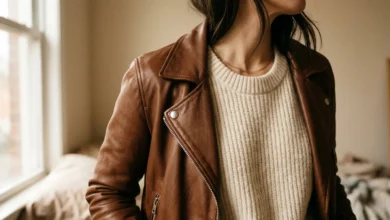
When selecting outerwear over a turtleneck-and-dress combination, length alignment matters. A cropped leather jacket ending right at the natural waist highlights your frame, while a long tailored wool coat extending past the dress hemline creates a sleek column effect. Avoid mid-thigh cardigans that cut the dress line in half.
For more strategies on shifting lightweight wardrobes between seasons, read our guide on How to Transition Summer to Fall: 4 Reliable Layering Rules.
Styling Solutions for Specific Reader Situations
If You’re Layering Under a Fitted Silk Slip: Choose a smooth, tissue-weight modal turtleneck with flat-locked seams and a raw-cut hem. Tuck the turtleneck into smooth high-waisted briefs before stepping into the slip dress to prevent waistband lines from showing through thin silk.
If You’re Styling a Loose Linen Sundress: A relaxed cotton-blend or micro-rib turtleneck works well here. Add a 1.5-inch leather waist belt over the sundress to define your waistline and prevent the loose dress from ballooning over the layered top.
If You Have Broad Shoulders or a Full Bust: Opt for a fine-gauge dark turtleneck in a V-neck or scoop-neck summer dress rather than a high crew-neck dress. The deep open neckline breaks up chest mass, while the dark turtleneck creates a slimming center column.
Frequently Asked Questions About Styling a Turtleneck Under a Summer Dress
Can you wear a turtleneck under a short summer mini dress?
Yes, styling a turtleneck under a mini dress creates a balanced, 1960s-inspired Mod aesthetic. Because mini dresses show more leg, pairing them with a high neck and long sleeves offers ideal visual balance. Pair the combination with opaque tights and flat knee-high boots or loafers to keep the outfit grounded.
What type of bra should you wear when layering a turtleneck under a slip dress?
Opt for a smooth, unlined micro-fiber T-shirt bra or a flat-seamed wireless bra. Avoid lace or heavily embroidered bras, as the double layer of a tight turtleneck and thin slip dress will highlight any textured seams underneath.
Is a mock neck or full turtleneck better for layering under dresses?
A full turtleneck works best for deep V-necks, wrap dresses, and heavy pinafores where the extra folded fabric adds cozy structure. A mock neck is superior under high square necklines, crew necks, or dresses with delicate shoulder straps where a thick folded collar would feel cluttered.
How do you stop a turtleneck from bunching up under a dress?
Choose a bodysuit style turtleneck instead of a traditional cut top. A turtleneck bodysuit stays snapped at the crotch, maintaining constant tension so the fabric cannot ride up or wrinkle around your waist inside the dress.
Closing
Styling a turtleneck under a summer dress is one of the most effective ways to extend your wardrobe across multiple seasons without buying entirely new outfits. Success comes down to mechanical fabric control: selecting a tissue-weight base layer between 120 and 150 GSM, matching neckline geometries, and anchoring top-heavy volume with structured boots or loafers. By prioritizing thin, high-stretch textiles like modal or fine merino wool, your favorite summer slip dresses and sundresses can remain key players in your style rotation year-round.
Sources
Official Sources
- Federal Trade Commission: Textile Products Identification Act (16 CFR Part 303), Access Date: August 2, 2026
Industry Sources
- Who What Wear: 7 Turtleneck-and-Dress Combos You Need to Try, Access Date: August 2, 2026
- Who What Wear: 12 Refreshingly Cool Ways to Wear Turtleneck Sweaters, Access Date: August 2, 2026
- Everlane: The Luxe Rib Turtleneck Technical Product Specifications, Access Date: August 2, 2026
- Rue Sophie: How to Style a Slip Dress for Any Occasion, Access Date: August 2, 2026
Research Sources
- Journal of Experimental Social Psychology: Enclothed Cognition Study (Adam & Galinsky 2012), Access Date: August 2, 2026