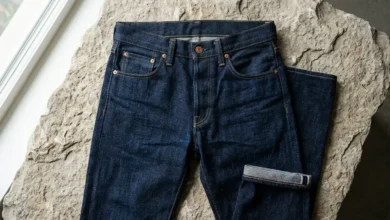
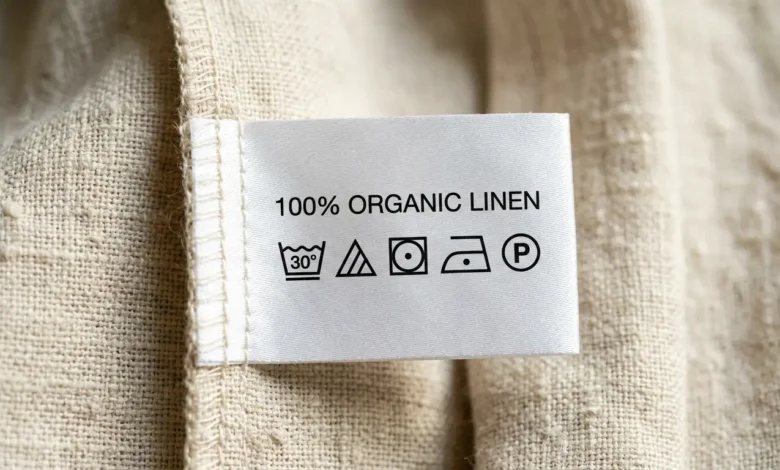
Price tags and store lighting tell you what a brand wants you to believe about a garment. The tiny white tag hidden inside the left side seam holds the actual truth.
Learning how to read clothing labels turns that tucked-away strip of fabric into your clearest inspection tool before heading to the register. It shows how a shirt will wash, whether a jacket will hold its shape, and if a sweater will pill after two weeks of normal wear.
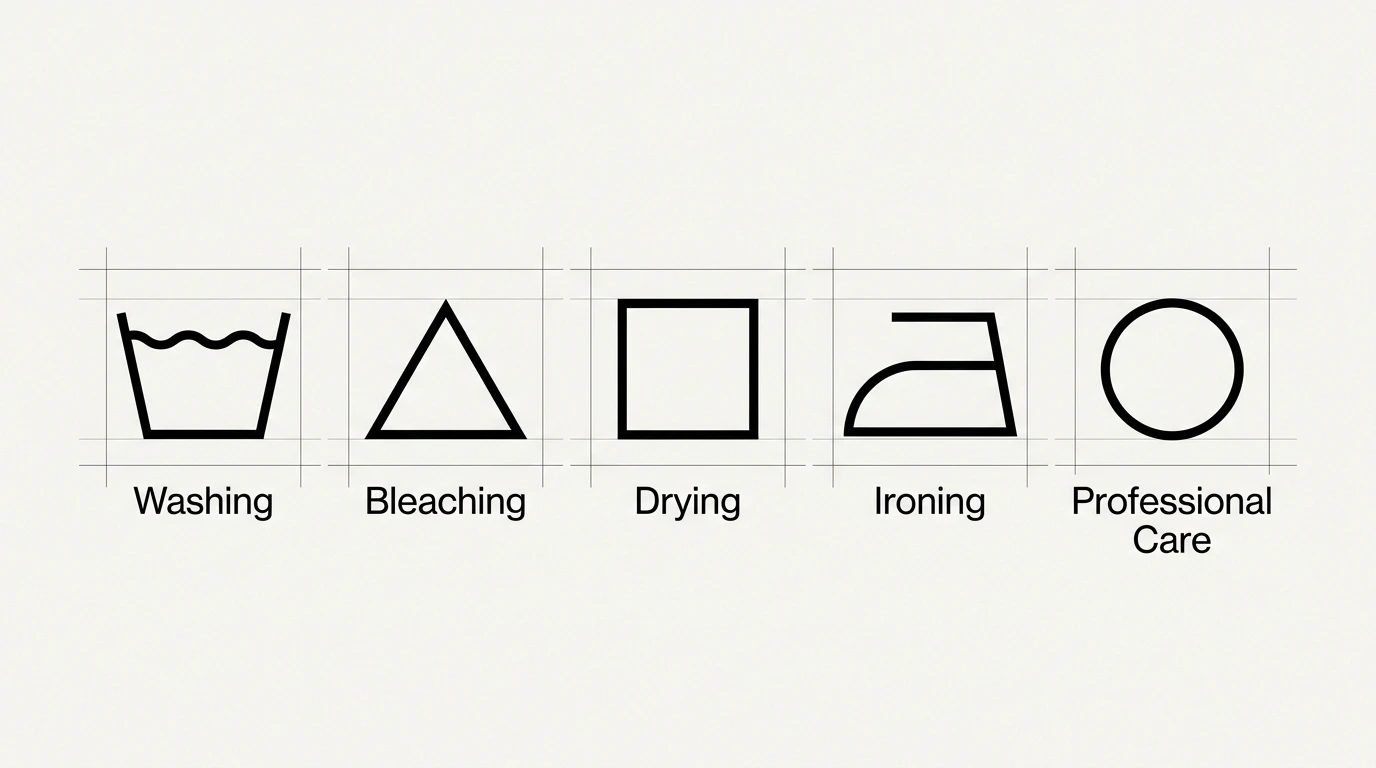
To read clothing labels, locate the side-seam tag inside the garment. Check the fiber percentages listed in order of weight, look up the 5-digit RN code on the FTC database to identify the manufacturer, and decode the five basic care symbols from left to right: washtub (washing), triangle (bleaching), square (drying), iron (ironing), and circle (dry cleaning).
The Anatomy of a Garment Label: What FTC Rules Require Brands to Disclose
A clothing tag is a legal document. In the United States, the Federal Trade Commission (FTC) enforces strict rules governing what manufacturers must tell you before you spend a dollar. Under the Textile Fiber Products Identification Act (16 CFR Part 303), every garment sold domestically must disclose three specific details: the generic names and weight percentages of all constituent fibers, the country of origin, and the identity of the manufacturer or importer.
While hangtags focus on brand imagery and marketing claims, side-seam tags focus on material facts. Knowing how to parse these disclosures helps you cut through retail naming gimmicks and evaluate a piece on its construction merits.
These long white tags can feel scratchy against unlined waists, prompting many buyers to cut them out immediately. Taking a quick smartphone photo of both sides of the label before snipping it off preserves your care data and fiber percentages permanently.
Decoding Fiber Content Percentages and the 5% Minor Fiber Rule
Federal law requires fiber contents to be listed in descending order of weight predominance. A shirt tag reading “60% Cotton, 40% Polyester” tells you that cotton makes up the majority of the fabric weight, giving it a softer handfeel while the polyester adds strength and wrinkle resistance.
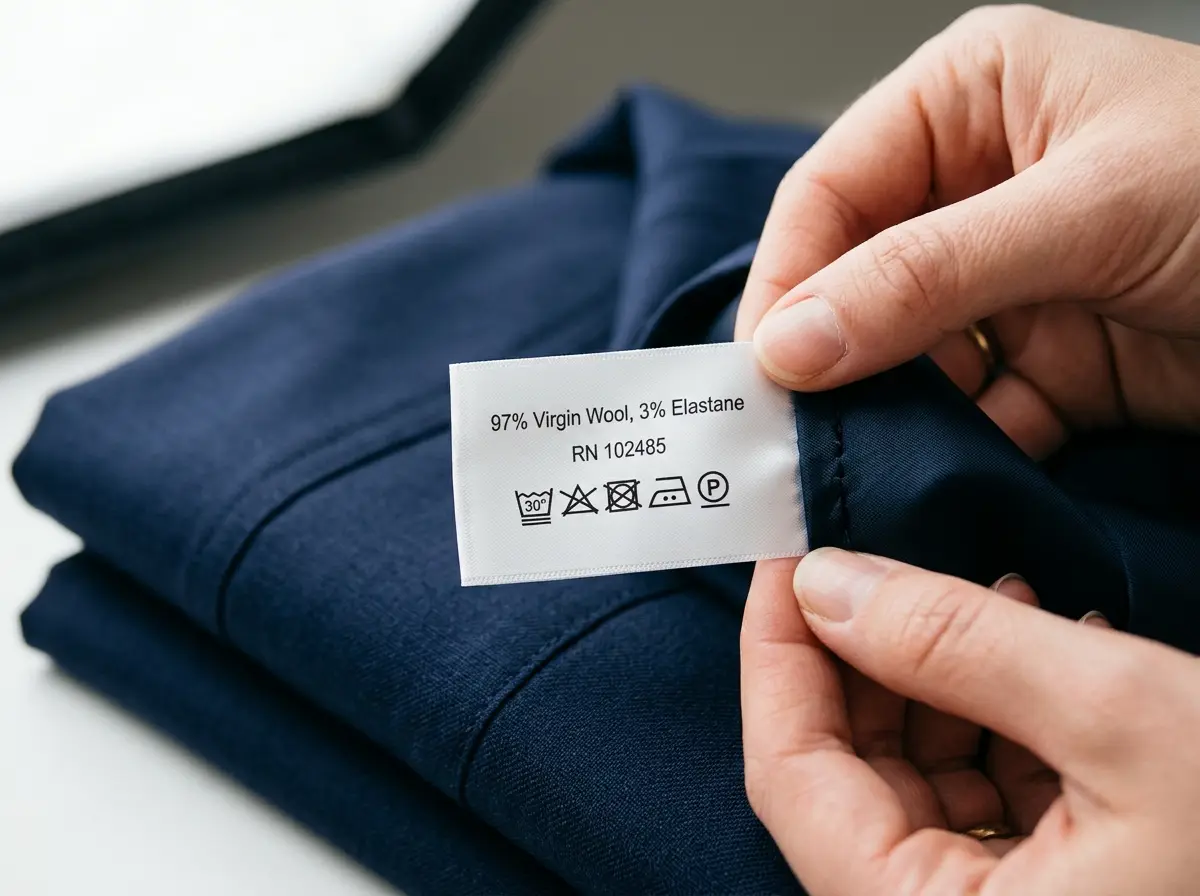
That 5% minor fiber allowance drops immediately if the fiber serves a distinct functional purpose. While non-functional fibers under 5% can be grouped as “Other Fiber,” elastane is different. If a pair of trousers contains 3% elastane (spandex) to provide waist stretch and seam recovery, the brand is legally required to disclose that 3% explicitly.
A Note on Trimmings: Labels often include the phrase “Exclusive of Decoration” or “Exclusive of Lining.” This means the disclosed percentages apply strictly to the primary shell fabric, excluding decorative embroidery, pocket bags, zippers, or elastic bands.
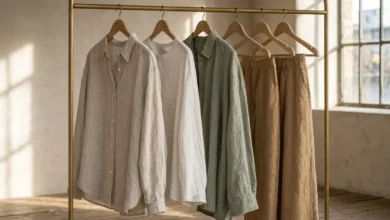
Understanding these ratios lets you predict how a piece behaves in daily wear. If you are shopping for lightweight summer pieces, checking for natural blends like a linen blend, linen mixed with another fiber like cotton or viscose for drape and reduced creasing, helps you balance cooling airflow with realistic ironing demands. For a detailed breakdown of thermal performance across different weaves, review our guide on the breathability and drape of specific textile fiber blends.
How to Use the FTC RN Number to Track Down Real Manufacturers
Near the bottom of most side-seam labels, you will find a 5- or 6-digit number preceded by the letters RN (Registered Identification Number). The FTC issues this code to US-based apparel businesses, allowing them to fulfill legal disclosure requirements without listing their full corporate name and mailing address on every garment.
This small number offers a practical advantage for shoppers. By entering an RN into the public FTC online database lookup tool, you can instantly reveal the legal corporate entity that manufactured or imported the piece.
This lookup trick helps you spot white-labeling across different price tiers. If an independent boutique sells a $120 sweater that carries the exact same RN number as a $45 sweater from a mid-market chain, both items originated from the identical importer or production facility.
How to Read Clothing Care Symbols: The 5 Basic Shapes Decoded
In addition to fiber disclosures, federal law under 16 CFR Part 423 (the Care Labeling Rule) mandates that garments carry permanent care instructions based on reasonable physical testing. Brands convey these instructions using a universal sequence of five basic shape categories:
| Base Symbol Shape | Care Category | Primary Modifier Icons | Critical Hazard Warning |
| Washtub | Washing | Water temperature dots (1 to 6 dots) | An X through tub means do not wash |
| Triangle | Bleaching | Diagonal interior lines (Non-chlorine) | A solid black or X triangle means no bleach |
| Square | Drying | Enclosed circle (Tumble dry) or interior lines | An X through square means do not dry |
| Iron | Ironing | Soleplate temperature dots (1 to 3 dots) | An X beneath iron means no steam |
| Circle | Professional Care | Interior letters (P, F, W) for solvents | An X through circle means do not dry clean |
These five symbols always appear in this exact order from left to right on standard labels. Modifiers like dots, lines, and strike-through crosses alter the base meaning to give precise instructions.
Washtub and Triangle Symbols: Washing Temperature, Cycles, and Bleach Rules
The washtub icon dictates water immersion rules. Under the American standard (ASTM D5489), water temperature thresholds are represented by dots placed inside the tub:
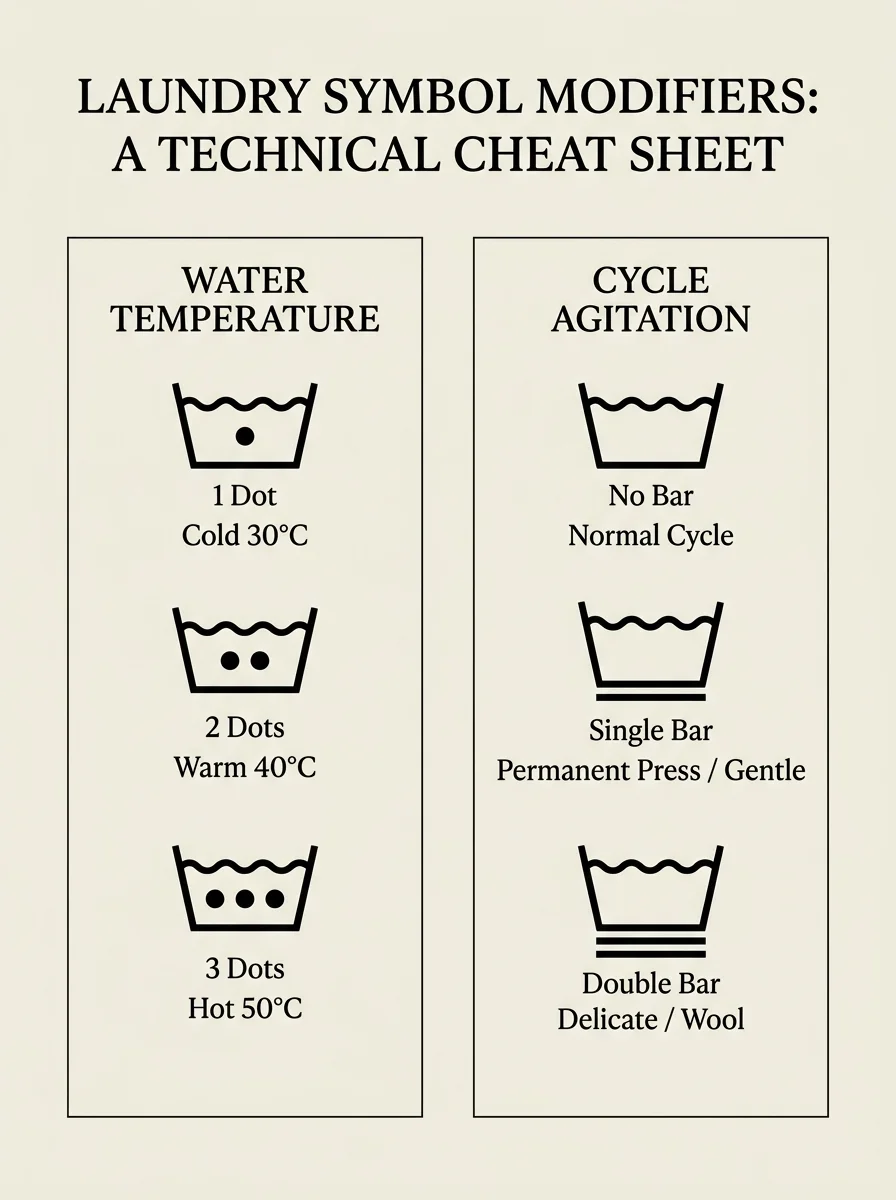
- 1 Dot: Cold wash (approx. 30°C / 85°F)
- 2 Dots: Warm wash (approx. 40°C / 105°F)
- 3 Dots: Hot wash (approx. 50°C / 120°F)
International labels following the ISO 3758 standard skip the dots and print the exact Celsius number (such as 30°C or 40°C) directly inside the tub outline instead.
Horizontal bars drawn beneath the washtub indicate the recommended agitation level. A washtub with no bar signifies a normal, high-spin cycle suitable for sturdy cottons. A single bar specifies a permanent press cycle with moderate agitation to minimize creasing. A double bar signals a delicate cycle designed for fragile weaves like crepe (a fabric with a crinkled, matte surface texture) or semi-synthetics like rayon, a breathable cellulose fiber with fluid drape that easily stretches when wet.
The triangle symbol governs bleaching rules. An empty triangle permits the safe use of any commercial bleach. A triangle filled with two diagonal parallel lines restricts you to non-chlorine, color-safe oxygen bleaches. A solid black triangle with an X prohibits bleaching entirely, warning that chemical oxidizers will break down the fabric dyes or yellow the fibers.
Square, Iron, and Circle Symbols: Drying Methods, Heat Thresholds, and Dry Cleaning
Drying instructions are represented by the square shape. A square with a circle inscribed inside it indicates machine tumble drying. Heat levels follow the familiar dot system: 1 dot for low heat, 2 dots for medium heat, and 3 dots for high heat.
When the square contains straight interior lines instead of a circle, the garment requires natural air drying:
- One Vertical Line: Line dry (hang on a line or hanger)
- One Horizontal Line: Flat dry (lay flat on a screen or towel to prevent stretching)
- Two Vertical Lines: Drip dry (hang wet without wringing)
- Diagonal Corner Slash: Dry in the shade away from direct sunlight
Ironing temperature limits are indicated by dots inside the iron soleplate icon. One dot limits ironing to low heat (110°C / 230°F), necessary for synthetic fibers like acrylic or delicate satin weaves (a weave producing a glossy front face and matte back). Two dots allow medium heat (150°C / 300°F) for wool and semi-synthetics like modal, a soft fiber derived from beech tree pulp. Three dots permit high heat (200°C / 390°F) for heavy cottons and pure linens.
The circle icon is reserved for professional chemical care. Letters inside the circle tell dry cleaning professionals which solvent systems to use (such as P for perchloroethylene). An X through the circle warns that dry cleaning solvents will dissolve the fabric’s structure, coating, or trim adhesives.
Machine Wash vs. Dry Clean Only: Comparing Maintenance and Fiber Blends
Does a “Dry Clean” label mean you can never wash a garment at home? Not always. Only when the garment’s internal structure relies on water-sensitive materials.
Under FTC guidelines, if a tag simply states “Dry Clean,” the manufacturer has verified that dry cleaning works, but gentle home washing may still be possible. When a label reads “Dry Clean Only,” the brand warns that water immersion will cause permanent physical damage, such as fabric shrinkage, color bleeding, or liner distortion.
| Care Label Phrase | Physical Reality of the Garment | Primary Fiber Candidates | Home Care Risk Assessment |
| Machine Washable | Tested to withstand water immersion and mechanical agitation. | Cotton, Polyester, Nylon, durable blends. | Low Risk: Follow water temperature dots and line modifiers. |
| Hand Wash Cold | Fiber loses structural strength when wet; mechanical agitation causes tearing or felting. | Silk, fine gauge Wool, Rayon, Modal. | Moderate Risk: Soak gently in cool water; never wring or twist. |
| Dry Clean | Manufacturer tested dry cleaning; home gentle washing may work if structure is simple. | Unlined Wool skirts, synthetic blends, structured cottons. | Moderate Risk: Mesh bag cold cycle might work, but risks minor shrinkage. |
| Dry Clean Only | Interfacings, fused linings, or volatile dyes degrade instantly in water. | Tailored blazers, lined coats, structured silk crepe, embellished items. | High Risk: Water immersion will warp interior canvas and ruin fit. |
Structured garments with internal fusing, shoulder pads, or delicate linings should strictly follow “Dry Clean Only” labels to protect their tailoring. Unstructured tops made of natural or semi-synthetic fibers can often be hand-washed at home despite a basic “Dry Clean” suggestion.
Quality Red Flags on Clothing Tags: Fiber Ratios That Signal Pilling and Shrinking
Small fuzzy balls building up along underarms and inner thighs ruin a garment long before the seams give out. That surface pilling is rarely an accident. The fiber breakdown listed on the tag reveals how a fabric will handle friction, tension, and laundering over time.
High Pilling Risk Matrix:
[80% Cotton / 20% Polyester Blend]
   ├─ Natural cotton fibers snap under wear friction
   └─ Ultra-strong polyester core anchors snapped fuzz to surface
   └─ Result: Unremovable surface fuzz pills after 2-3 washes
In an 80% cotton and 20% polyester knit (often referred to as Chief Value Cotton or CVC), the short cotton fibers naturally break under surface friction. Instead of shedding away clean, these broken cotton fuzz strands become anchored to the fabric by the high tensile strength of the polyester core. The result is stubborn surface pilling that normal lint razors struggle to clear.
| Fiber Blend Ratio | Fabric Behavior & Handfeel | Surface Pilling Risk | Structural Longevity Notes |
| 100% Long-Staple Cotton | Breathable, soft, absorbs moisture well. | Very Low | May shrink 3–5% in hot water, but pills rarely and cleans easily. |
| 80% Cotton / 20% Polyester | Soft initial feel, holds color, reduces initial creasing. | High | Strong polyester holds snapped cotton fuzz, causing persistent surface pills. |
| 70% Acrylic / 30% Wool | Warm, lightweight substitute for pure knitwear. | Very High | Weak acrylic fibers fray rapidly; high friction zones pill quickly. |
| 95% Cotton / 5% Elastane | Form-fitting stretch with good recovery. | Low | Ideal baseline balance; elastane maintains seam shape without pilling. |
| 100% Rayon / Viscose | Fluid drape, silky matte finish, lightweight. | Moderate | Low friction pilling, but prone to severe wet shrinkage if warm-washed. |
Another critical detail to monitor on tags is the exact elastane or spandex percentage. Adding 2% to 5% elastane to trousers cut in a straight fit (a cut with consistent width from waist to hem) or a relaxed fit provides comfortable movement while keeping knee bags and waistbands from sagging.
Exceeding 10% elastane in everyday trousers creates a hidden durability flaw. Elastane fibers suffer thermal degradation when exposed to high dryer heat or chlorine bleach. Over time, those tiny synthetic elastic threads snap, leaving behind faint white fuzz along seamlines and causing the fabric to lose its spring.
Catching these material flaws early is an essential part of a reliable pre-checkout garment evaluation process, protecting your budget from short-lived pieces.
Who This Label Inspection System Isn’t For
Analyzing fabric composition and care symbols is a reliable habit for everyday wardrobes, but it is less applicable to specialized technical gear.
If you are buying high-performance outerwear, weatherproof rain jackets, or technical athletic wear, natural fiber logic no longer applies. In these categories, 100% synthetic compositions, such as high-tenacity nylon 6,6 or fluoropolymer-laminated polyester, are deliberately engineered for water repellency, windproofing, and moisture management.
For these garments, synthetic tags signal functional utility rather than cheap manufacturing. Judge technical apparel by its seam sealing, DWR (Durable Water Repellent) coatings, and membrane performance ratings rather than searching for natural fiber content.
How to Inspect Garment Labels Before Checkout: Guidance by Scenario
Checking care tags takes less than ten seconds once you know what to look for. Use these practical checks based on what you are shopping for:
Scenario 1: Workwear Tailoring and Structured Outerwear
- Check the Lining Tag: Ensure tailored blazers or trousers carry a breathable lining blend (such as viscose, acetate, or cupro) rather than 100% unbreathable polyester.
- Verify Interfacing Care: Confirm if structured shoulders or fused lapels require “Dry Clean Only” to prevent bubble delamination along the chest canvas.
- Look for Recovery Blends: For tailored trousers, check for 2–3% elastane mixed with wool or cotton to preserve creasing through long workdays.
Scenario 2: Everyday Knitwear and Wardrobe Basics
- Avoid High Acrylic Ratios: Skip sweaters where acrylic makes up more than 30% of the fiber weight, as these fray and pill quickly under arm friction.
- Confirm Natural Fiber Dominance: For t-shirts and undershirts, target 100% combed cotton or modal blends for breathable, skin-friendly daily wear.
- Check Wash Instructions: Make sure daily basics allow cold machine washing and line drying so your care routine stays manageable.
Scenario 3: Vintage and Second-Hand Thrift Shopping
Taking time to evaluate construction details on tags is one of the most effective strategies when building a foundational wardrobe from scratch, ensuring every item you bring home lasts for years.
Frequently Asked Questions About Reading Clothing Labels
What do the dots mean when reading clothing care labels?
Dots inside care symbols indicate temperature thresholds. Inside a washtub icon, 1 dot means cold water (30°C/85°F), 2 dots mean warm water (40°C/105°F), and 3 dots mean hot water (50°C/120°F). Inside a tumble dry square, 1 dot means low heat, 2 dots mean medium heat, and 3 dots mean high heat. Inside an iron symbol, 1 dot caps heat at low (110°C), 2 dots at medium (150°C), and 3 dots at high (200°C).
How do I look up an RN number on a clothing tag?
Locate the 5- or 6-digit number listed after “RN” near the bottom of the side-seam label. Visit the official Federal Trade Commission (FTC) RN Database website and enter the number into the search field. The system will return the registered business name, corporate address, and legal importer details associated with that garment.
What is the difference between ASTM and ISO laundry symbols?
American care labels follow the ASTM D5489 standard, which uses dots inside the wash tub icon to indicate water temperature. International labels follow the ISO 3758 standard, which prints explicit Celsius temperature numbers (such as 30 or 40) directly inside the wash tub icon. Both standards use similar base shapes for washing, bleaching, drying, ironing, and professional care.
What does “Exclusive of Decoration” mean on a fabric content tag?
This phrase indicates that the listed fiber content percentages apply strictly to the primary shell fabric of the garment. It excludes minor decorative trim, embroidery, pocket linings, elastic bands, zippers, or decorative patches from the fiber weight calculation.
Learning how to read clothing labels turns a routine store tag into an objective report on fabric quality, care demands, and long-term durability. By checking fiber ratios, decoding care symbols, and flagging synthetic blend risks before heading to the register, you take full control over your closet investments and keep your wardrobe looking pristine for seasons to come.
Sources
Official Sources
- Federal Trade Commission | Textile Fiber Products Identification Act (16 CFR Part 303) | Access Date: July 23, 2026 | Source Tier: Tier 3
- Legal Information Institute / FTC | Care Labeling of Textile Wearing Apparel and Certain Piece Goods (16 CFR Part 423) | Access Date: July 23, 2026 | Source Tier: Tier 3
Research Sources
- PubMed Central / MDPI | Analysis of Fabric Pilling and Mechanical Fiber Abrasion Mechanics | Access Date: July 23, 2026 | Source Tier: Tier 4
Industry Sources
- TÜV SÜD Consumer Products | ASTM International Standard for Care Symbols on Textile Products | Access Date: July 23, 2026 | Source Tier: Tier 6
- Custom Woven Labels | The Complete Guide to Garment Care Symbols | Access Date: July 23, 2026 | Source Tier: Tier 6
- Speed Queen Laundromat Technical Portal | Understanding Laundry Care Label Symbols | Access Date: July 23, 2026 | Source Tier: Tier 6