
Standing in a classroom at 8:15 AM while high humidity settles over the school building is a familiar test for educators. Long corridors trap stagnant warm air, classroom windows often open only a few inches, and lesson plans require constant physical movement.
Writing on whiteboards, bending down to help students at low desks, and supervising outdoor recess demand clothing that moves effortlessly. At the same time, professional dress standards remain in place, requiring polished silhouettes that maintain coverage and structure throughout the day.
Managing heat and humidity in a school environment comes down to textile physics and silhouette engineering rather than sacrificing professionalism. Choosing natural woven fibers, managing fabric weight, and selecting loose cuts creates built-in ventilation without compromising modesty or authority. Building a functional warm-weather teaching wardrobe allows educators to stay cool and focused from the first morning bell to the final staff meeting.
For broader workplace styling principles, reviewing The Business Casual Dress Code, Practically Explained provides context on how professional standards shift across different workplace environments.
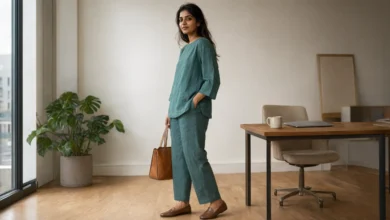
To stay professional and comfortable in warm, humid classrooms, follow a 4-step formula: 1. Choose unlined woven tops in 110 to 140 GSM cotton poplin or modal-linen blends rather than knit tees. 2. Wear wide-leg cropped trousers or A-line midi skirts that hold fabric away from the skin. 3. Select breathable footwear like cushioned leather mules or woven slingbacks instead of closed synthetic sneakers. 4. Layer with a sleeveless linen vest or lightweight knit cardigan for air-conditioned staff meetings.
Why Classroom Humidity Creates a Unique Workwear Challenge
Classroom environments present thermal challenges that standard office dress codes rarely account for. According to guidelines established by the Occupational Safety and Health Administration (OSHA), indoor workplace temperatures should ideally remain between 68 and 76 degrees Fahrenheit, with relative humidity maintained between 30 percent and 60 percent. However, national surveys conducted by the National Education Association (NEA) show that thousands of public school classrooms regularly exceed these limits during August, September, May, and June.
In several states, legislative measures such as New York’s maximum school temperature law now require action when indoor temperatures reach 82 degrees Fahrenheit, acknowledging that excessive heat directly impairs concentration and teaching performance.
High humidity compounds the problem by reducing the body’s natural evaporative cooling. When relative humidity rises above 60 percent, sweat remains on the skin rather than evaporating into the surrounding air. In a classroom, where a teacher may log 8,000 to 12,000 steps daily while moving between desks and whiteboards, heavy or clingy fabrics trap this moisture against the body. Tight synthetic knits, unvented polyester blouses, and heavy denim quickly become damp, leading to visible sweat marks, chafing, and general discomfort before noon.
Professional expectations for teachers add another layer of complexity. Outfits must offer reliable coverage when bending over, reaching upward, or sitting on floor mats during elementary circle time. Necklines must remain secure when leaning forward, armholes must fit neatly to prevent gaping, and skirts or trousers must allow a full range of movement. Achieving this balance requires selecting garments designed around ambient airflow rather than rigid tailoring.
Fabric Science for High-Humidity Classrooms: Weights and Weaves
Selecting the right fabric is the single most critical factor in surviving a sweltering school day. Fiber content determines how a textile absorbs or releases moisture, while fabric weight measured in grams per square meter (GSM) determines how heavily the material sits against the skin. Under the Federal Trade Commission (FTC) Textile Fiber Products Identification Act (16 CFR Part 303), garment care labels must list exact fiber percentages by weight, giving buyers a clear tool for evaluating performance before purchasing. For a comprehensive analysis of seasonal fabric performance, see 5 Best Fabrics for Hot Weather: Technical Summer Guide.
Cotton poplin in the 110 to 130 GSM range represents an exceptional choice for warm-weather teaching. Poplin uses a tight plain-weave construction that produces a crisp, lightweight fabric with structural integrity. Because poplin does not cling to the torso, it creates a small air gap between the garment and the skin, encouraging natural air movement. A short-sleeve cotton poplin shirt provides a sharp collar and professional structure while remaining noticeably cooler than a heavy knit polo or synthetic blouse.
Linen-cotton blends, ideally woven at 55 percent linen and 45 percent cotton in a 130 to 150 GSM weight, offer another highly functional option for pants and skirts. Pure linen provides unmatched breathability, but its propensity to deep creasing can look disheveled after two hours of sitting at a desk. Blending linen with long-staple cotton retains the open weave and rapid moisture dissipation of linen while adding the smooth recovery and soft hand-feel of cotton. For detailed advice on selecting trousers in these textiles, explore Women’s Work Pants for Summer: 4 Breathable Fabrics & Cuts.
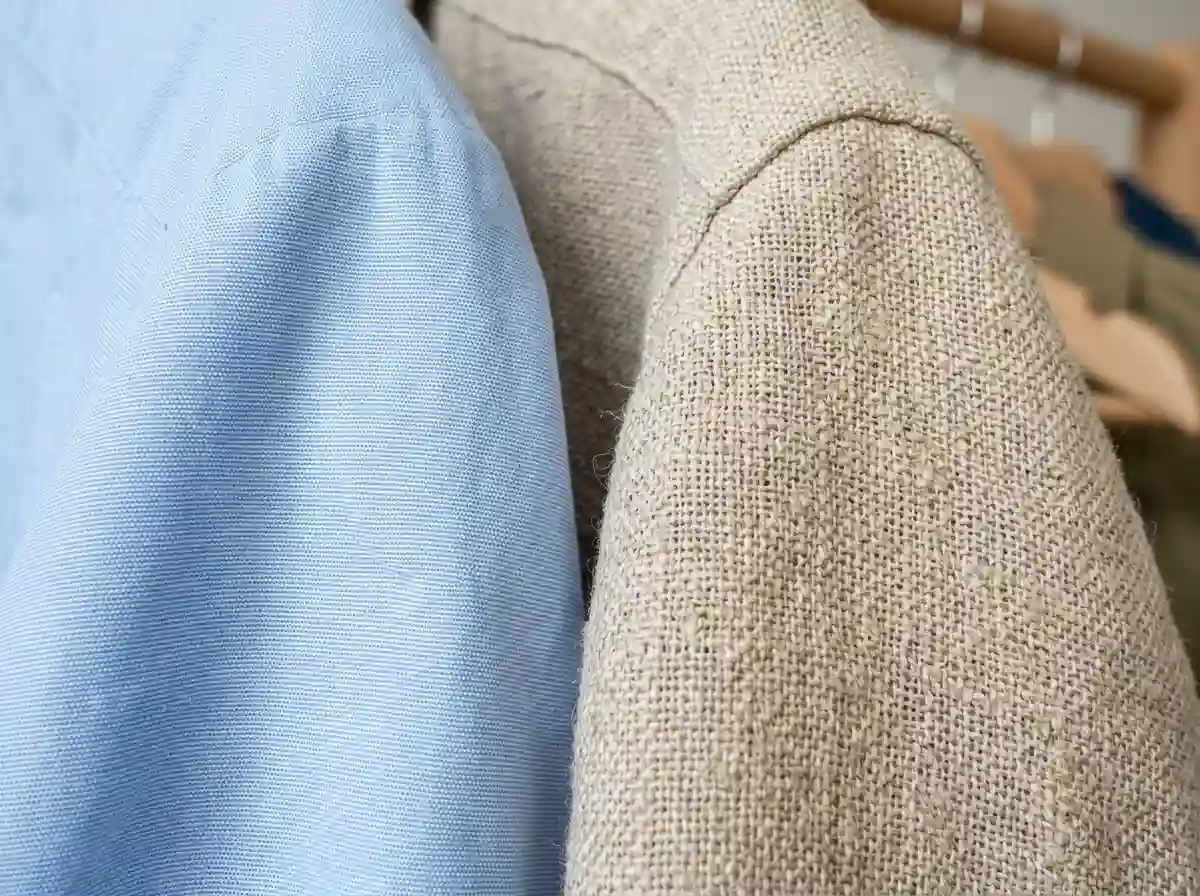
Woven modal and lyocell (often marketed under the brand name TENCEL) excel in fluid dresses and draped tops. Produced from regenerated cellulose fibers, modal absorbs up to 50 percent more moisture than pure cotton without feeling damp to the touch. When woven rather than knitted, modal drapes cleanly over the hips and waist, offering a cool-to-the-touch feel that remains comfortable through long afternoons in un-air-conditioned spaces.At a Glance: Fabric Performance in Humid Classrooms
- Cotton Poplin (110–130 GSM): Crisp plain weave, holds shape away from the torso, resists sweat show.
- Linen-Cotton Blend (55/45 Ratio): Maximum airflow, reduces harsh wrinkling compared to 100% linen.
- Woven Modal/Lyocell (120–140 GSM): Cool surface feel, high moisture absorption, fluid professional drape.
- Polyester/Nylon Blends: Traps heat and moisture, accelerates odor retention; avoid for humid workdays.
4 Practical Outfit Formulas for Hot, Humid School Days
A reliable outfit formula eliminates morning decision fatigue while ensuring every piece meets physical and professional requirements. These four combinations use breathable woven textiles, moderate silhouettes, and modest cuts tailored specifically for active educators.
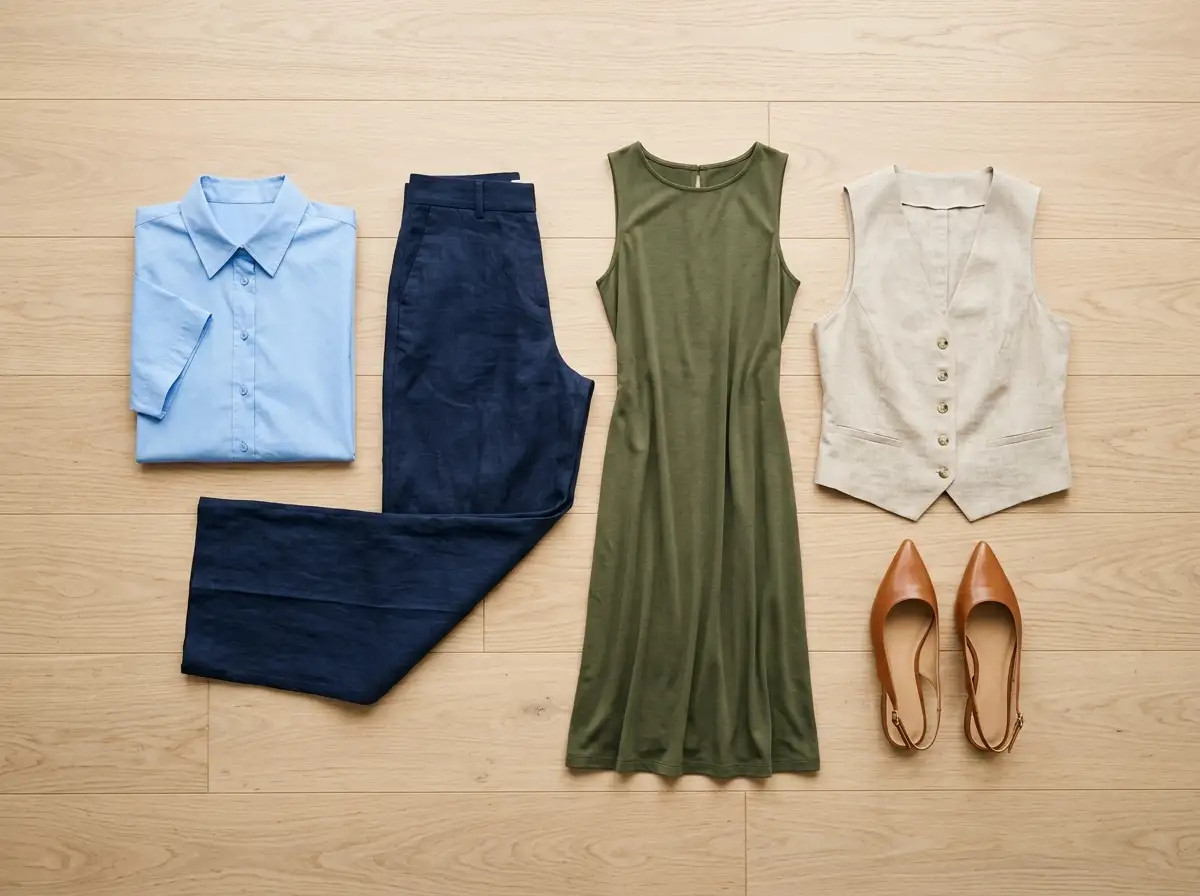
Formula 1: The Cotton Poplin Short-Sleeve Button-Down with Wide-Leg Linen-Blend Trousers
This combination serves as an anchor for warm-weather business casual teaching. A relaxed-fit cotton poplin shirt in crisp white, sky blue, or soft olive provides a structured collar that frames the face professionally during presentations. Look for drop-shoulder or raglan sleeve cuts, which prevent underarm tightness when writing high on a whiteboard.
Pair the top with high-waisted wide-leg trousers in a 140 GSM linen-cotton blend. The wide-leg silhouette acts like a natural chimney, pulling cooler air upward as you walk down hallways. An elasticated back waistband ensures comfort when sitting at low reading tables, while a flat front waistband keeps the waistline clean. Finish with supportive leather slingback flats or low block-heel mules.
Formula 2: The Woven Modal Tiered Midi Dress with a Structured Waistband
A midi-length dress in woven modal or viscose offers maximum ventilation with minimal effort. Tiered skirts create subtle structural movement that keeps fabric from resting against the thighs, reducing heat buildup. Choose a crew neck, boat neck, or modest V-neck silhouette with short sleeves that cover the shoulders comfortably.
To avoid a shapeless look, select a dress featuring a soft fabric belt, drawstring waist, or smocked back. A length falling mid-calf guarantees complete coverage when bending or sitting with students. Pair with cushioned leather slides or supportive ankle-strap flats.
Formula 3: The Sleeveless Linen Vest Layered Over a Modal Top with Ankle Trousers
For days requiring higher formality, a tailored sleeveless vest in medium-weight linen (160 to 180 GSM) replaces a heavy blazer. The vest adds sharp structure, clean lapels, and functional hip pockets while keeping the arms entirely bare for heat release. Buttoning the vest creates an instant polished line over a simple crewneck base layer.
Underneath, wear a tissue-weight modal or fine cotton crewneck top (100 to 120 GSM). Pair with slim-straight ankle trousers in a stretch-cotton twill or lightweight crepe. The cropped ankle hem exposes the lower leg for extra cooling without violating professional dress standards.
Formula 4: The Boat-Neck Cotton Top with a High-Waisted A-Line Linen Skirt
An A-line skirt offers superior air movement while maintaining an elegant, classic shape. A midi skirt in a 150 GSM linen blend with a button-front detail or deep utility pockets gives teachers practical storage for dry-erase markers, keys, and passcards.
Balance the volume of the skirt with a fitted boat-neck top in lightweight cotton ribbing or fine jersey. The wide neckline highlights the collarbones while keeping the chest fully covered, creating an elongated line. Tuck the top smoothly into the waistband to define proportions. Complete the outfit with low woven-leather loafers or closed-toe huarache sandals.
Classroom Outfit Component Comparison
| Outfit Component | Recommended Fabric & Weight | Silhouette Feature | Key Benefit for Teachers |
|---|---|---|---|
| Workwear Top | Cotton Poplin (110–130 GSM) | Relaxed Fit with Drop Shoulder | Prevents underarm binding during whiteboard writing |
| Summer Trousers | Linen-Cotton Blend (140–160 GSM) | Wide-Leg Cropped Cut | Promotes continuous air circulation around legs |
| Classroom Dress | Woven Modal or Lyocell (120–140 GSM) | A-Line Tiered Midi Silhouette | Eliminates waist restriction and body cling |
| Structure Layer | 100% Woven Linen (160–180 GSM) | Tailored Sleeveless Vest | Adds blazer-like polish without trapping sleeve heat |
What to Avoid: High-Humidity Workplace Failure Cases
Certain garments that look stylish in climate-controlled offices fail quickly under humid school conditions. Identifying these failure cases prevents costly wardrobe mistakes:
- 100% Synthetic Polyester Blouses: Polyester fibers are hydrophobic, meaning they reject water and force sweat to collect on skin surfaces. In a humid room, polyester creates a greenhouse effect around the torso, amplifying body heat and locking in odor.
- Heavy Denim and Tight Skinnies: Heavyweight denim (13 oz and above) lacks airflow. When combined with tight ankle hems, heat gets trapped around the knees and calves, making movement uncomfortable during active school activities.
- Floor-Sweeping Maxi Skirts: While maxi dresses appear breezy, hems that brush the floor present safety hazards on stairs, gather playground dust, and trip teachers carrying stacks of books or supplies.
- Unlined Synthetic Blazers: Traditional polyester-lined jackets retain heat at the upper back and underarms. Replacing them with unlined linen jackets or structured sleeveless vests preserves polish without excess insulation.
- Inflexible Flat Footwear: Thin canvas flats or unsupportive flip-flops lack arch support for standing on concrete subfloors, while rubber soles trap sole moisture. Choose breathable leather or woven flats with memory-foam footbeds.
Scenario Recommendations: Matching Outfits to Classroom Realities
Every school environment has different physical demands and climate conditions. Tailoring clothing choices to specific daily schedules ensures long-lasting comfort.
If You Teach Elementary Grades or Move Constantly
Elementary educators spend significant time kneeling, sitting on activity rugs, and moving quickly between stations. Choose wide-leg cropped trousers in a cotton-linen blend with a fully elasticated or drawstring waistband. Pair with a crewneck cotton poplin top that stays tucked in during bending, or select a longline tunic top. Opt for closed-toe leather sneakers or cushioned huarache sandals that protect toes during active classroom sessions.
If Your School Lacks Air Conditioning or Has Weak Ventilation
When classroom temperatures mirror outdoor weather, prioritize single-layer garments in the lightest possible woven fabrics. A short-sleeve midi dress in 120 GSM woven modal or a loose linen-cotton jumpsuit eliminates layered waistbands entirely. Keep colors medium-toned (such as olive, navy, terracotta, or subtle micro-stripes) to disguise sweat shadows better than flat light gray or pastel pink.
If You Transition Between Outdoor Duty and Chilled Administrative Offices
Navigating 90-degree playground supervision followed by 68-degree air-conditioned staff meetings requires smart modular layering. Wear a sleeveless modal base top tucked into a linen-blend skirt as your core outfit. Keep an open-knit 100 percent cotton cardigan or a unlined linen shirt jacket on your classroom coat hook, allowing you to slip structure on or off within seconds as environments change.
Frequently Asked Questions About Teacher Outfits for Humid Weather
How can teachers look professional in warm weather without wearing heavy layers?
Teachers can maintain structure by choosing lightweight woven fabrics with crisp tailoring rather than relying on heavy blazers. A short-sleeve shirt in cotton poplin, a sleeveless linen vest, or an A-line midi dress provides clean lines and professional coverage while remaining breathable in high humidity.
Are sandals acceptable for teachers in hot weather?
Sandals are acceptable in many school districts provided they meet safety and dress code guidelines. Look for professional styles with secure heel straps, closed or peep toes, and cushioned insoles. Avoid athletic flip-flops or casual rubber slides, which lack support and violate professional standards in most schools.
What is the best fabric blend to prevent sweat stains during long school days?
A 55 percent linen and 45 percent cotton blend is ideal for hot school days. Linen provides rapid moisture evaporation and maximum airflow, while cotton adds softness and reduces extreme creasing. Medium dark shades, heathered textures, and small prints also help conceal moisture far better than solid pastels or light gray.
How do you prevent linen pants from looking wrinkled by lunchtime?
Selecting a linen-cotton or linen-viscose blend rather than 100 percent pure linen significantly reduces harsh creasing. Additionally, choosing wide-leg or relaxed cuts allows the fabric to hang naturally, minimizing deep lap wrinkles caused by sitting for extended periods.
Last Words
Dressing professionally for a teaching career in warm, humid weather does not require choosing between discomfort and sloppy attire. By prioritizing lightweight woven textiles like cotton poplin, linen blends, and modal, educators can build a functional summer wardrobe that respects both body temperature and professional dress codes. Thoughtfully chosen formulas keep teachers cool, confident, and focused on what matters most: supporting their students through every engaging lesson of the school day.
Sources
Official Sources
- Federal Trade Commission (FTC): Rules and Regulations Under the Textile Fiber Products Identification Act (16 CFR Part 303), Access Date: August 3, 2026.
- Occupational Safety and Health Administration (OSHA): Office Temperature and Humidity Guidelines (Standard Interpretations), Access Date: August 3, 2026.
Research & Technical Standards
- American Society of Heating, Refrigerating and Air-Conditioning Engineers (ASHRAE): ANSI/ASHRAE Standard 55: Thermal Environmental Conditions for Human Occupancy, Access Date: August 3, 2026.
Industry & Professional Guidelines
- National Education Association (NEA): As Classroom Temperatures Rise, Educators Organize to Protect Students and Staff, Access Date: August 3, 2026.