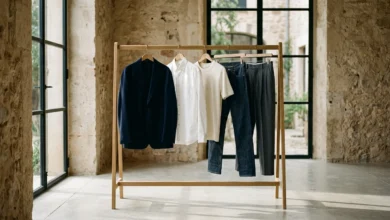

Transitional Fall Wardrobe Essentials for Warm Weather
Standing in a closet during September when the thermometer reads 85°F presents a distinct sartorial challenge. Traditional autumn fashion editorial insists on heavy cable-knits, wool coats, and stiff leather jackets, yet wearing those pieces in early autumn heat leads directly to physical discomfort.
According to temperature statistics from the National Oceanic and Atmospheric Administration (NOAA), early autumn temperatures across major Southern and Sunbelt metro areas routinely remain above 78°F well into October. Building a functional set of transitional fall wardrobe essentials for warm weather requires shifting focus away from heavy insulating layers and toward fiber weave, garment architecture, and rich autumnal color palettes.
Rather than battling the heat in heavy textiles or resigning yourself to summer sundresses in late September, the key lies in selecting breathable natural fibers in deep, grounded tones. By pairing airy woven fabrics with structured silhouettes, you project an intentional autumn aesthetic while staying physically cool throughout the afternoon heat.
Quick Answer: The 4 Rules for Warm-Weather Fall Transition
- Swap Fiber Weight, Not Coverage: Replace summer linens with high-twist 120 to 140 GSM cotton poplin or 17.5-micron tissue-weight merino wool that breathes while offering rich, opaque visual depth.
- Anchor Outfits with Deep Tonal Palette: Transition your color story from pale pastels to espresso, bitter chocolate, deep olive, cognac, and burnt terracotta without adding heavy fabric bulk.
- Utilize Unlined, Deconstructed Tailoring: Opt for unlined tropical wool, tencel, or rayon-blend blazers that hold a clean shoulder line without trapping body heat.
- Ground Looks with Closed-Toe Footwear: Switch from summer sandals to woven leather mules, breathable loafers, or unlined suede flats to anchor the lower half of your silhouette.
1. The Science of Warm-Weather Autumn Textiles
The primary mistake made during early autumn is choosing garments based solely on visual texture without inspecting fabric weight. Fiber density, measured in grams per square meter (GSM), determines how efficiently air moves through a garment. Wearing a 320 GSM heavy cotton sweater when the ambient air temperature exceeds 75°F traps a layer of warm air against the skin, resulting in overheating.
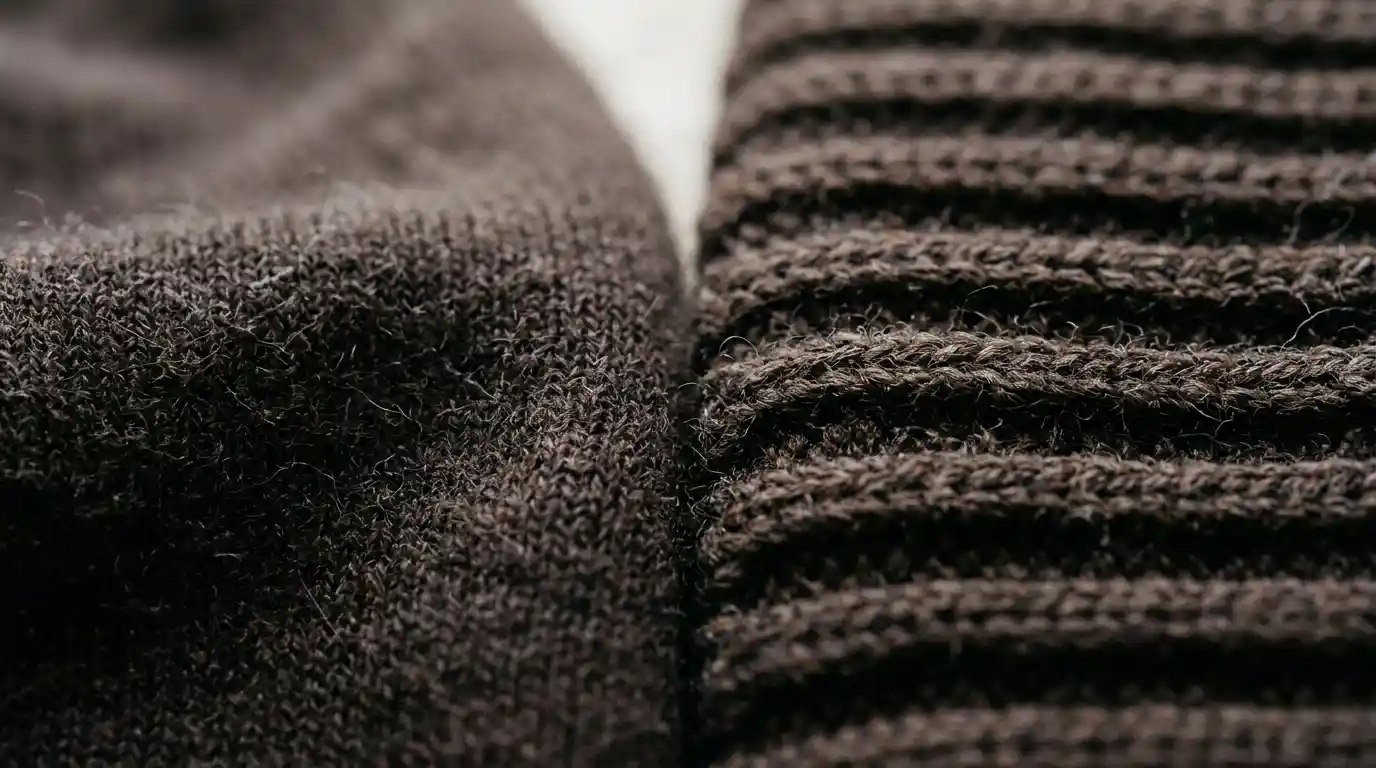
To achieve an autumnal look without thermal discomfort, look for lightweight wovens and tissue-weight knits that fall between 120 GSM and 180 GSM. High-twist cotton poplin, for instance, maintains a crisp, tailored structure that signals autumn dressing while remaining entirely porous to breezes. Similarly, 17.5-micron extra-fine merino wool knits at 150 GSM act as natural thermoregulators, absorbing moisture vapor before it turns into liquid sweat while insulating lightly against air-conditioned indoor spaces.
If you are exploring foundational textile selections, reviewing our guide on breathable fabrics for hot weather offers technical details on yarn counts and weave structures that keep body temperatures stable.
2. Essential Top Layers: The Tissue Knit and Crisp Poplin
When heavy outerwear is impossible due to 80°F temperatures, your tops must perform double duty: they need to look structured enough to convey fall tailoring while staying completely breathable. Two specific garment categories handle this transition cleanly:
The Tissue-Weight Merino Long-Sleeve
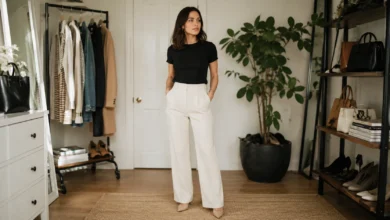
A 140 to 160 GSM extra-fine merino crewneck or boat-neck top is arguably the most versatile piece in a warm-weather fall closet. Unlike synthetic polyester or acrylic knits that trap humidity, merino wool fibers absorb up to 35 percent of their dry weight in moisture without feeling damp. In rich shades of espresso or forest green, a tissue knit pairs effortlessly with wide-leg trousers or midi skirts.
The Oversized Cotton Poplin Shirt
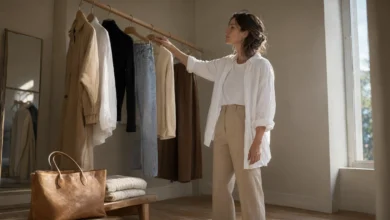
A high-twist cotton poplin shirt in crisp white, deep chocolate, or dark olive provides the tailored line of professional fall dressing. Worn with the sleeves rolled to the elbows and left unbuttoned over a light ribbed tank, it functions as a weightless outerwear substitute. For structured styling rules on proportion and fit, explore our framework for building a streamlined capsule wardrobe.
At a Glance: Tissue Merino vs. Heavy Cotton Sweater
- Tissue Merino Knit (150 GSM): Highly breathable, natural moisture-wicking properties, regulates temperature between 65°F AC and 82°F outdoors.
- Heavy Cotton Sweater (320 GSM): Dense thermal insulation, holds ambient heat, causes noticeable perspiration in temperatures above 72°F.
3. Bottoms Architecture: Mid-Weight Trousers and Opaque Denim
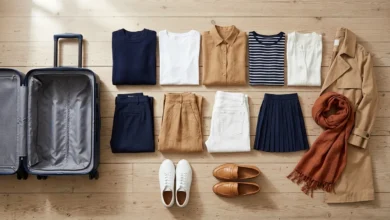
Transitioning your bottom half away from summer shorts and breezy linen pants does not require jumping straight into heavy corduroy or wool flannel. The goal is to select full-length trousers crafted from mid-weight, high-drape fabrics that allow air to circulate around the legs.
Wide-leg trousers in tencel, viscose-linen blends, or tropical wool (200 to 240 GSM) provide the sweeping, elegant drape associated with fall tailoring. Because the silhouette sits away from the skin, air flows freely with every step, preventing the fabric from clinging in afternoon humidity. When selecting denim, choose 11 oz to 13 oz 100 percent cotton straight-leg denim in dark indigo or washed black rather than heavy 15 oz rigid selvedge denim.
Readers managing professional dress codes in warm climates can reference our specialized guide on styling for warm humid conditions for pant silhouette selections that balance modesty with ventilation.
4. Deconstructed Tailoring: Unlined Blazers and Vests
A classic fall blazer completes an outfit, but full synthetic linings act like windbreakers, locking in body heat. To wear blazers in 80°F weather, seek out completely unlined or half-lined options made from linen-cotton blends, tropical wool, or crepe wovens.
An alternative layer gaining traction for warm-weather autumn dressing is the tailored vest or waistcoat. Worn buttoned up as a standalone top with wide-leg trousers, a tailored vest delivers the polished structure of a suit jacket while leaving the arms entirely bare for thermal regulation.
For additional strategies on layering light pieces without overheating, consult our guide on 4 reliable summer-to-fall layering rules.
Technical Comparison: Warm-Weather Fall Essentials
| Garment Category | Recommended Fabric & Weight | Key Structural Feature | Temperature Range | Price Benchmark |
|---|---|---|---|---|
| Tissue Knit Top | 100% Merino Wool (140-160 GSM) | Fine gauge, self-binding neck | 65°F to 82°F | $78 to $128 |
| Transitional Button-Down | High-twist Cotton Poplin (120-140 GSM) | Drop shoulder, relaxed cut | 70°F to 88°F | $68 to $118 |
| Unlined Blazer | Tropical Wool or Linen-Cotton (210-250 GSM) | Zero shoulder padding, bound seams | 68°F to 80°F | $148 to $248 |
| Wide-Leg Trouser | Tencel-Cotton Twill (200-240 GSM) | High-rise, deep front pleats | 68°F to 85°F | $98 to $168 |
| Tailored Waistcoat | Mid-weight Crepe or Linen Blend (220 GSM) | Adjustable back buckle, V-neck | 72°F to 88°F | $88 to $148 |
5. Footwear and Accessories: Visual Weight Without Heat
Footwear plays a crucial psychological role in autumn styling. Strappy summer sandals paired with a dark poplin shirt create a visual disconnect. Replacing open sandals with closed-toe footwear instantly grounds an outfit in the current season.
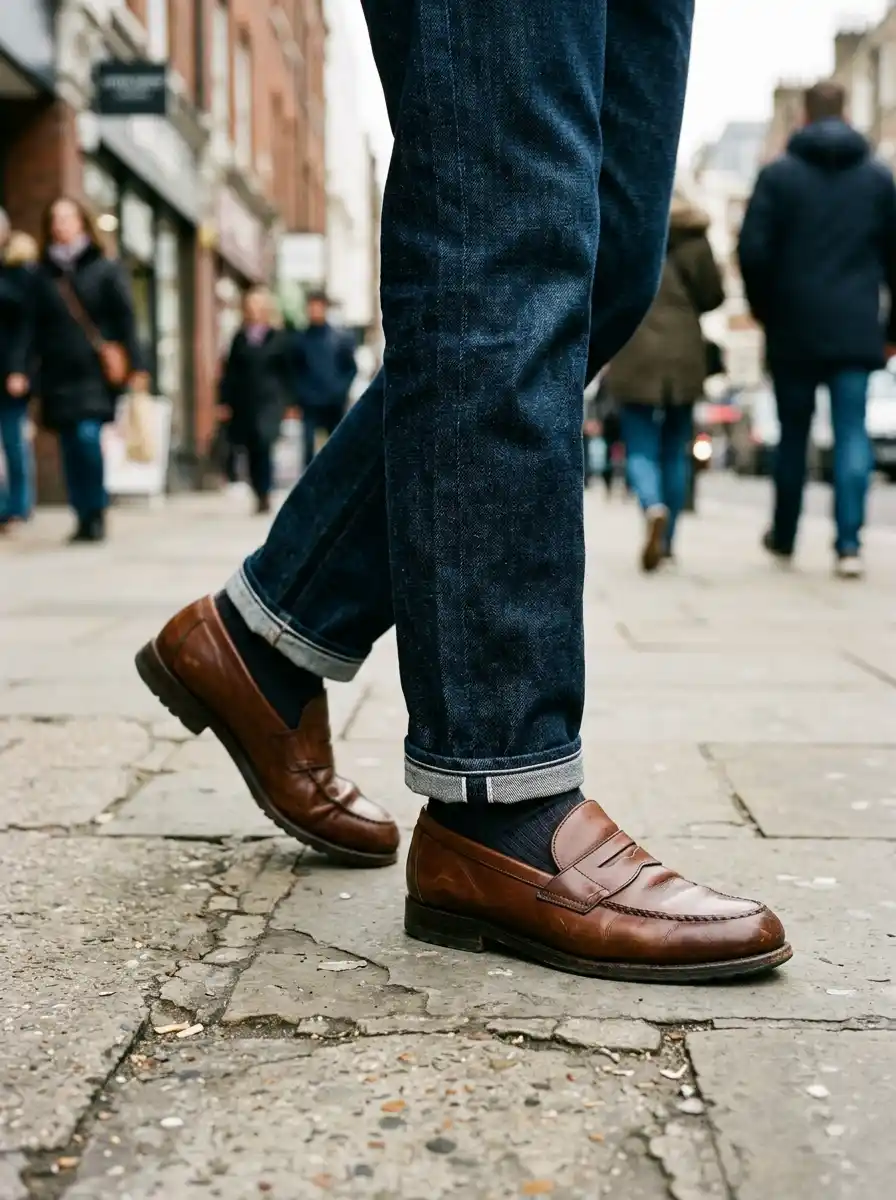
Opt for leather loafers, woven leather mules, or pointed-toe flats in rich cognac, oxblood, or black. These styles provide the visual substance of autumn footwear without encasing the ankles in heavy, hot leather boots. If you prefer ankle boots, choose unlined suede options with wide shaft openings to allow airflow around the lower leg.
When planning specialized seasonal excursions such as outdoor vineyard visits or weekend trips, check our practical guide to easy vineyard style formulas for field-tested footwear choices.
Who This System Isn’t For
While lightweight wovens and deep color palettes solve the problem of warm early autumns for most people, this approach may not suit every environment or lifestyle:
- Severe Alpine Climates: If September in your region brings immediate freezing temperatures, precipitation, or snowfall, lightweight poplin and tissue merino will not provide adequate insulation.
- Strictly Formal Corporate Environments: Environments requiring traditional wool suiting and fully lined blazers year-round cannot substitute unlined waistcoats or relaxed cotton poplin button-downs during office hours.
- Budget-Constrained Wardrobe Overhauls: If purchasing new lightweight natural-fiber garments is not feasible, work with your existing summer clothing by introducing dark-colored accessories like belts, structured leather bags, and dark neck scarves to shift the color palette naturally.
Scenario-Based Recommendations
Addressing real-life daily environments requires specific tactical adjustments to ensure comfort and style stay aligned throughout the day:
If Your Office Cracks the AC While It’s 85°F Outside
Keep a structured, unlined tropical wool blazer or a heavy cotton cardigan hanging on your office chair. Wear a sleeveless high-neck rib tank under wide-leg tencel trousers during your warm outdoor commute, then slide into the blazer once inside the air-conditioned building.
If You Commute via Public Transit in Afternoon Heat
Select a 130 GSM cotton-poplin oversized shirt paired with straight-leg cotton denim. Roll the shirt sleeves to your forearms and unbutton the top two buttons during the walk to the station to facilitate airflow, re-buttoning or tucking the hem upon arrival at your destination.
If You Suffer Early-Autumn Humidity
Avoid tight-fitting garments entirely. Choose a fluid midi dress in 140 GSM rayon-viscose or a cotton-linen blend in dark olive or rich rust. Pair it with breathable leather loafers and gold jewelry to maintain an autumnal tone without fabric sticking to your skin.
Frequently Asked Questions About Transitional Fall Wardrobe Essentials for Warm Weather
Can I wear linen in September and October?
Yes, provided you choose linen in dark, muted autumn shades like chocolate brown, forest green, navy, or terracotta rather than pastel or white. Dark linen blends retain their breathable properties while visually matching the autumn season.
How do I make summer clothes look like fall without overheating?
Shift your color palette and accessories first. Pair a simple black or tan summer tank top with dark denim, a brown leather belt, and closed-toe loafers. The closed footwear and deep colors instantly read as fall while keeping your top half cool.
Are leather jackets practical for warm fall weather?
Real leather and heavy faux leather trap body heat quickly, making them impractical in temperatures above 70°F. If you love the leather look, opt for an unlined suede shirt-jacket or incorporate leather through accessories like structured handbags, belts, and loafers instead.
What is the best fabric for warm fall days?
High-twist 120 to 140 GSM cotton poplin, 150 GSM tissue-weight merino wool, tencel twill, and viscose-linen blends are the top performers. They offer the tailored drape and rich appearance of autumn clothing while maintaining air permeability.
Closing
Mastering transitional fall wardrobe essentials for warm weather comes down to separating visual style from physical weight. By selecting high-quality natural fabrics in lower GSM weights, leaning into deep autumnal colorways, and grounding your looks with structured closed-toe shoes, you can navigate warm September and October days with complete sartorial ease.
Review your current wardrobe for lightweight wovens in dark shades before buying new items, and focus on versatile foundation pieces that deliver breathability and crisp autumn tailoring in equal measure.
SOURCES
Official Sources
- National Oceanic and Atmospheric Administration (NOAA) National Centers for Environmental Information: U.S. Climate Normals & Temperature Summaries, Access Date: August 5, 2026.
- Federal Trade Commission (FTC): 16 CFR Part 303 – Rules and Regulations Under the Textile Fiber Products Identification Act, Access Date: August 5, 2026.
Industry & Trade Sources
- Mood Fabrics Trade Index: Top Fall Fabrics & Technical Textile Specifications, Access Date: August 5, 2026.
- Selvane Technical Wool Journal: A Wool Wardrobe for Four Seasons: Weight Rotation and Layering, Access Date: August 5, 2026.
Research Sources
- Climate Central Research Group: 2025 Fall Climate Package & Autumn Warming Trends, Access Date: August 5, 2026.
Additional Reading
- Covet Style Technical Journal: Styling Natural Fabrics: Cotton, Linen & Wool Outfit Ideas for Transitional Weather, Access Date: August 5, 2026.
- Un-Fancy Style Archives: Two-Piece Outfit Formulas for Transitional Weather, Access Date: August 5, 2026.